What Is The Difference Between Pir And pu Sandwich Panel
What Is the Difference Between PIR and PU Sandwich Panel?
Insulated sandwich panels have become a cornerstone of modern industrial and commercial construction. Whether for cold storage facilities, warehouses, factory buildings, or logistics centers, these panels deliver thermal insulation, structural strength, and rapid installation in a single product. Among the various core materials available, PU (Polyurethane) and PIR (Polyisocyanurate) are the two most widely specified options — and the question of which one to choose comes up in nearly every project.
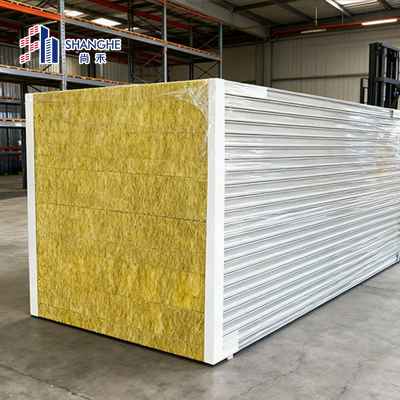
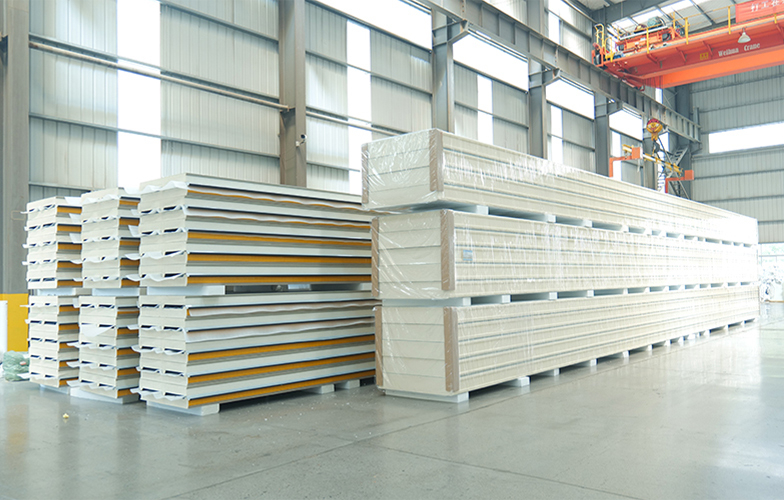
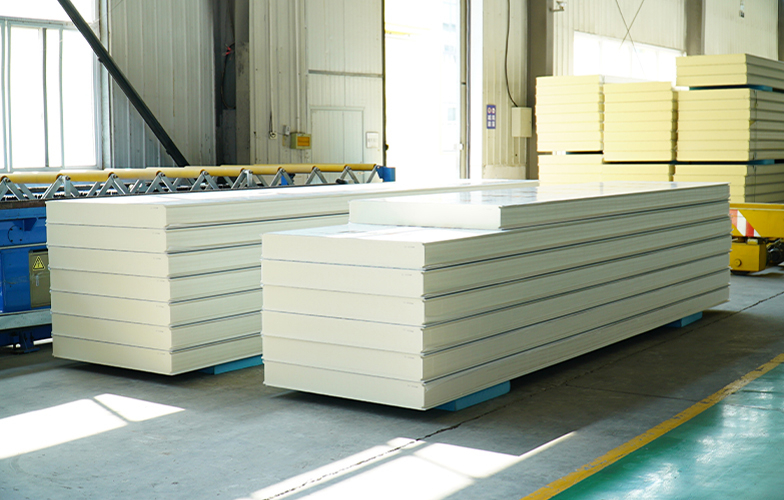
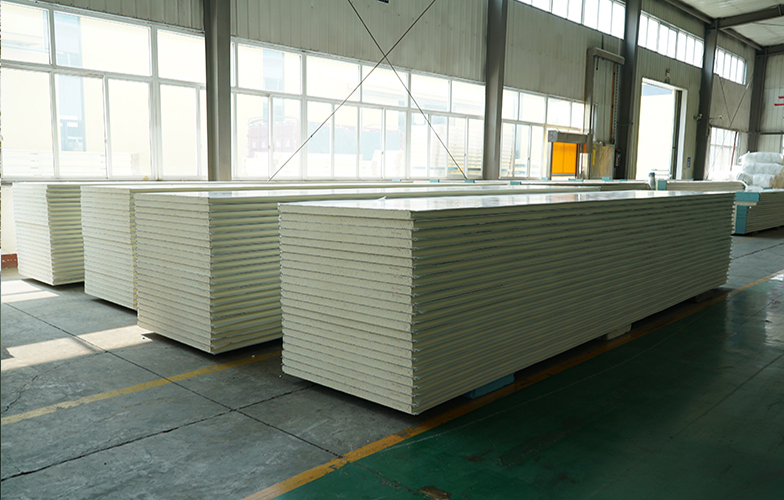
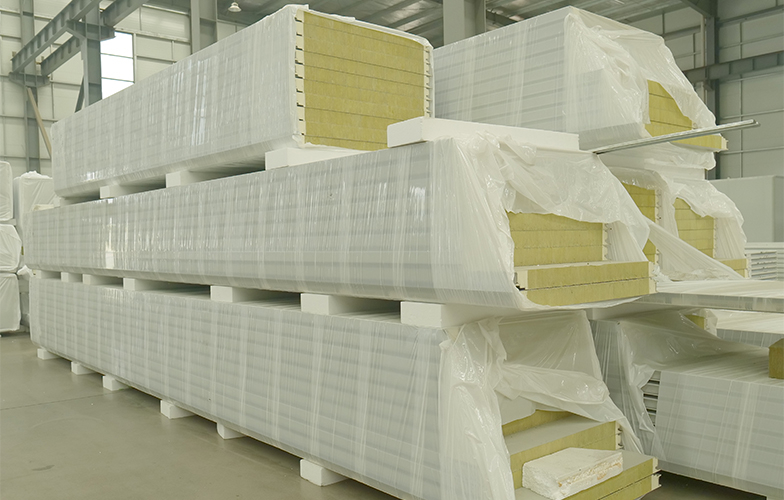
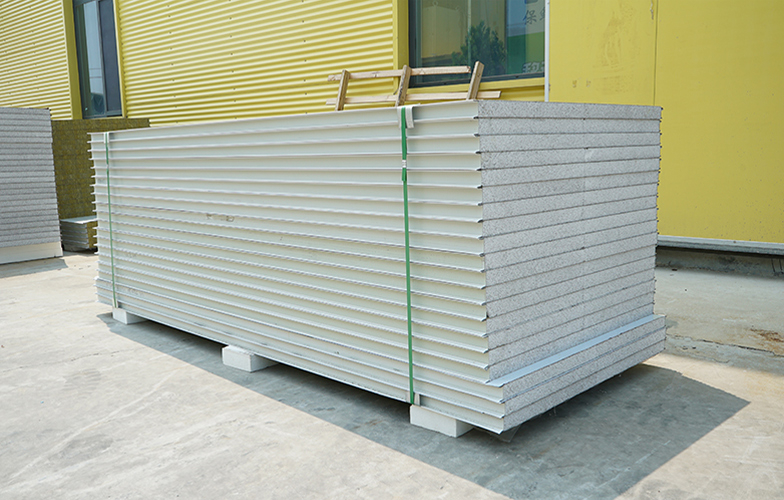
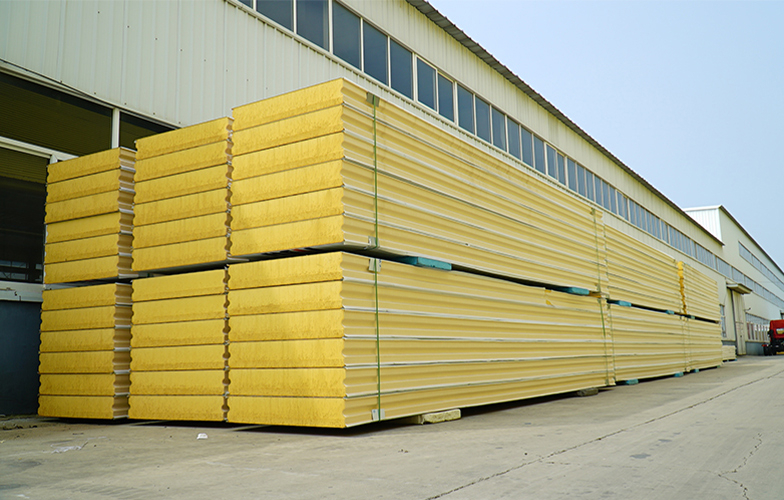
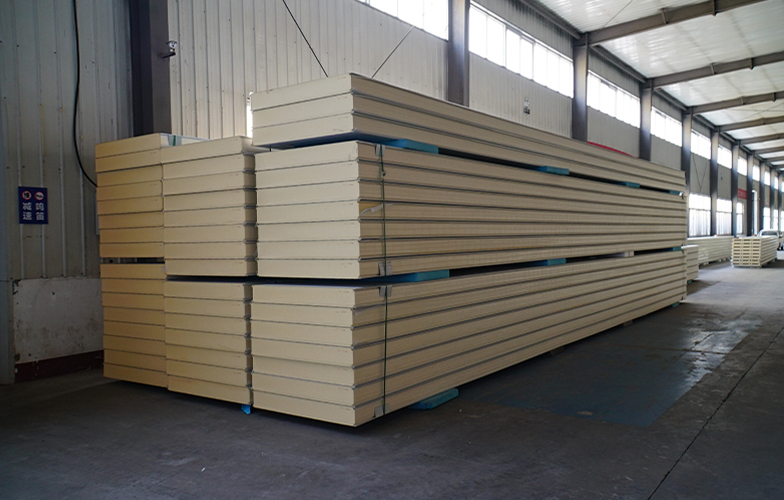
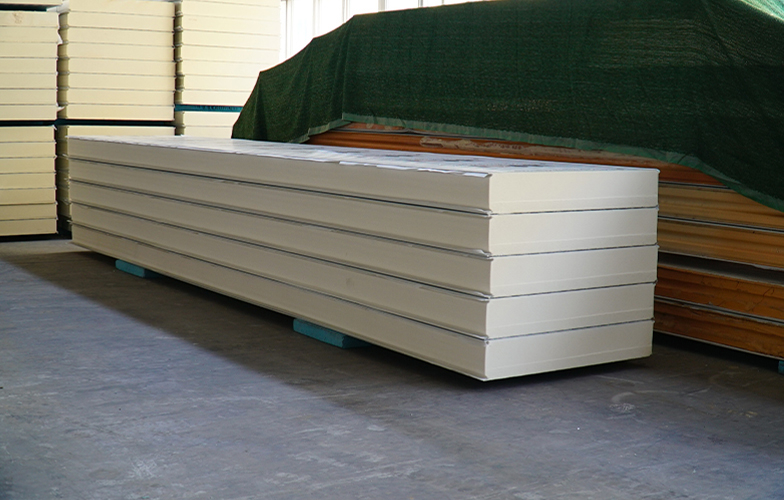
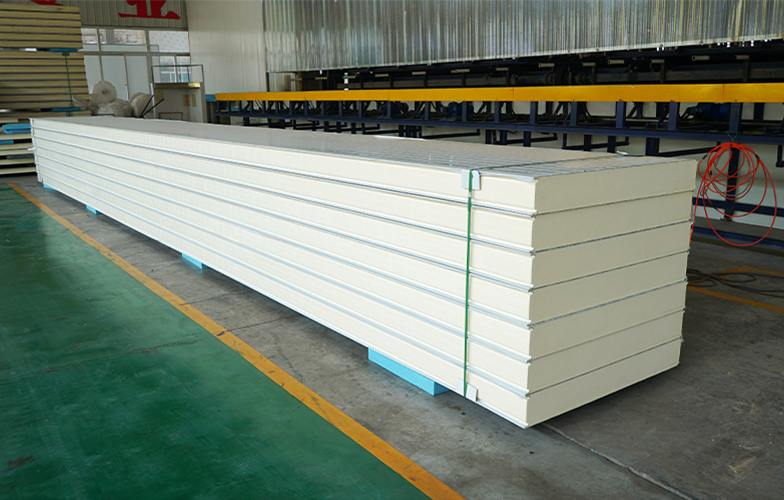
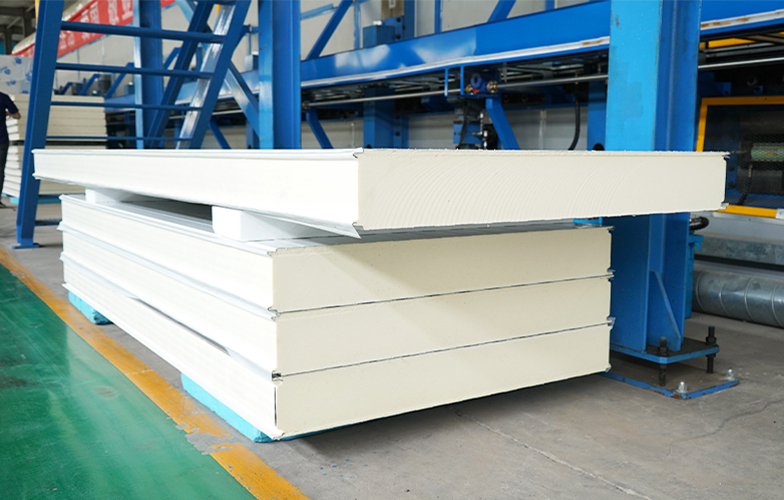
At first glance, PU and PIR sandwich panels look identical. Both use rigid foam cores bonded between two metal facings (typically steel or aluminum). Both offer closed-cell insulation, lightweight construction, and excellent thermal performance. But beneath the surface, their chemical composition, fire behavior, and performance under extreme conditions differ in ways that directly affect building safety, compliance, and long-term cost.
This article breaks down the differences point by point so you can make an informed decision for your next project.
What Is a PU Sandwich Panel?
A PU sandwich panel consists of two metal sheets bonded to a rigid polyurethane foam core. The foam is formed by mixing isocyanate (MDI) with a polyester polyol, along with catalysts and blowing agents. The result is a closed-cell structure that traps insulating gas within millions of tiny cells, achieving thermal conductivity values as low as 0.022 W/m·K.
PU panels are known for:
Excellent thermal insulation at a competitive price
Lightweight construction that reduces structural load
Fast installation using tongue-and-groove or cam-lock joint systems
Good mechanical strength and dimensional stability
Wide availability across global supply chains
In terms of fire classification, standard PU panels typically achieve B2 (normal flammability) or B3 ratings under the DIN 4102 system, corresponding to Class E under EN 13501-1. For projects where basic fire requirements are acceptable and budget is a primary concern, PU remains a solid, cost-effective choice.
What Is a PIR Sandwich Panel?
A PIR sandwich panel uses polyisocyanurate foam as its insulation core. While PIR belongs to the same chemical family as PU, the formulation is fundamentally different: PIR uses a higher proportion of MDI isocyanate reacted with polyether polyol (rather than polyester polyol), along with specialized catalysts that promote the formation of isocyanurate ring structures.
These isocyanurate rings are the key to PIR's superior performance. They create a more thermally stable molecular structure that:
Chars and forms a protective carbon layer when exposed to flame, slowing fire spread
Produces significantly less smoke during combustion
Maintains structural integrity at higher temperatures than PU
PIR panels typically achieve B-s1, d0 fire classification under EN 13501-1 — a dramatic improvement over PU. The "s1" indicates very low smoke emission, and "d0" means no flaming droplets. Under DIN 4102, PIR panels commonly reach B1 (flame retardant) classification.
Thermally, PIR offers K-values in the range of 0.021–0.023 W/m·K, comparable to or slightly better than PU, depending on thickness and formulation.
Key Differences at a Glance
| Aspect | PU (Polyurethane) | PIR (Polyisocyanurate) |
|---|---|---|
| Chemical base | Isocyanate + polyester polyol | Isocyanate + polyether polyol (higher MDI ratio) |
| Fire classification (EN 13501-1) | Class E (B2/B3) | Class B-s1, d0 (B1) |
| Smoke emission | Higher | Significantly lower |
| Char formation in fire | Limited | Strong carbonized protective layer |
| Continuous operating temperature | ~80–100 °C | ~120–150 °C |
| Thermal conductivity | ~0.022 W/m·K | ~0.021–0.023 W/m·K |
| Cost | Lower | 15–25% higher |
| Production temperature | ~40 °C (double belt) | ~60 °C (double belt) |
| Best for | Cost-sensitive projects with standard fire requirements | Projects demanding high fire safety, insurance compliance, or extreme temperatures |
Detailed Comparison
1. Fire Performance — The Biggest Difference
This is where PU and PIR diverge most sharply. When a PU panel is exposed to fire, the foam melts and can contribute to flame spread. PIR, by contrast, undergoes intumescence — it swells and forms a dense carbon char on the surface that insulates the material beneath and slows combustion.
For this reason, PIR is mandatory or strongly preferred in:
Buildings subject to strict fire codes (e.g., high-occupancy commercial spaces)
Facilities storing flammable materials
Cold storage where fire could cause catastrophic inventory loss
Projects where insurance underwriters require enhanced fire ratings
2. Thermal Stability and Temperature Range
PU panels have a continuous service temperature ceiling of roughly 80–100 °C. PIR panels extend this to 120–150 °C, making them suitable for processes involving heat, steam cleaning, or facilities in hot climates where roof surface temperatures can exceed 80 °C.
3. Thermal Insulation
Both materials perform at the top tier of commercially available insulation. The difference in U-value between a PU panel and a PIR panel of the same thickness is often marginal — typically within 0.001–0.002 W/m·K. For most projects, this difference does not drive the selection decision; fire safety and budget do.
4. Production and Manufacturing
PIR panels require modified production equipment:
Higher double-belt press temperatures (~60 °C vs. ~40 °C for PU)
Additional polyol storage tanks on the foaming machine
Corona treatment systems to enhance metal-to-foam adhesion
Dedicated polyether-based formulations that cannot be interchanged with PU polyols
This more demanding production process contributes to PIR's higher unit cost.
5. Cost
PU sandwich panels are generally 15–25% less expensive than PIR equivalents of the same thickness and facing specification. For large-scale projects on tight budgets — agricultural buildings, basic warehouses, temporary structures — PU often delivers the best price-to-performance ratio. PIR's premium is justified when fire safety, insurance requirements, or regulatory compliance are non-negotiable.
Which One Should You Choose?
| Project Requirement | Recommended Panel |
|---|---|
| Tight budget, standard fire risk | PU |
| Fire code mandates B1 / B-s1, d0 | PIR |
| Cold storage (-40 °C to +5 °C) | Either — both perform well; PIR preferred if fire risk exists |
| High-temperature environment (>80 °C) | PIR |
| Food processing / pharmaceutical (strict hygiene + fire) | PIR |
| Large warehouse / logistics center | Evaluate local fire code; PIR if insurance demands it |
| Agricultural / livestock building | PU (cost-effective, adequate fire performance) |
| Commercial / public access building | PIR (regulatory and liability considerations) |
Conclusion
PU and PIR sandwich panels share the same basic structure and deliver similarly outstanding thermal insulation. The choice between them comes down to a single question: how important is fire safety for this project?
Choose PU when thermal performance and cost efficiency are the top priorities, and the building's fire risk profile is standard.
Choose PIR when fire resistance, smoke control, high-temperature stability, or regulatory compliance are required — even at a higher upfront cost.
Neither material is universally "better." The right panel is the one that matches your project's safety requirements, budget, and performance expectations.
Looking for PU or PIR sandwich panels for your next project? Contact us for technical specifications, free samples, and a customized quotation based on your building requirements.