How Are Sandwich Panels Made? A Complete Guide for Construction Professionals
Introduction
If you are looking for a building material that helps you reduce construction costs, speed up installation, and improve insulation performance, sandwich panels are one of the most reliable solutions available today.
You need materials that deliver consistent quality, strong structural performance, and energy efficiency—especially when managing large-scale construction projects. This is where sandwich panels stand out.
In this guide, you will learn how sandwich panels are made, what types are available, and how they help you solve common construction challenges.
What Is a Sandwich Panel?
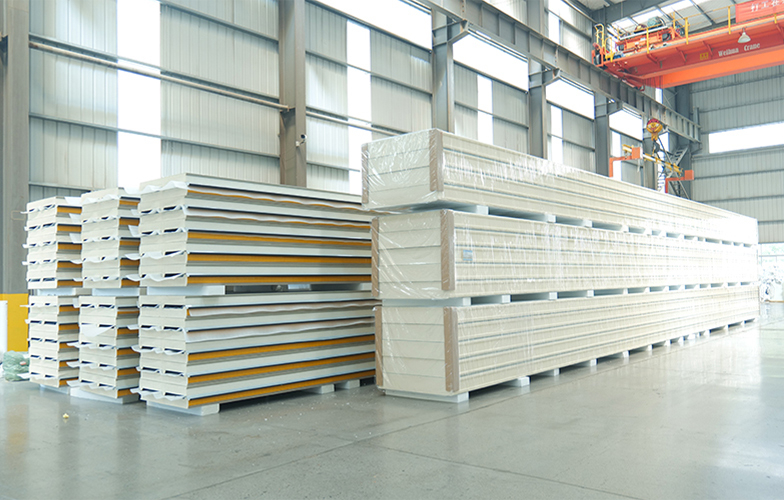
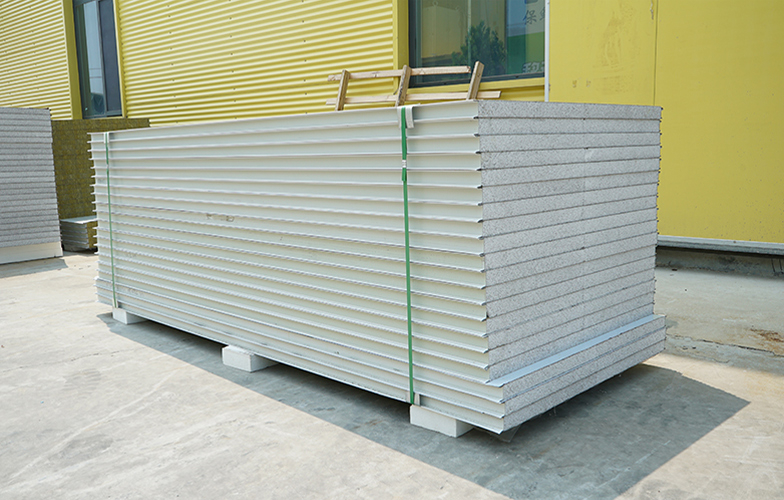
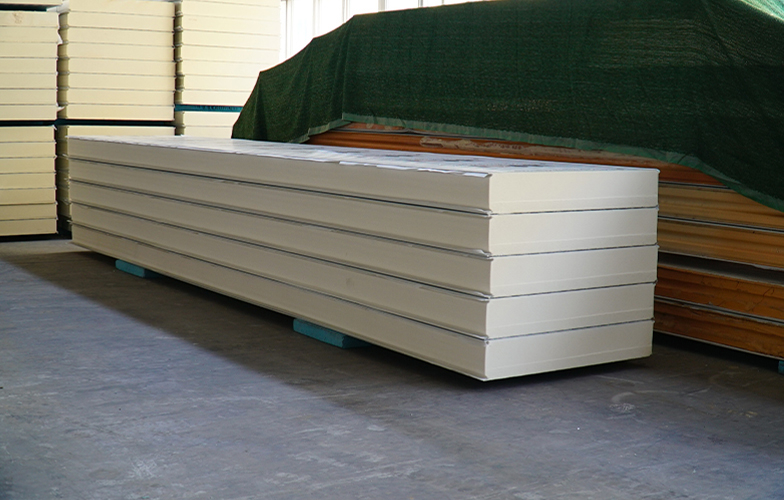
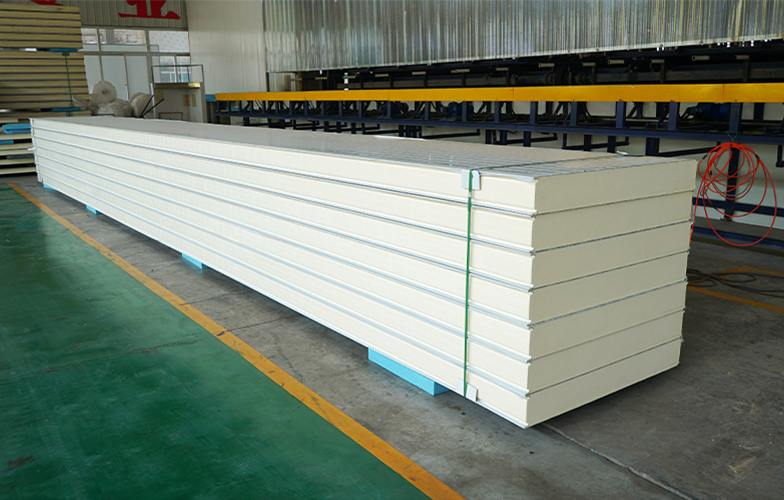
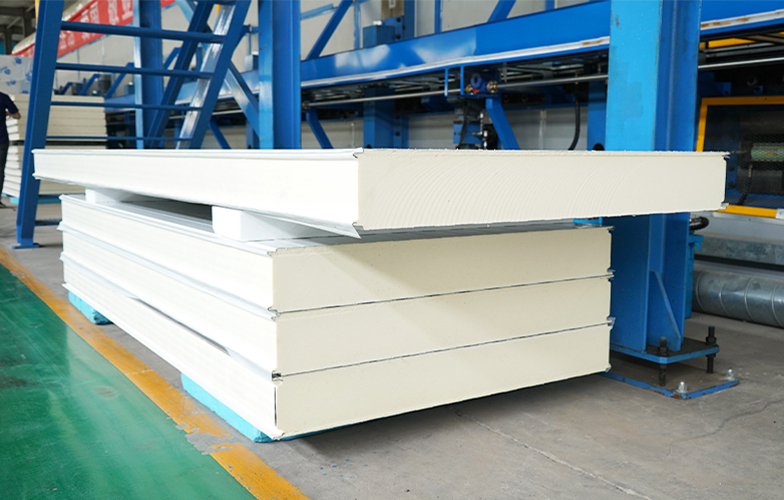
A sandwich panel is a composite building material made of three layers:
Outer Layer: Metal sheets (steel or aluminum)
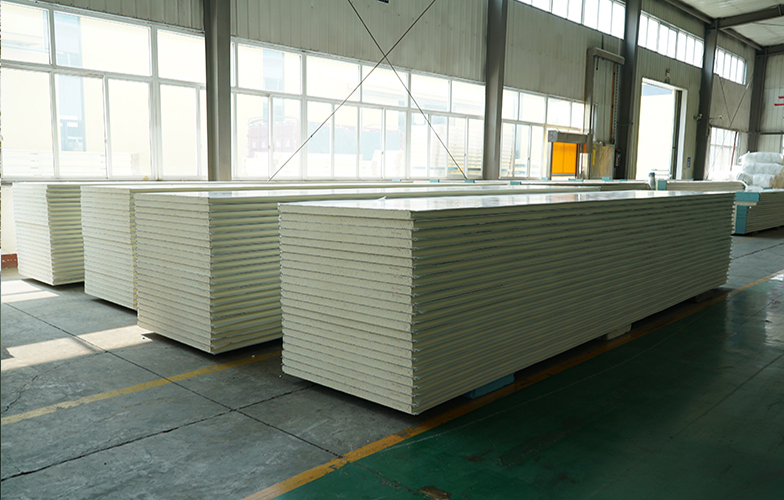
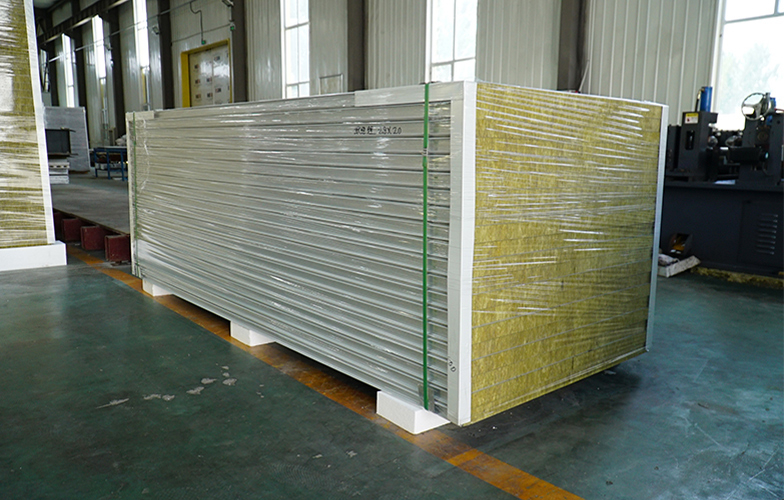
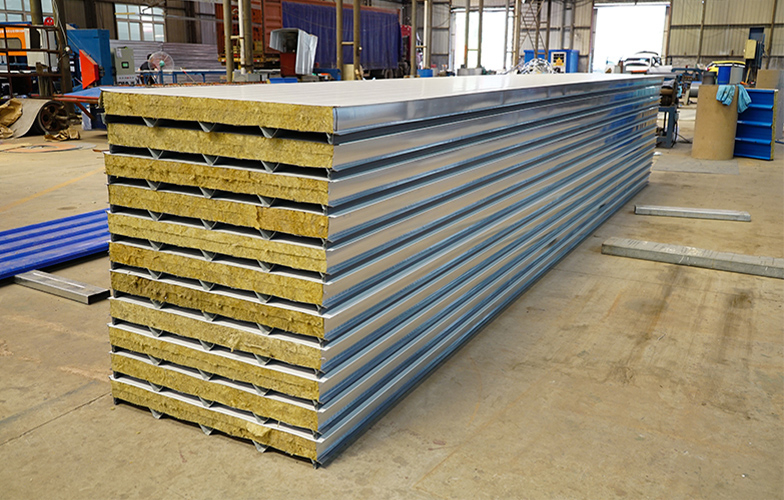
Core Material: Insulation layer (PU, EPS, Rock Wool, etc.)
Inner Layer: Protective and structural sheet
This structure allows you to achieve high strength with lightweight performance, making installation faster and more efficient.
How Sandwich Panels Are Made
The manufacturing process of sandwich panels is designed to ensure precision, durability, and consistent quality.
Step-by-Step Production Process:
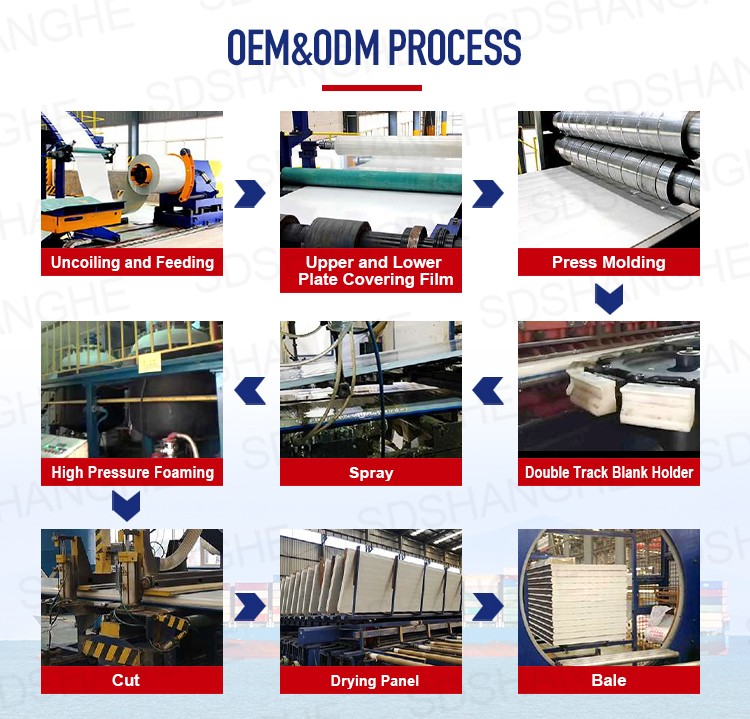
Raw Material Preparation
You start with high-quality steel coils and insulation materials.Metal Sheet Forming
Steel sheets are shaped and treated for corrosion resistance.Core Material Injection or Placement
Polyurethane (PU) is injected
Or EPS / Rock Wool is placed between layers
Lamination Process
Layers are bonded together under high pressure and temperature.
Cutting & Sizing
Panels are cut according to your required dimensions.
Quality Inspection
Each panel is tested to ensure durability, insulation, and strength.
Types of Sandwich Panels
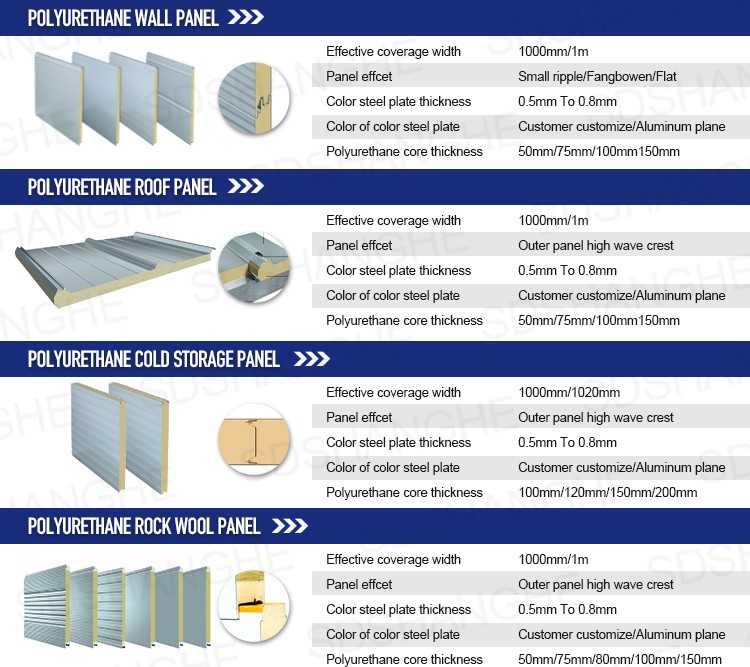
You can choose different types of sandwich panels depending on your project requirements:
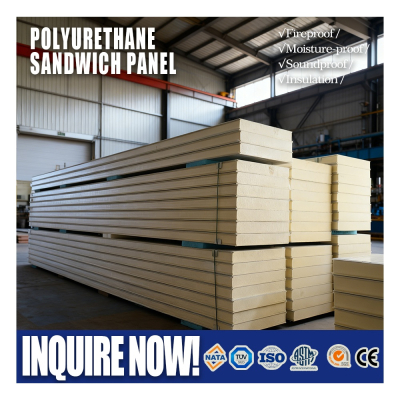
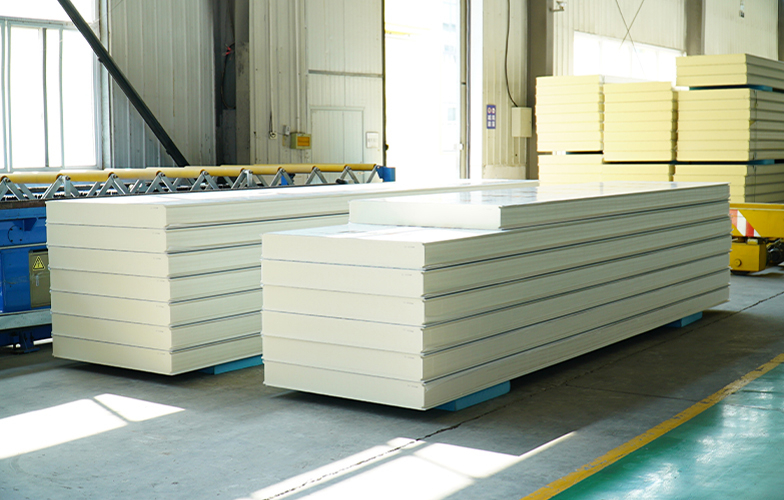
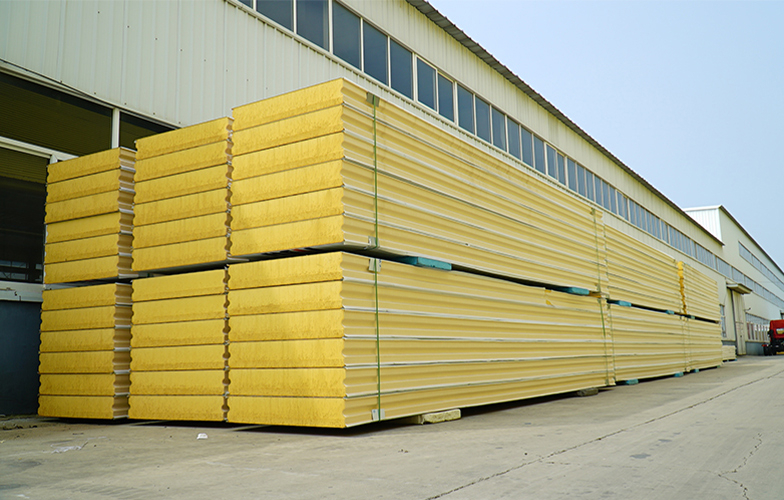
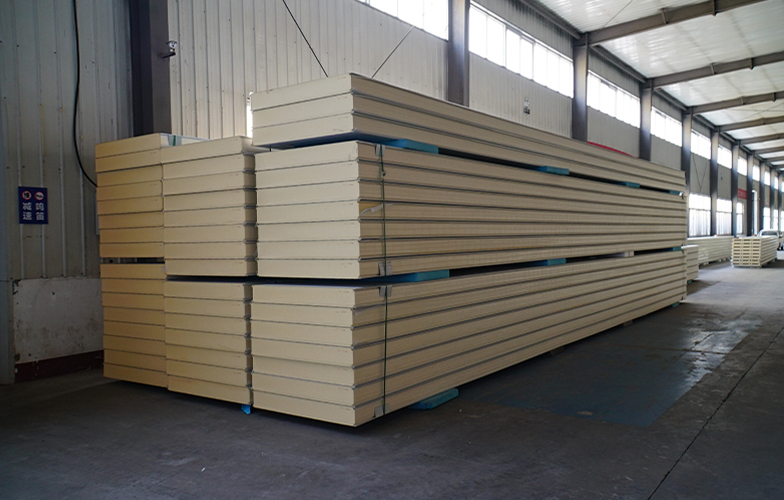
1. Polyurethane (PU) Sandwich Panels
Excellent insulation performance
High strength and durability
Ideal for cold storage and industrial buildings
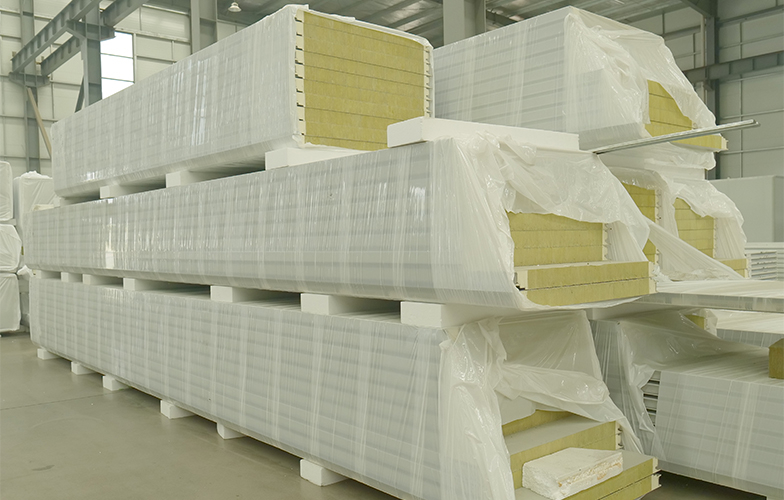
2. Rock Wool Sandwich Panels
Fire-resistant and soundproof
Suitable for high-safety construction projects
3. EPS Sandwich Panels
Cost-effective solution
Lightweight and easy to install
4. Metal Carved Panels
Decorative and functional
Perfect for exterior wall applications
Key Benefits of Sandwich Panels
When you use sandwich panels, you gain:
Lower Construction Costs
You reduce labor and material expenses significantly.Faster Installation
You can complete projects in less time with prefabricated panels.Excellent Thermal Insulation
You improve energy efficiency and reduce long-term costs.High Structural Strength
You get reliable performance under pressure and harsh conditions.Stable and Consistent Quality
You avoid issues caused by traditional construction materials.Versatile Applications
You can use them for warehouses, factories, offices, and more.
Sandwich Panel Manufacturing Process Table
| Step | Description | Benefit to You |
|---|---|---|
| Raw Material Selection | High-quality steel and insulation materials | Ensures durability and long lifespan |
| Sheet Forming | Metal sheets shaped and coated | Improves corrosion resistance |
| Core Filling | PU injection or EPS/Rock Wool placement | Provides insulation and strength |
| Lamination | Bonding under pressure | Guarantees structural stability |
| Cutting | Custom sizing | Fits your project requirements |
| Quality Inspection | Testing and verification | Ensures consistent product performance |
Why Choose Shandong Shanghe?
You need a supplier that helps you reduce risk, improve efficiency, and ensure product reliability.
With Shandong Shanghe, you get:
Certified products (CE, ISO, SGS) ensuring compliance
Stable production capacity for large orders
Strict quality control for consistent performance
Multiple product options for different applications
Reliable delivery timelines to keep your project on track
Professional support to help you choose the right solution
FAQ (Frequently Asked Questions)
1. How long do sandwich panels last?
You can expect sandwich panels to last 20–30 years or more, depending on the material and environment. For long-term projects, choosing high-quality panels ensures durability. Contact us to learn which panel suits your project best.
2. Which sandwich panel is best for insulation?
Polyurethane (PU) sandwich panels provide the best thermal insulation performance, helping you reduce energy costs. You can explore more about PU sandwcih panels or contact us for recommendations.
3. Are sandwich panels fire-resistant?
Rock wool sandwich panels offer excellent fire resistance, making them ideal for projects with strict safety requirements. Reach out to us to choose the right fire-rated solution.
4. Can sandwich panels reduce construction time?
Yes, you can significantly speed up installation because panels are prefabricated. This helps you complete projects faster and reduce labor costs. Contact us now to plan your supply timeline.
5. Are sandwich panels cost-effective?
You save money through reduced labor, faster installation, and energy efficiency, making them a highly cost-effective choice for large projects.
6. How do I choose the right sandwich panel?
You should consider your needs for insulation, fire resistance, budget, and application. Our team can help you select the best option—send your inquiry now for expert advice.