What is a PU Wall Panel? The Ultimate Guide to Polyurethane Insulated Wall Panels
In modern architecture, energy-efficient building standards and rapid construction methodologies are driving massive demand for advanced composite building materials. Among the most popular solutions worldwide is the PU wall panel (Polyurethane Wall Panel). Whether you are developing cold storage facilities, commercial warehouses, cleanrooms, or modern architectural facades, PU wall panels offer an unbeatable balance of thermal insulation, structural integrity, and aesthetic flexibility.
In this comprehensive guide, SHANGHE breaks down everything you need to know about PU wall panels: what they are, how they are made, their key advantages, primary applications, and how to select the right specification for your project.
1. What Exactly is a PU Wall Panel?
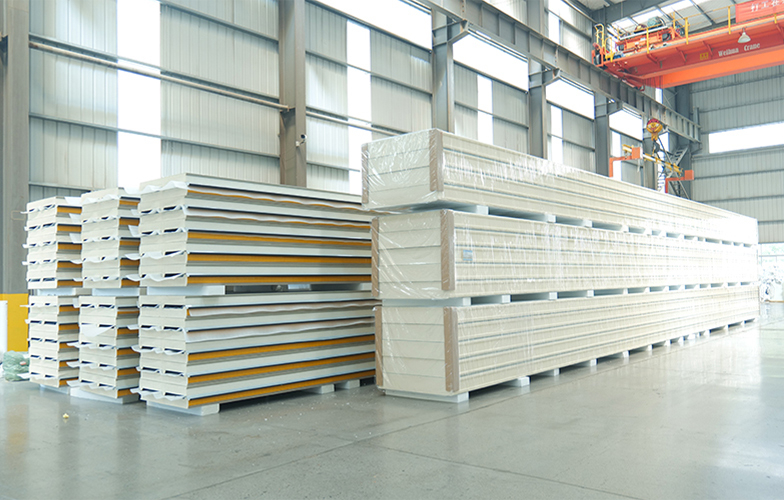
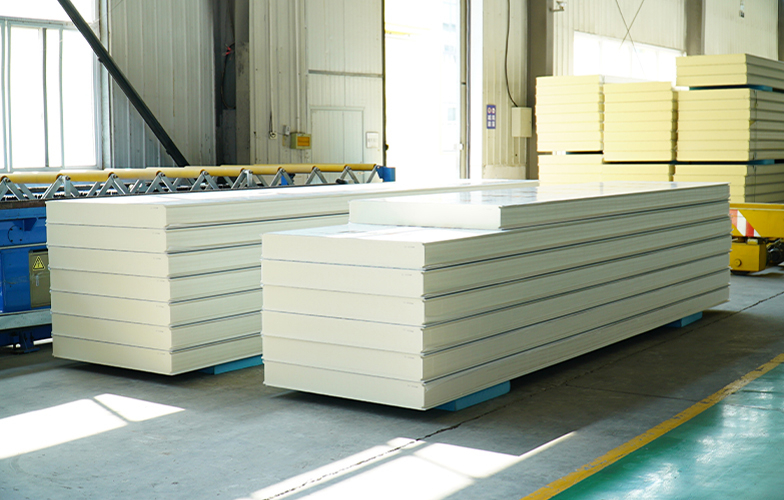
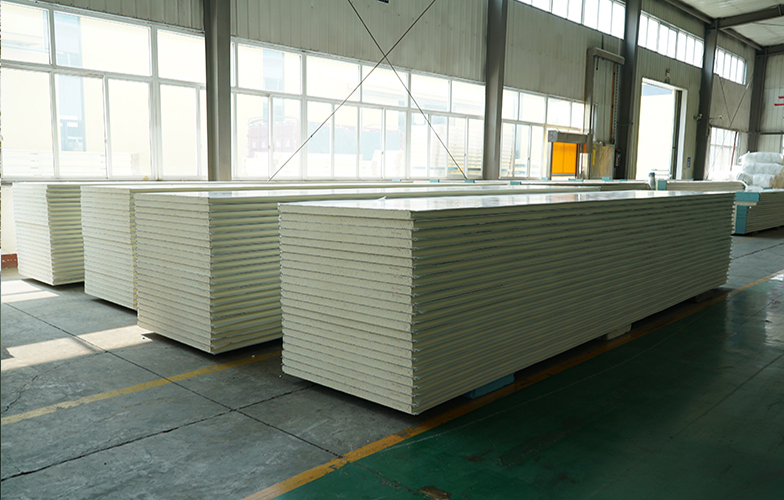
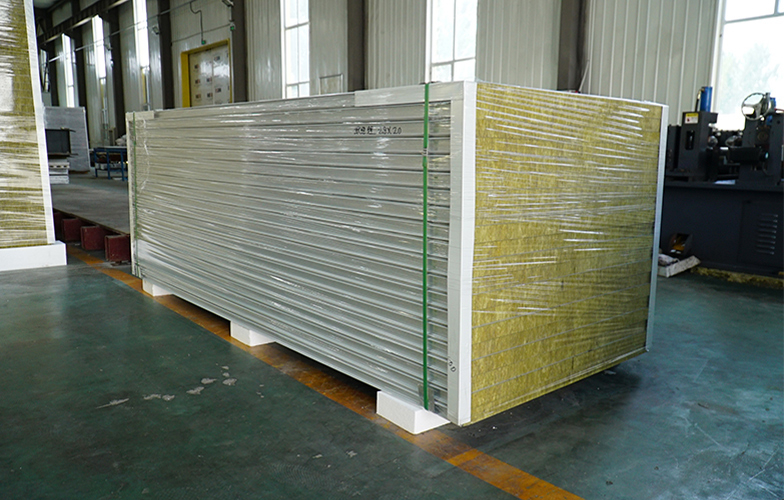
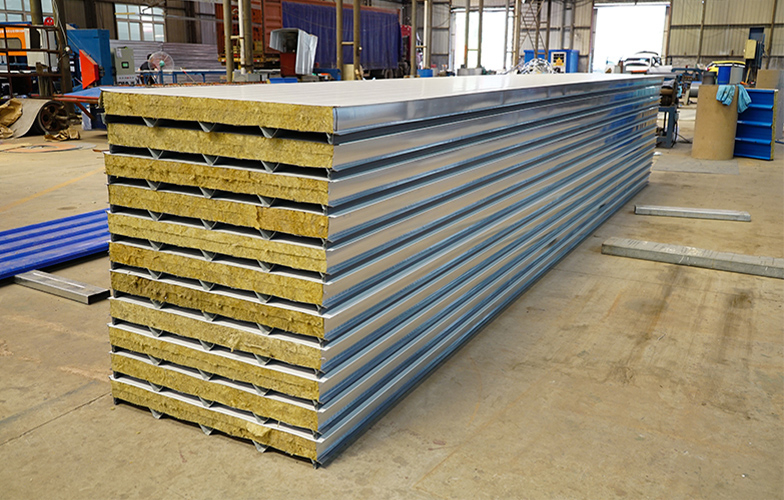
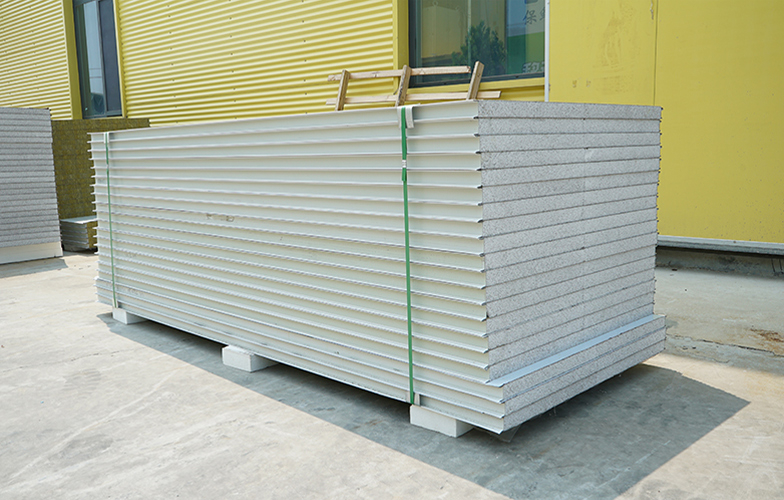
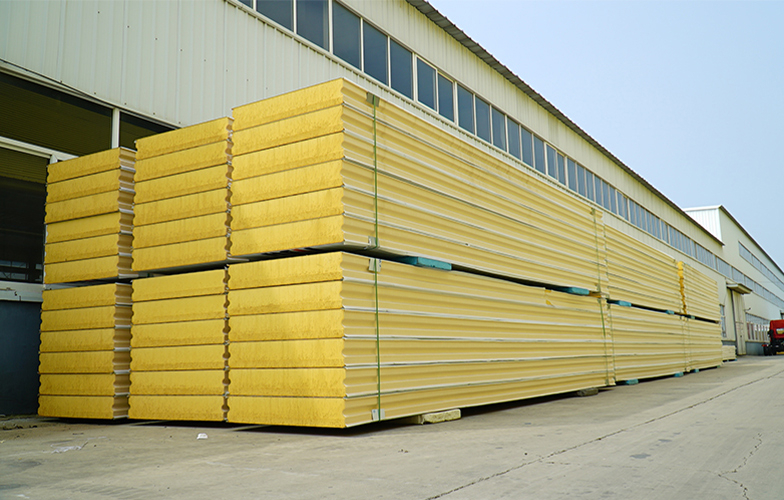
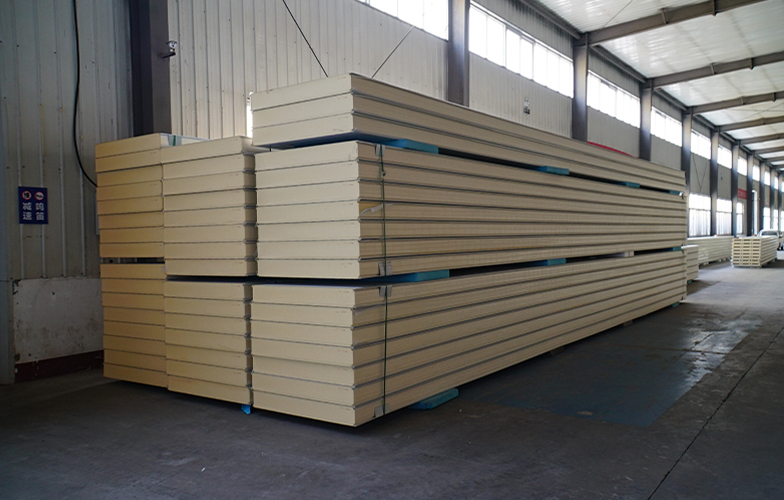
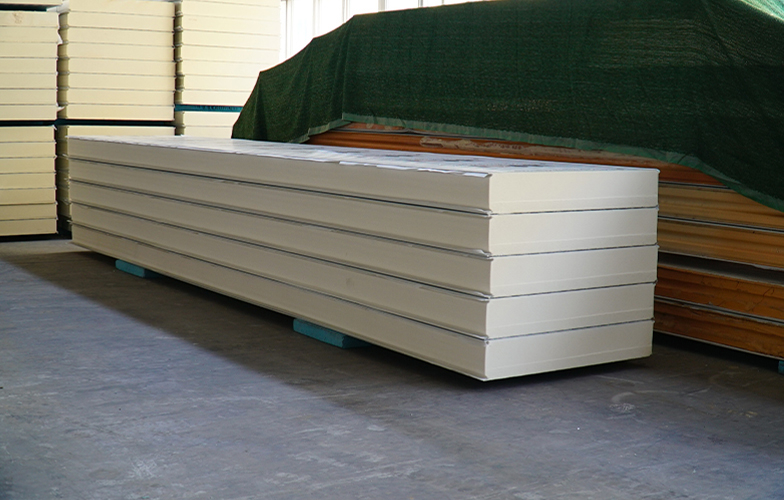
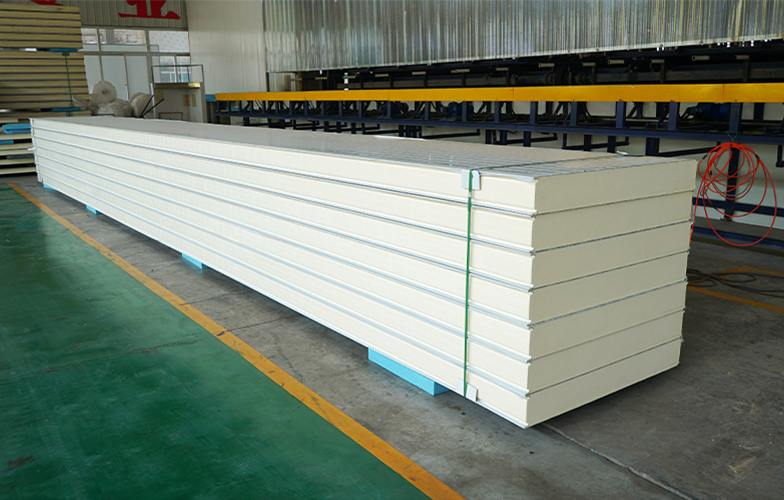
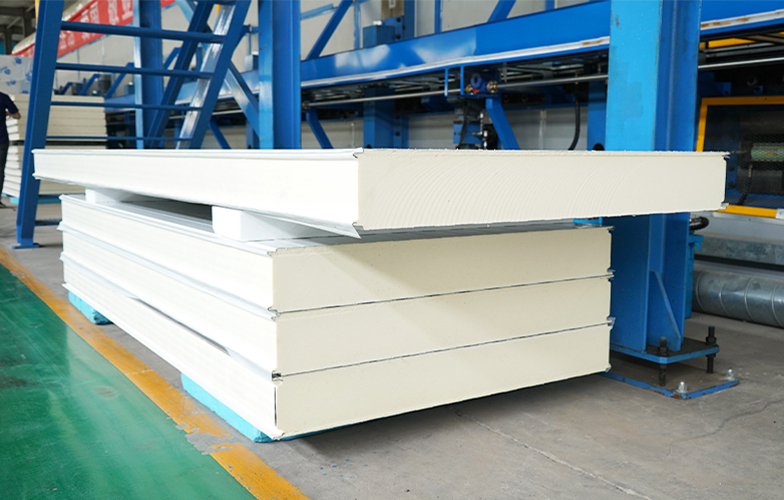
A PU wall panel (short for Polyurethane Wall Panel) is an engineered composite building board designed for wall cladding, exterior facade decoration, and interior partition systems.
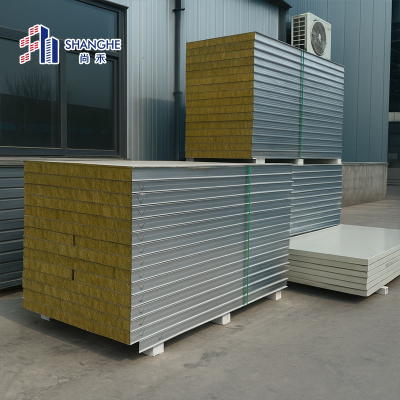
Most commonly structured as a sandwich panel, it comprises three primary layers:
Outer Facing Layer: High-strength surface material—typically prepainted galvanized steel (PPGI), aluminum sheet, or embossed alu-zinc metal sheet coated with weather-resistant fluorocarbon (PVDF) or polyester (PE) paint.
Core Insulation Layer: High-density rigid Polyurethane (PU/PUR) or Polyisocyanurate (PIR) foam injected between the facings under high pressure.
Inner Backing Layer: Protective metal sheet, aluminum foil, or glass fiber fabric tailored to the application environment (e.g., moisture-proof foil for interior insulation or anti-corrosive steel for chemical plants).
The rigid PU core is formed via a chemical reaction between polyols and isocyanates, resulting in a microcellular, closed-cell foam structure (closed-cell rate > 95%) that traps air and provides world-class thermal insulation.
2. Technical Specifications of SHANGHE PU Wall Panels
To understand why PU wall panels outperform traditional building materials, look at their core technical parameters:
| Technical Property | Standard Specification (SHANGHE Industrial Grade) |
| Core Material | Rigid Polyurethane (PUR) / Polyisocyanurate (PIR) Foam |
| Foam Density | 38-45㎏/m³ |
| Thermal Conductivity () | 0.018-0.024W/(m·k) |
| Panel Thickness | 40mm,50mm,75mm,100mm,150mm,200mm(Customizable) |
| Standard Width | 950mm/1000mm/1150mm(Effective width) |
| Surface Metal Thickness | 0.4mm-0.8mm(PPGI/Alu-Zonc/Stainless Steel) |
| Fire Safety Rating | Class B1 (Flame Retardant) / Class B2 / PIR Class B1 |
| Closed-Cell Rate | ≥95% |
| Operating Temperature | -50℃ to+120℃ |
3. Core Advantages of PU Wall Panels
Why are architects, general contractors, and project managers shifting toward PU wall panels? Here are the defining benefits:
① Unrivaled Thermal Insulation & Energy Efficiency
With a thermal conductivity as low as , rigid polyurethane is one of the most efficient thermal insulation materials commercially available. A 50mm PU wall panel delivers thermal performance equivalent to a 1000mm brick wall, drastically reducing HVAC energy consumption and operating costs over the building's lifecycle.
② Lightweight with High Structural Rigidity
Despite their ultra-low weight, SHANGHE PU wall panels boast remarkable compressive and bending strength. The composite sandwich structure acts as a load-bearing exterior envelope, reducing the structural load on building foundations and steel frameworks.
③ Superior Moisture & Waterproofing
Thanks to the closed-cell foam matrix (>95% closed cells) and airtight joint interlocks, PU wall panels prevent capillary water absorption and vapor penetration. They will not rot, degrade, or harbor mold and mildew, making them ideal for high-humidity areas.
④ Fire Resistance & Self-Extinguishing Properties
Modern PU/PIR formulations incorporate advanced flame retardants. When exposed to flames, the surface forms a protective carbonized layer that suppresses flame spread and minimizes smoke emission, meeting international Class B1 fire safety regulations.
⑤ Fast & Cost-Effective Modular Installation
Prefabricated in standard modular dimensions, SHANGHE PU wall panels utilize tongue-and-groove or concealed fastener joint systems. On-site installation is dry, clean, and up to 60% faster than conventional masonry or wet-plaster systems, significantly cutting down labor expenses.
⑥ Architectural Aesthetics & Custom Finishes
Available in diverse profiles (flat, corrugated, ribbed, micro-ribbed) and decorative exterior finishes (metal carved textures, wood grain, marble/stone patterns, brick textures), SHANGHE PU panels elevate the visual appeal of modern commercial and residential structures.
4. Key Application Scenarios of PU Wall Panels
PU wall panels are engineered for a broad spectrum of commercial, industrial, and residential applications:
Cold Storage & Refrigeration Facilities:
Blast freezers, cold chain logistics warehouses, food processing workshops, and pharmaceutical cold storage requiring ultra-low thermal leakage and airtight seals.
Industrial Warehouses & Steel Structure Buildings:
Large-span industrial workshops, logistics parks, aircraft hangars, and distribution centers.
Cleanrooms & Controlled Environments:
Semiconductor fabrication plants, biotechnology labs, pharmaceutical cleanrooms, and hospital operating suites needing seamless, dust-free, and easy-to-clean wall systems.
Exterior Architectural Cladding & Building Energy Retrofits:
Modern office buildings, shopping malls, exhibition centers, and energy-saving renovations of older concrete structures using decorative PU carved wall panels.
Modular & Prefabricated Housing:
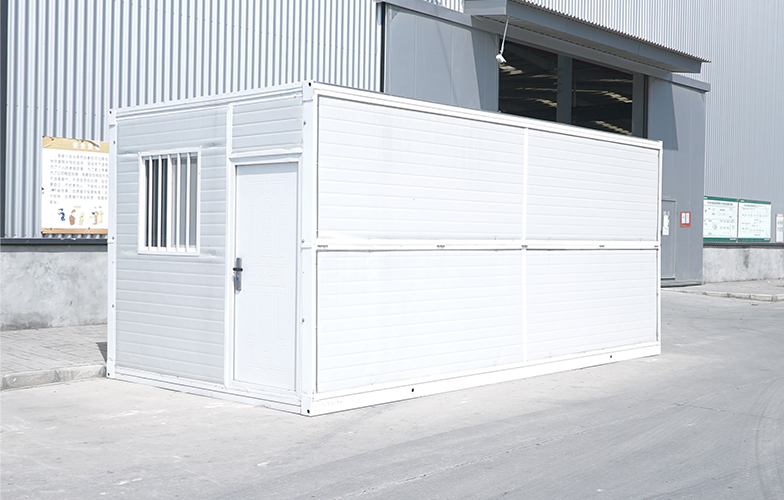
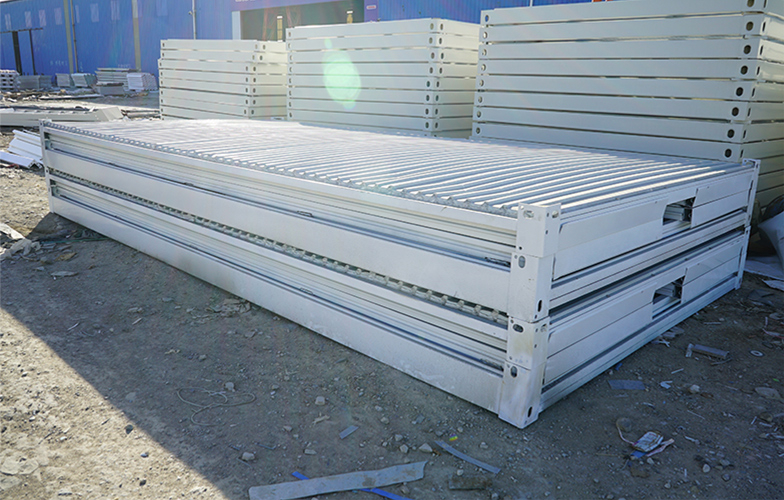
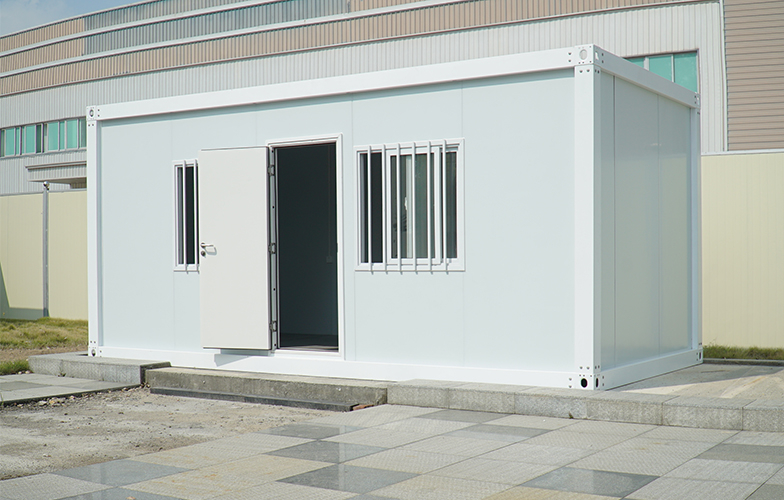
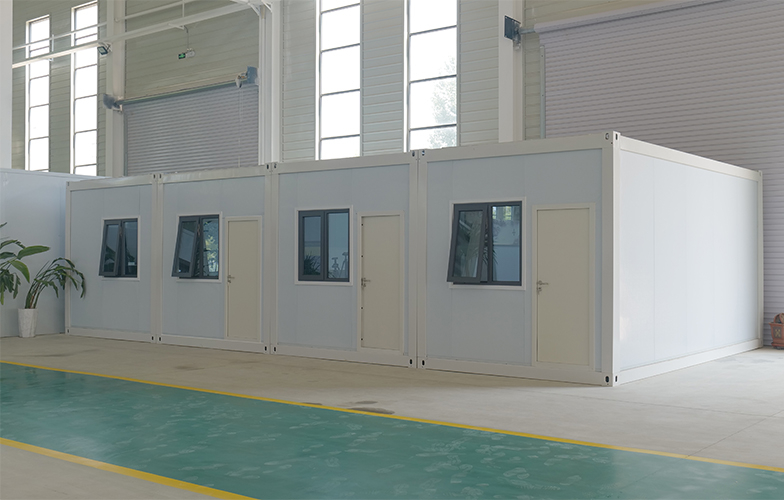
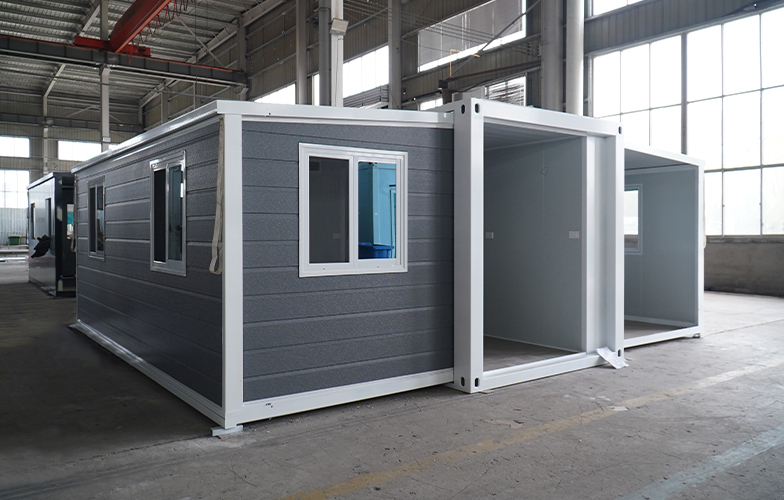
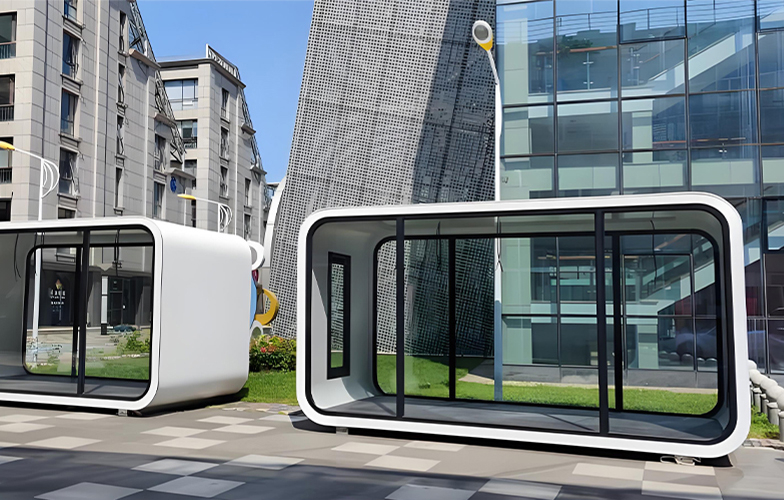
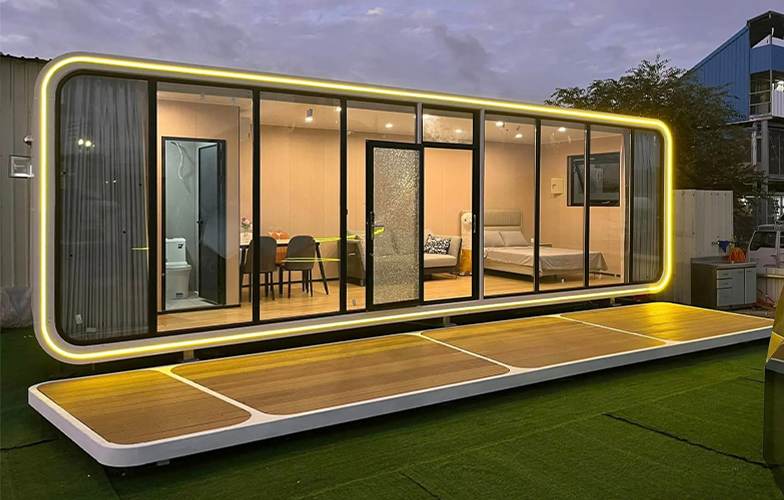
Container houses, luxury pod cabins, prefabricated villas, construction site offices, and emergency shelter systems.
5. Performance Comparison: PU vs. Rock Wool vs. EPS Wall Panels
Choosing the right sandwich panel core is critical to balancing budget and engineering requirements:
| Comparison Metric | PU (Polyurethane / PIR) | Rock Wool (Mineral Wool) | EPS (Expanded Polystyrene) |
| Thermal Insulation | Excellent(≈0.022W/m·K) | Moderate(≈0.040W/m·K) | Good (≈0.038W/m·K) |
| Fire Safety Rating | Class B1 / B2 | Class A1 / A2 (Non-combustible) | Class B2 |
| Moisture Resistance | High (Closed-cell ≥95) | Low (Absorbs moisture if unsealed) | Moderate |
| Weight | Lightweight | Heavy | Very Lightweight |
| Structural Strength | High compressive & shear bond | Moderate | Low |
| Best Application | Cold storage, energy-efficient facades | High fire-risk industrial buildings | Budget temporary buildings |
6. Why Choose SHANGHE PU Wall Panels?
As an established global manufacturer of architectural envelope and thermal insulation solutions, SHANGHE delivers high-performance PU wall panel systems tailored to international engineering standards.
Continuous Automated Production: High-precision automated continuous foaming lines ensure uniform foam density, zero bubble voids, and flawless surface flatness.
Strict Quality Control & Global Certifications: Rigorously tested for thermal resistance, fire rating, shear strength, and weatherability (CE, ISO9001, ISO14001).
Comprehensive Customization: Custom panel thickness (40mm–200mm), core formulas (PUR/PIR), steel sheet thicknesses, paint coatings (PVDF/PE/HDP), and bespoke architectural textures.
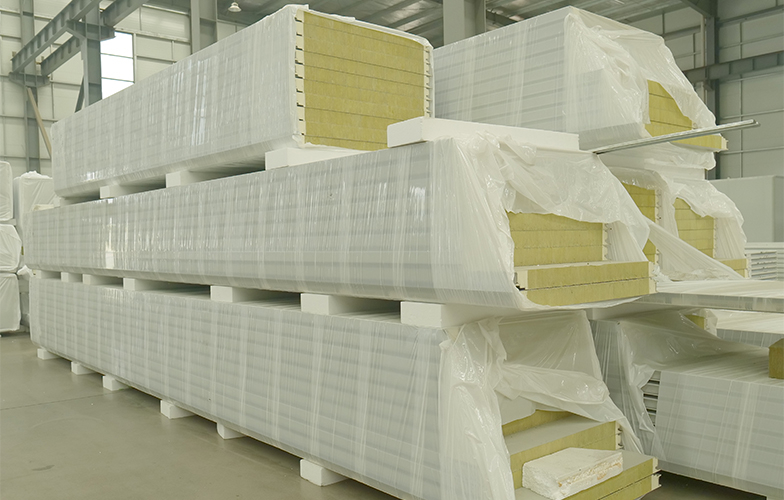
Turnkey Export Support: Professional container loading, export-grade packaging with protective film, and complete technical guidance from drafting to installation.
7. Frequently Asked Questions (FAQ)
Q1: How long do PU wall panels last?
Under standard outdoor operating conditions and with proper maintenance, high-quality PU wall panels from SHANGHE offer a design lifespan of 30 to 50 years. The PVDF/PE exterior coatings protect the metal skin from UV degradation and corrosion.
Q2: What is the main difference between PU (PUR) and PIR wall panels?
While both belong to the polyurethane family, PIR (Polyisocyanurate) is produced with a higher isocyanate index and ring-like chemical structure. This gives PIR panels superior high-temperature resistance and enhanced Class B1 fire performance compared to standard PUR.
Q3: Are PU wall panels easy to clean and maintain?
Yes. The smooth metal surface of PU wall panels is stain-resistant and can be easily washed down with high-pressure water or mild detergents, making them suitable for food-grade cleanrooms and hygiene-critical environments.
Q4: Can SHANGHE customize PU wall panels for specific project dimensions?
Yes. SHANGHE provides fully customized lengths (limited only by container transport dimensions), specific core densities, custom RAL color matching, and various joint profiles to match your engineering drawings.
Conclusion & Get in Touch with SHANGHE
PU wall panels represent the pinnacle of modern thermal insulation and fast-track modular construction. By delivering outstanding energy savings, rapid installation, and long-lasting durability, they are an essential asset for any commercial, industrial, or cold chain project.
Ready to upgrade your next building project? Contact the SHANGHE technical team today for free product samples, technical datasheets, and factory-direct project quotes!
Brand: SHANGHE Insulation & Building Solutions
Inquiries: Contact our international sales team for technical consulting and customized B2B solutions.