What Is an EPS Sandwich Panel? Structure, Benefits & Applications
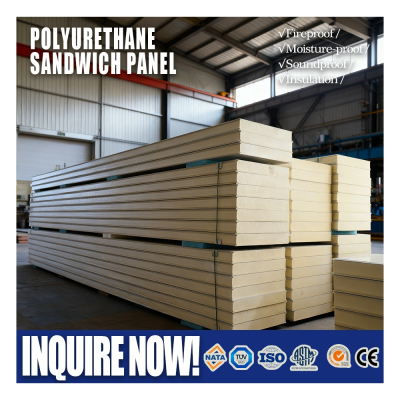
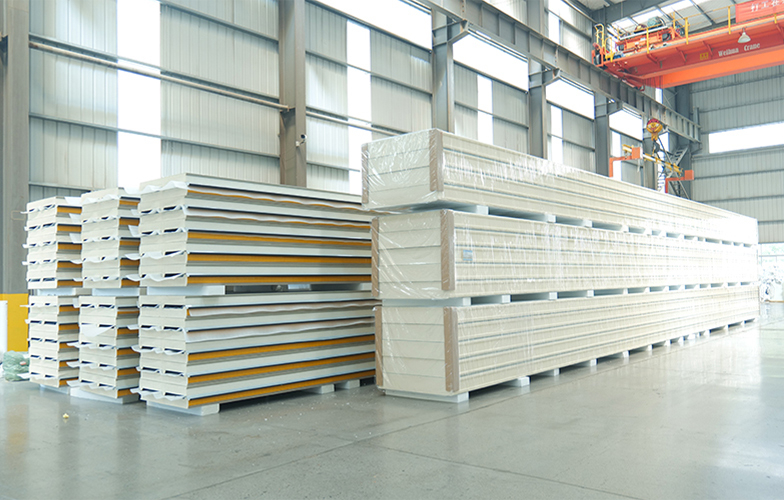
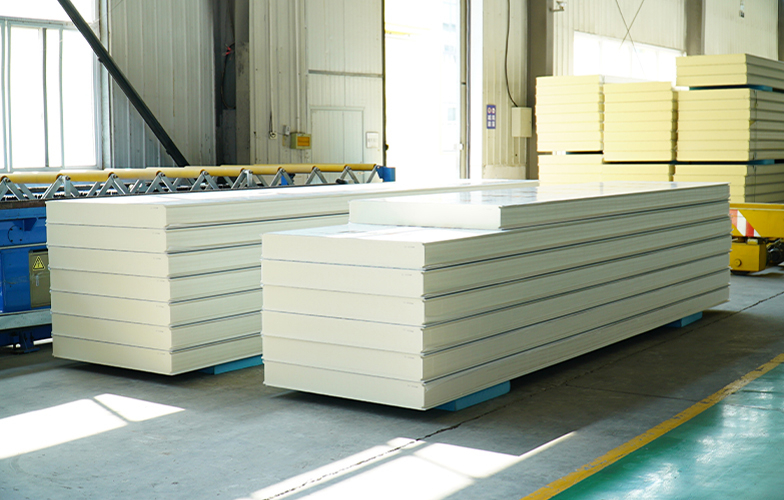
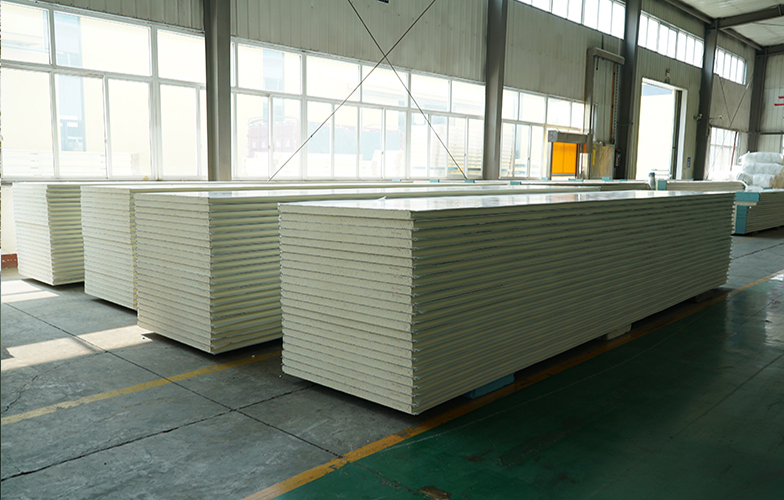
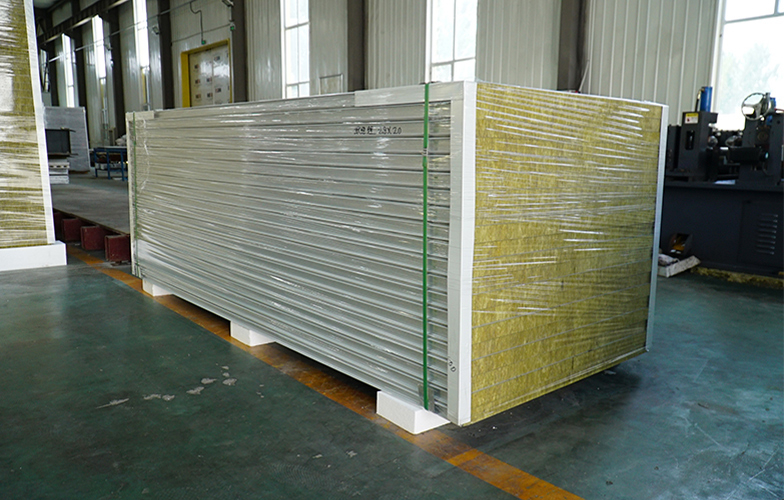
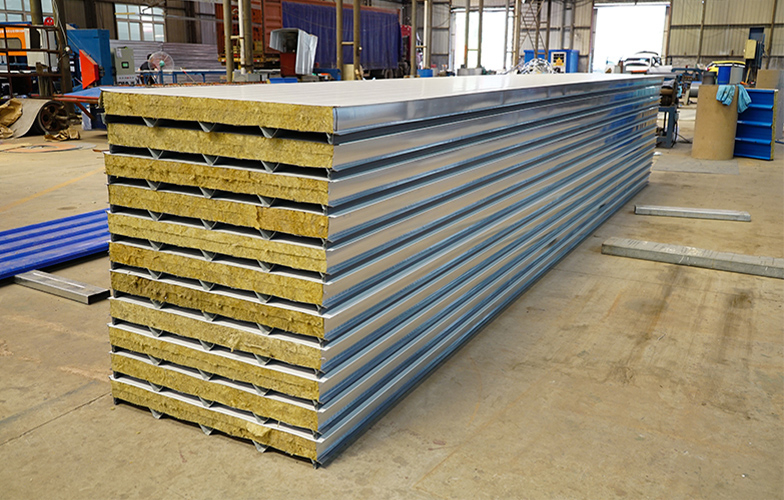
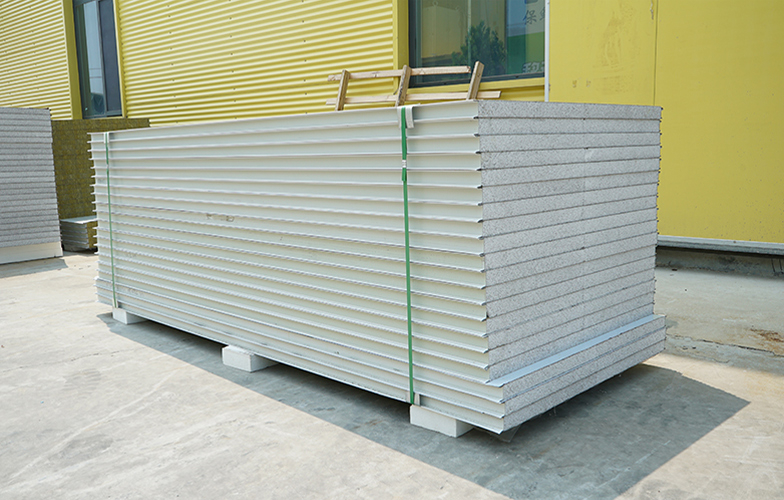
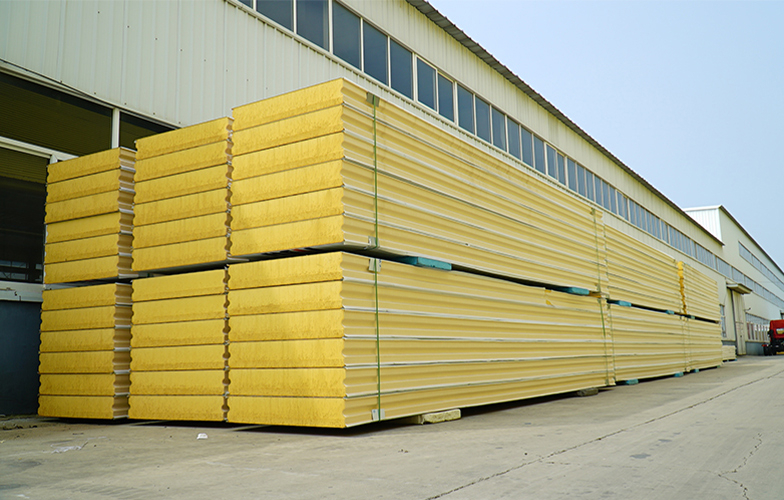
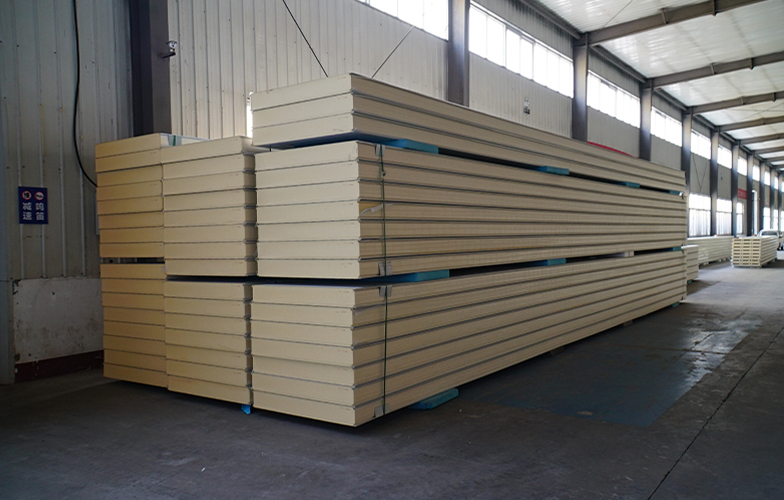
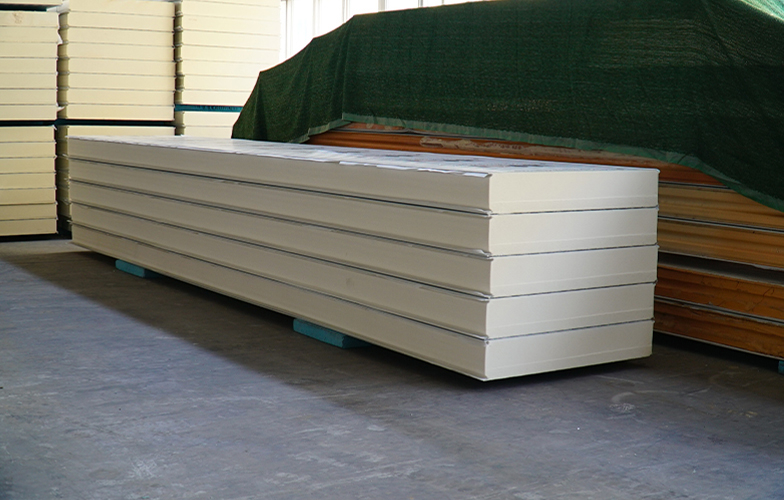
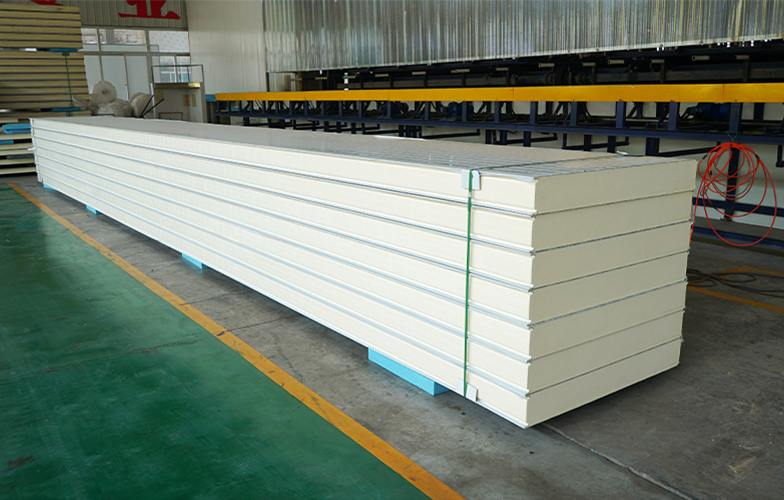
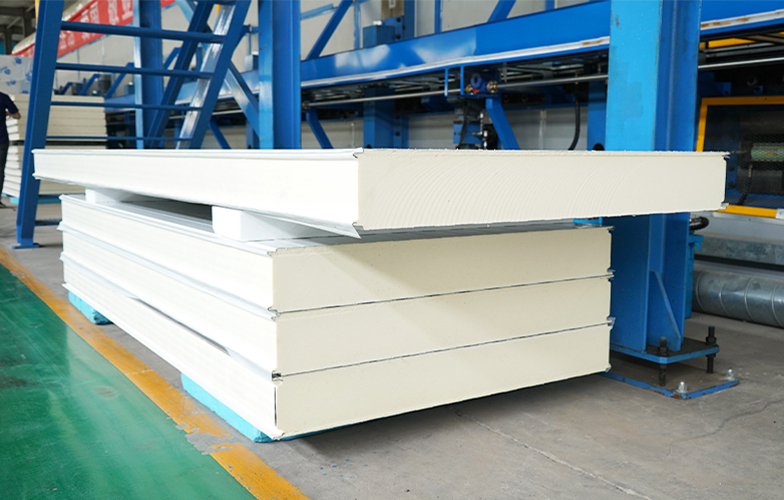
An EPS sandwich panel is a prefabricated building panel made of an expanded polystyrene (EPS) foam core bonded between two metal facings, usually galvanized or color-coated steel. It is one of the most widely used insulated panels in the world because it is lightweight, low-cost and fast to install — and it delivers solid thermal insulation in one pre-made component.
In this guide you will learn exactly what an EPS sandwich panel is, how it is made, what performance you can realistically expect, how it compares with PU and mineral-wool panels, and what to check before you buy. No jargon — just the facts that matter for builders, contractors and buyers.
What Exactly Is "EPS"?
EPS stands for expanded polystyrene. It is a rigid, closed-cell foam made by expanding polystyrene beads with steam until they grow into a block of millions of tiny air pockets — about 98% air and 2% plastic.
Because air is a poor conductor of heat, EPS is an excellent insulator. In sandwich panels, the EPS core is typically supplied at a density of 10–18 kg/m³ and a thermal conductivity of roughly 0.030–0.041 W/(m·K), depending on the grade. The core is produced without CFC or HCFC blowing agents and can be recycled after the panel is dismantled.
The Anatomy of an EPS Sandwich Panel
An EPS panel is a simple three-layer "sandwich":
Metal facings — normally hot-dip galvanized or color-coated steel, 0.3–0.6 mm thick. The coating protects against corrosion and gives the panel its finish color. (Galvalume options are available for more aggressive environments.)
EPS core — the insulation layer, typically 50–200 mm thick, cut or molded to the profile.
Structural adhesive bond — the core and facings are bonded on a continuous laminating line under heat and pressure, forming one rigid composite that resists delamination.
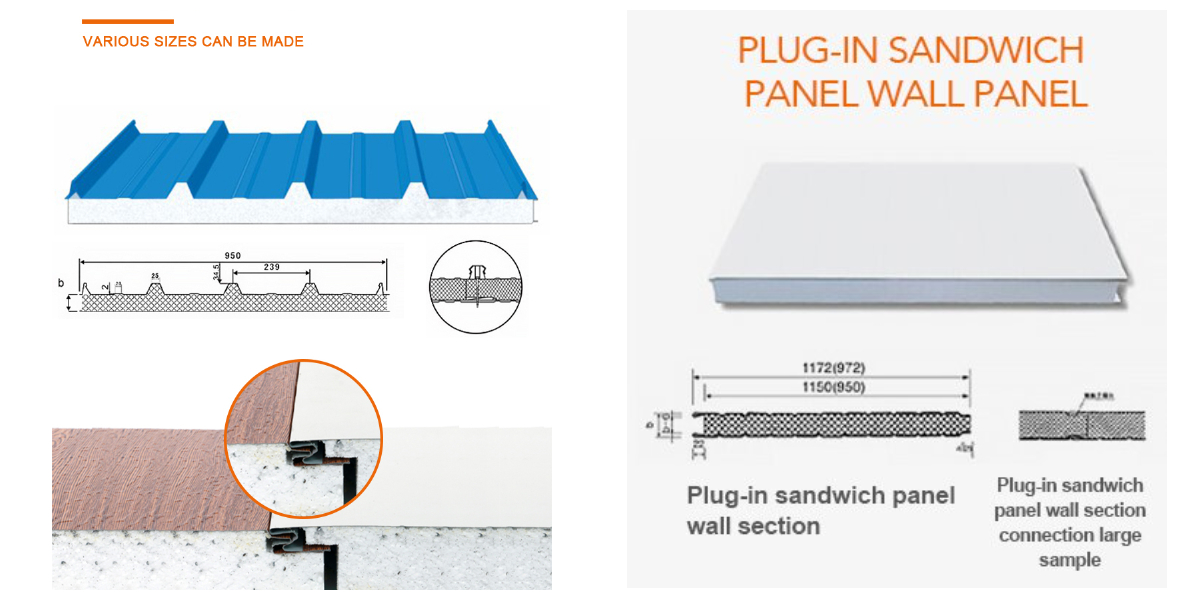
The facings are usually roll-formed with ribs or a tongue-and-groove joint, so panels lock together along the edges. Common effective widths are 950 mm and 1150 mm; panel thickness ranges from about 50 mm to 200 mm; and lengths are cut to order (commonly up to ~12 m per piece, subject to transport limits).
Because the metal skins carry the loads and the EPS core provides insulation, the panel does two jobs at once — structure and insulation are delivered in a single installation step.
Key Performance Characteristics
Thermal insulation. This is the core reason to choose EPS panels. Typical U-values (based on a core conductivity of ~0.037 W/(m·K), verify the supplier's datasheet):
| panel thickness | approx. U-value |
| 50mm | ≈ 0.66 W/m²·K |
| 75mm | ≈ 0.47 W/m²·K |
| 100mm | ≈ 0.35 W/m²·K |
Thicker cores give proportionally better insulation, so panels can be "tuned" to the climate and to local energy requirements.
Lightweight. A 50 mm EPS panel weighs roughly 9–12 kg/m² depending on steel gauge and core density — far less than brick, block or cast-in-place alternatives. That means lighter structural steel, smaller foundations and lower transport cost per square meter.
Fast, dry installation. Panels arrive as finished components and simply bolt or screw to the frame. A large wall or roof area can be enclosed in days, with no curing time, wet trades or scaffolding-heavy work. This is a major driver of total installed cost.
Strength. The bonded composite acts like an I-beam: the steel skins resist bending while the foam core stabilizes them. Panels span between purlins or rails and can be used for walls and roofs within their load limits.
Moisture behavior. The closed-cell EPS core does not absorb water and does not feed mold. Practical caveat: performance depends on well-sealed joints and flashings — moisture problems in metal buildings are almost always joint problems, not core problems.
Sound. EPS panels provide moderate sound insulation. Where acoustics are critical (offices, partitions between noisy processes), a mineral-wool core or additional lining is the better choice.
The Honest Picture on Fire
EPS is a hydrocarbon foam, so it is combustible — this must be stated plainly. Standard EPS cores typically fall in EN 13501-1 class E. Flame-retardant grades with additives can improve reaction-to-fire performance, but no EPS core is non-combustible, and a fire inside a void can produce smoke.
Practical rule of thumb:
EPS panels suit general industrial, agricultural and modular buildings where the building code allows a combustible insulated core.
Where the code demands non-combustible insulation (class A1/A2), choose mineral-wool-core panels — never substitute EPS against the spec.
Always confirm the required reaction-to-fire class with your local building authority before ordering, and ask the manufacturer for test documentation rather than assuming.
EPS vs PU vs Mineral Wool — Which Panel Should You Choose?
| Criterion | EPS core | PU (polyurethane) core | Mineral wool core |
| Thermal conductivity | 0.030–0.041 W/(m·K) | 0.022–0.028 W/(m·K) — best | 0.033–0.045 W/(m·K) |
| Core density | 10–18 kg/m³ — lightest | ~35–45 kg/m³ | 80–150 kg/m³ — heaviest |
| Reaction to fire | Combustible (typically class E); FR grades available | Better than EPS; check grade | Non-combustible (A1/A2) |
| Moisture behavior | Closed cell, low absorption | Closed cell, very low vapour permeability | Absorbs moisture if damaged; joints must be sealed |
| Sound insulation | Moderate | Moderate | Best |
| Relative cost | Lowest | Higher | Highest |
| Best applications | Warehouses, factories, workshops, modular and agricultural buildings, general wall/roof insulation | Cold storage, freezers, projects needing maximum insulation in thin panels | Fire-critical zones, acoustic walls, code-restricted buildings |
Simplified decision: budget and general insulation → EPS; extreme cold storage and maximum insulation per thickness → PU; fire codes and acoustics → mineral wool.
Where Are EPS Sandwich Panels Used?
EPS sandwich panels are a workhorse of prefabricated construction:
Industrial buildings — factory walls and roofs, warehouses, logistics centers
Agricultural buildings — poultry houses, livestock sheds, storage
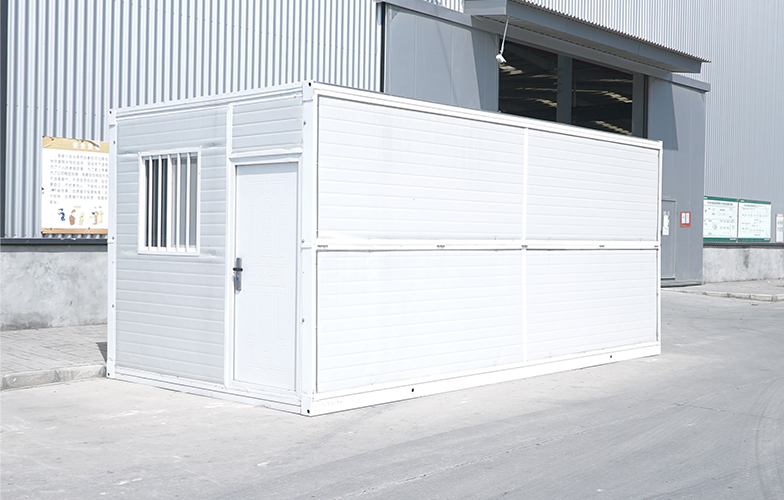
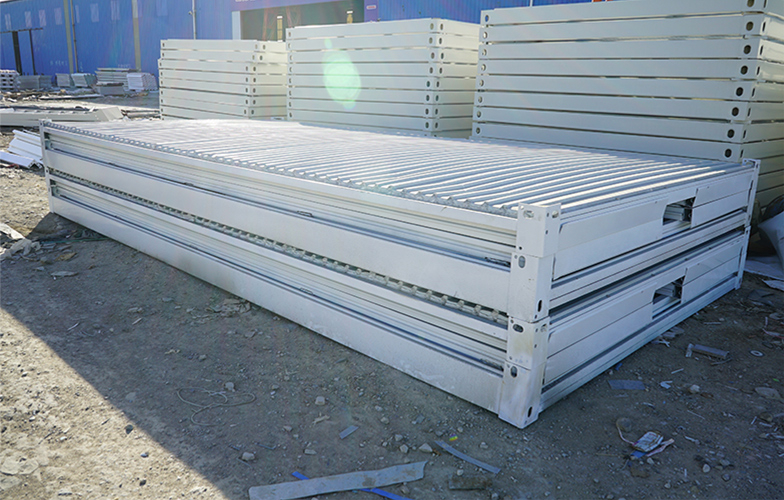
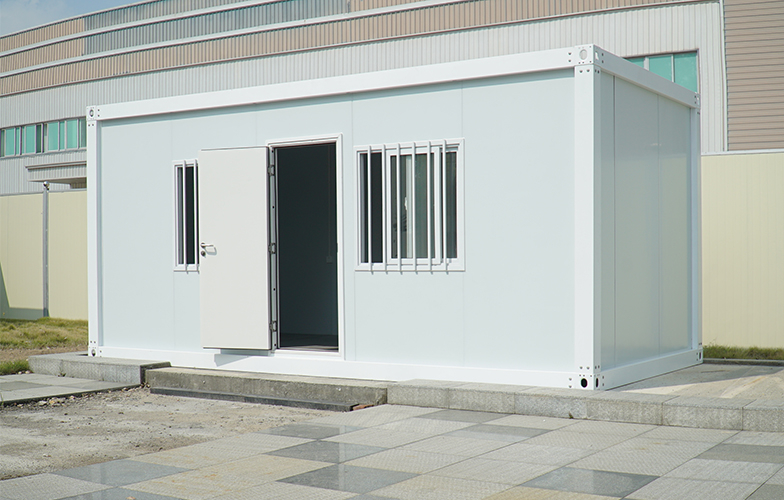
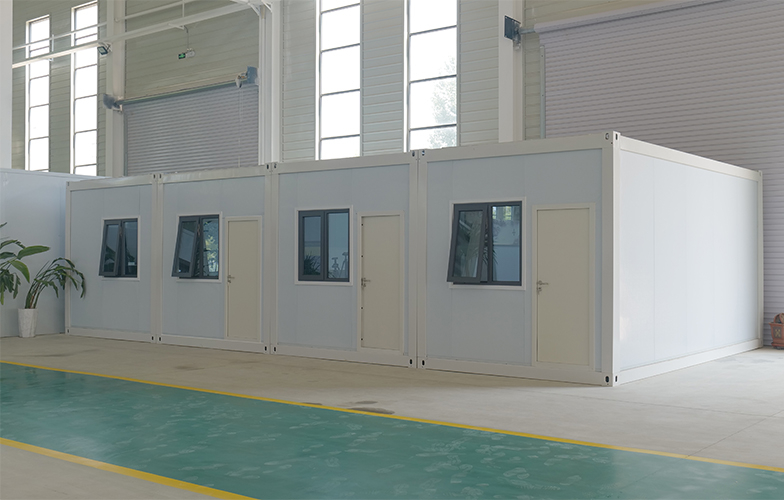
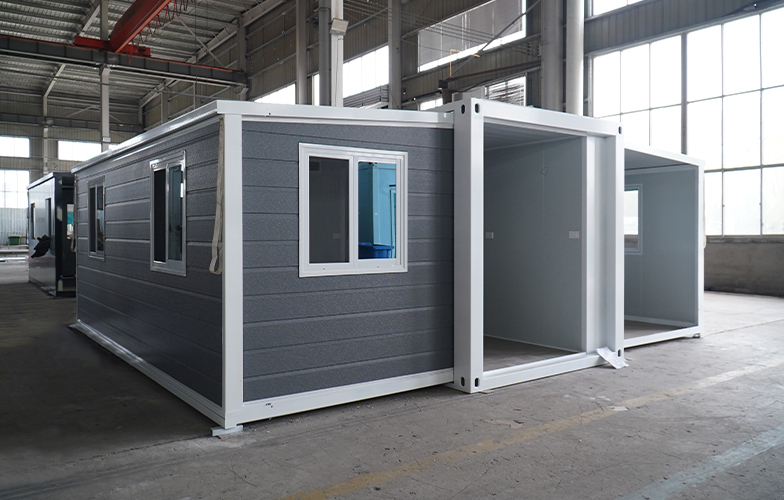
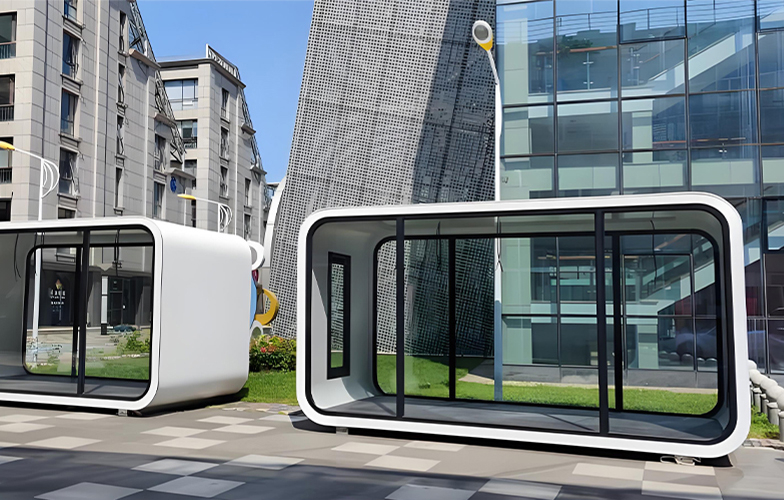
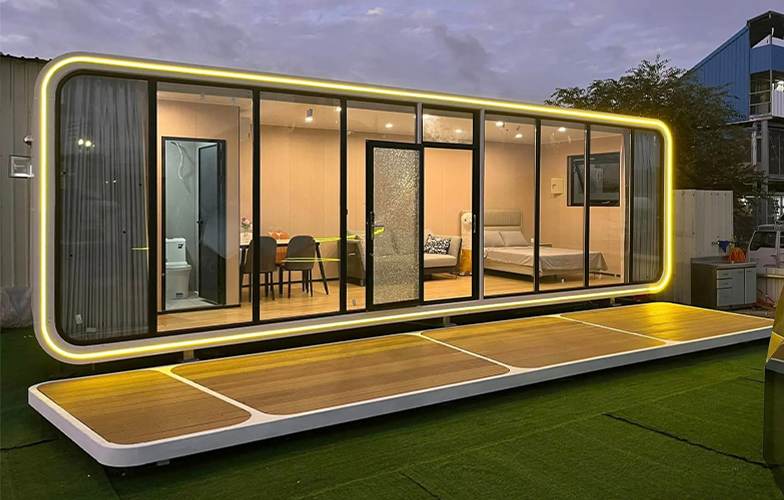
Modular and portable buildings — site offices, guard houses, container houses and modular rooms
Commercial interiors — partition walls, workshops, gyms and showrooms
Moderate-temperature facilities — ripening rooms, insulated storage above freezing (very low-temperature cold rooms should use PU cores)
The common thread: projects that need fast enclosure, reliable insulation and controlled budget, especially where the building is assembled from a steel frame.
Checklist Before You Buy EPS Panels
Confirm the required thickness and core density against your climate and the local insulation standard — do not simply copy a competitor's spec.
Check the steel substrate — coating type, zinc coating mass and thickness should match your environment (coastal and humid sites need more protection).
Verify fire classification against the building code — and ask the manufacturer for the test report, not just a marketing claim.
Plan the accessories — flashings, ridge caps, joint seals and fixings are where panels most often fail in service.
Ask for a sample and inspect the bond quality, profile geometry and coating finish before committing to a container.
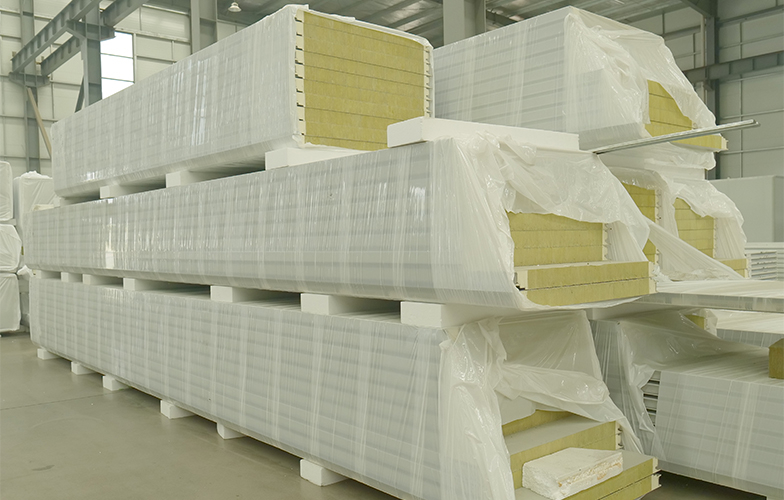
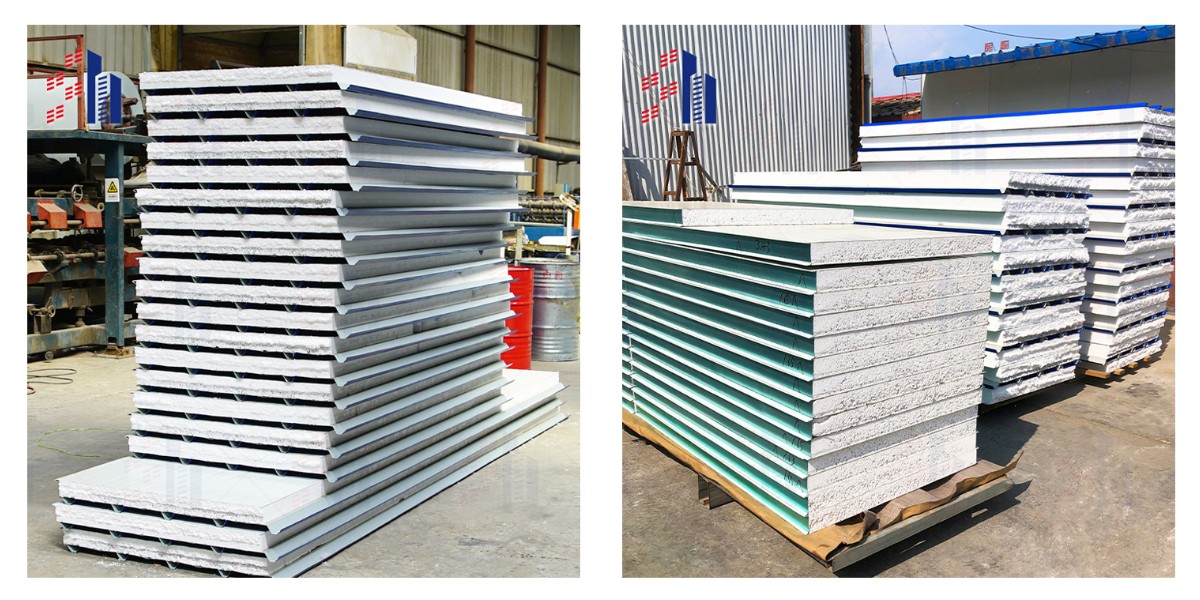
Clarify packaging for sea freight — EPS panels are light but bulky; good packaging prevents edge damage in transit.
Confirm lead time, MOQ and warranty in writing, and request the factory's quality documentation.
For reference, metal-faced insulated panels of this type are commonly manufactured to EN 14509 (factory-made metal-faced sandwich panels) — mention it when you talk to suppliers, and request their documentation so you can verify compliance for your market.
FAQ
Q: What is the difference between EPS and PU sandwich panels? A: Both are foam-core metal panels, but PU (polyurethane) insulates about 30–40% better per millimeter, so a thinner PU panel achieves the same U-value as a thicker EPS panel. PU is the standard choice for cold storage and freezers. EPS is lighter, noticeably cheaper, and fully adequate for most general building insulation.
Q: Are EPS sandwich panels fireproof? A: No. The EPS core is combustible. Flame-retardant grades exist and improve reaction to fire, but where building codes require non-combustible insulation (A1/A2), you must choose a mineral-wool-core panel. Always check your local code first.
Q: How long do EPS sandwich panels last? A: In normal industrial environments, insulated metal panels are commonly quoted with a service life of 20–30+ years. Actual lifespan depends mainly on the steel coating, climate and the quality of joints and flashings — coastal and chemically aggressive environments need better coatings.
Q: Can EPS sandwich panels be used for roofing? A: Yes. EPS panels are widely used as roof cladding on steel frames, provided the panel profile, thickness and support spacing match the local snow/wind load and the roof slope allows proper drainage. Confirm span limits with the manufacturer's engineering data.
Q: How do I get the right EPS sandwich panel for my project? A: Send your project details — building type, location (climate), required U-value or thickness, wall/roof area and coating color — to the supplier. A good manufacturer will recommend a spec, provide documentation, and confirm compliance requirements rather than selling you a one-size-fits-all panel.
Why Buy from SHANGHE?
SHANGHE is a China-based manufacturer of sandwich panels and prefabricated building systems, exporting insulated wall and roof panels, modular houses and related building materials to project buyers worldwide. Working directly with the factory gives you:
Customized specifications — core thickness, steel gauge, coating color and profile matched to your project
Direct pricing — factory pricing with clear MOQ, lead time and sea-freight packaging
Documentation support — test reports and factory quality documentation to help you verify compliance for your market
One-stop supply — panels, flashings and accessories from a single source to keep the build on schedule
Get a project quote: send your building type, location, required thickness/U-value and quantity to our export team, and we will respond with a specification recommendation and quotation.