How Long Does Exterior Siding Last? (Complete Lifespan Guide & Comparison)
When planning a home build, exterior renovation, or commercial facade upgrade, one of the most critical questions property owners and contractors ask is: How long does exterior siding last?
Exterior siding serves as your building's primary shield against rain, snow, ultraviolet (UV) radiation, and extreme temperature fluctuations. Selecting a material with the right balance of longevity, energy efficiency, and aesthetic appeal can save thousands of dollars in maintenance, energy bills, and premature replacement costs.
In this comprehensive guide, we break down the average lifespan of every major siding material, examine the key factors influencing durability, highlight warning signs that indicate it’s time for a replacement, and introduce modern high-performance solutions from SHANGHE.
⚡ Quick Summary: Average Siding Lifespan by Material
If you need a quick answer, here is how long common exterior siding materials typically last under standard maintenance and normal climate conditions:
Vinyl Siding: 20 – 40 years
Traditional Wood Siding: 20 – 40 years (requires repainting every 3–7 years)
Fiber Cement Siding: 30 – 50 years
Stucco: 50 – 80+ years
Brick & Stone Veneer: 75 – 100+ years
Modern Insulated Metal / PU Sandwich Siding (SHANGHE): 30 – 50+ years (minimal maintenance, built-in thermal insulation)
📊 Exterior Siding Lifespan & Performance Comparison Table
| Siding Material | Expected Lifespan | Maintenance Level | Weather & UV Resistance | Fire & Rot Resistance | Thermal Insulation (R-Value) |
|---|---|---|---|---|---|
| SHANGHE Insulated Metal Siding | 30 – 50+ Years | Very Low | Excellent (Aluzinc coating) | High (B1 Fire Rated / Anti-Rot) | Superior (Built-in High-Density PU Core) |
| Vinyl Siding | 20 – 30 Years | Low | Moderate (Can crack in freeze/thaw) | Moderate (Melts in high heat) | Poor (Requires separate foam backing) |
| Natural Wood Siding | 20 – 40 Years | High (Seal & paint every 3–5 yrs) | Moderate (Vulnerable to moisture) | Low (Flammable, susceptible to termites) | Moderate |
| Fiber Cement Siding | 30 – 50 Years | Moderate (Repaint every 10–15 yrs) | High (Heavy, impact resistant) | High (Non-combustible) | Low (Needs external insulation) |
| Traditional Stucco | 50 – 80 Years | Moderate (Inspect cracks) | Moderate to High (Needs dry foundation) | High | Low |
| Natural Brick / Stone | 75 – 100+ Years | Low (Occasional repointing) | Superior | Superior | Low |
🔍 Detailed Breakdown: Lifespan of Common Siding Materials
1. Modern Insulated Metal & PU Wall Panels (30 – 50+ Years)
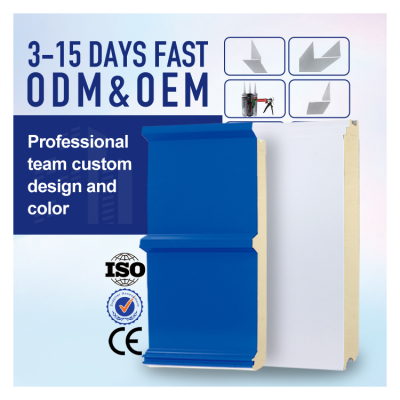
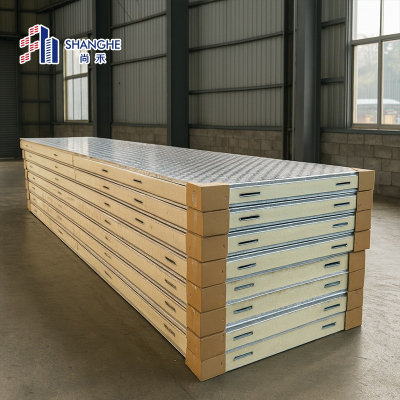
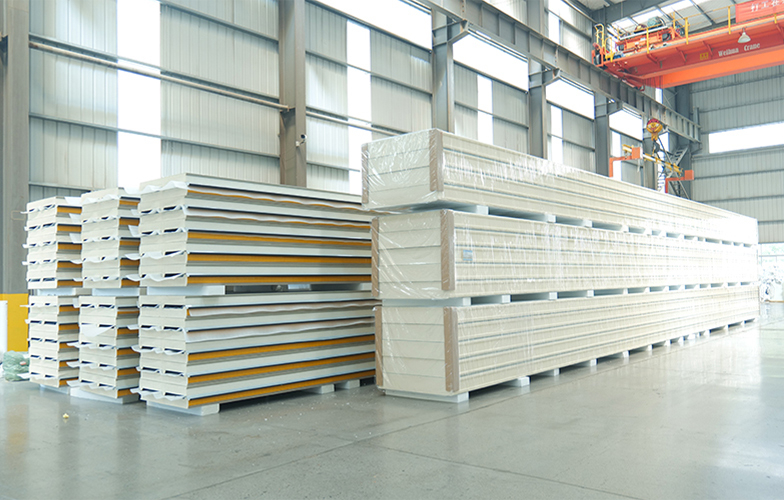
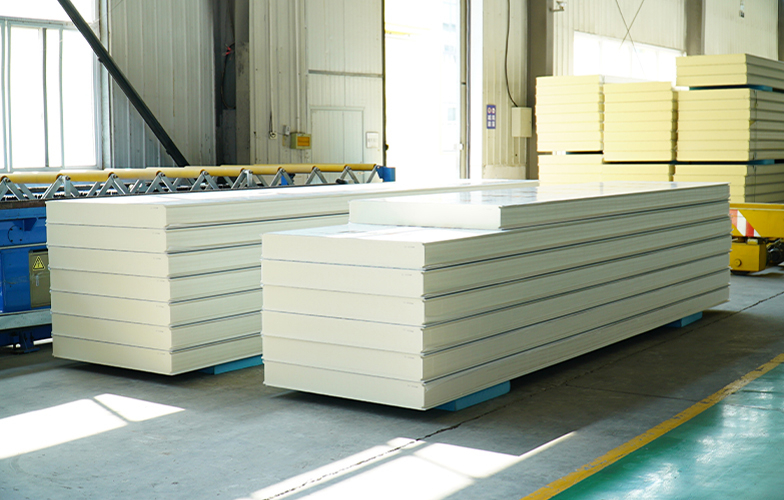
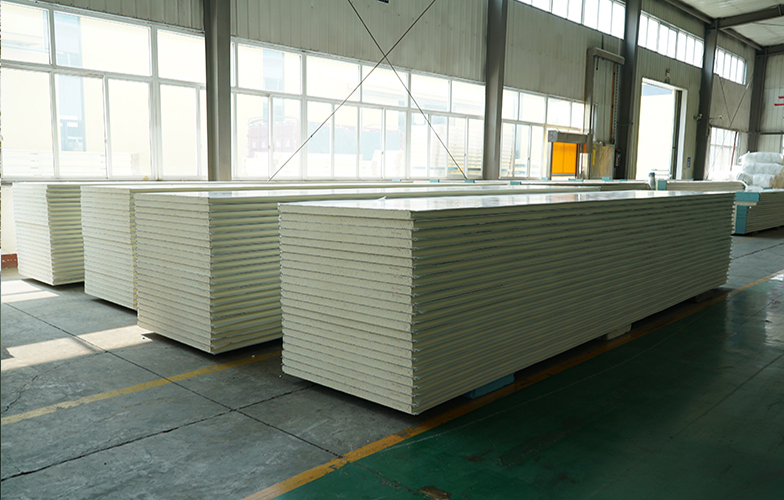
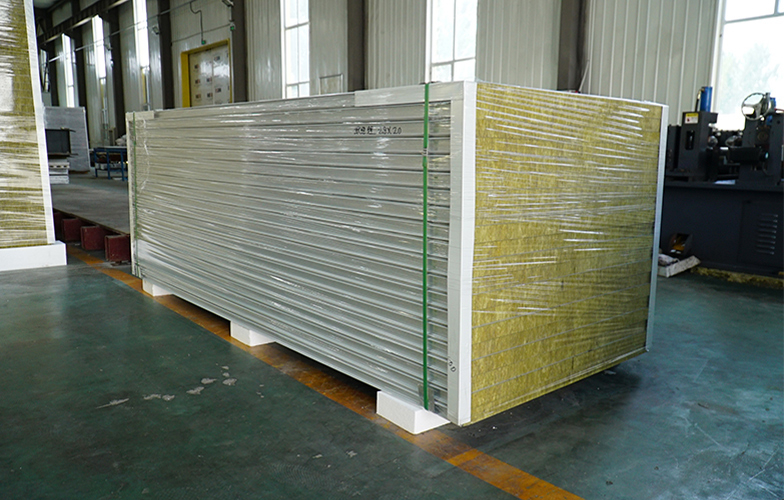
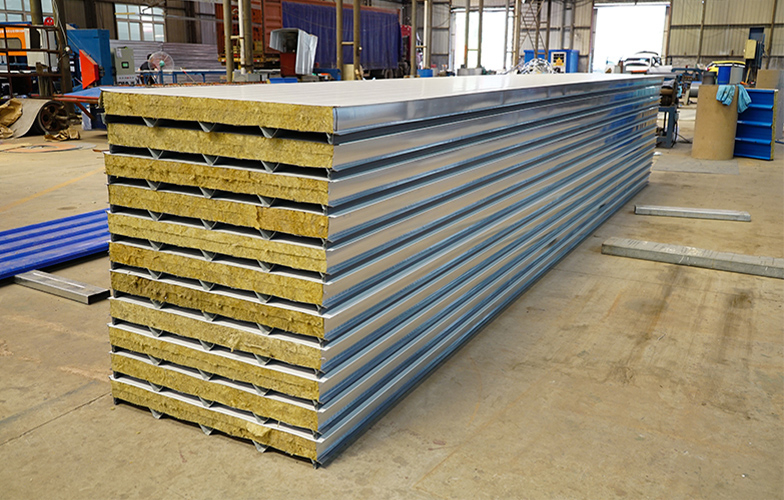
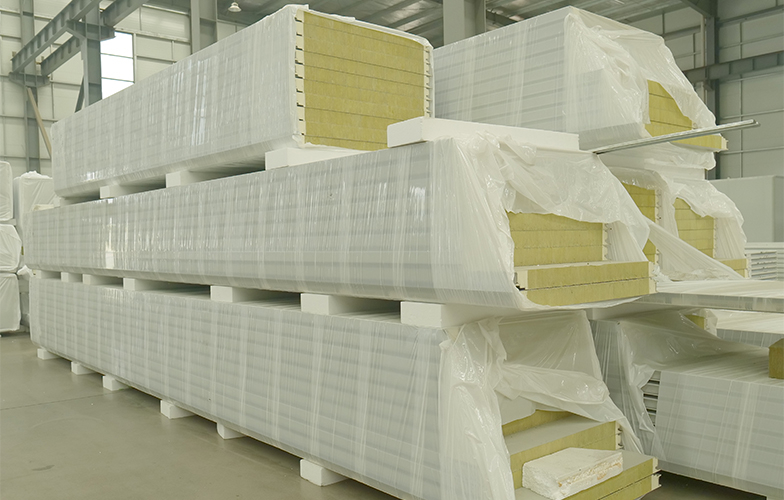
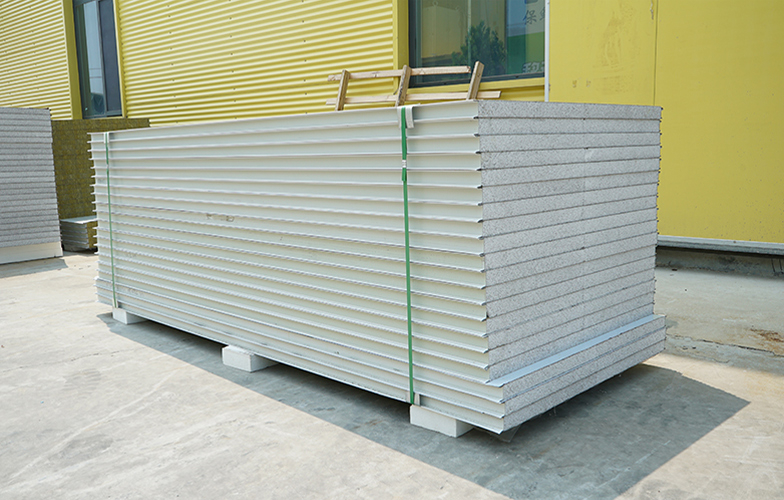
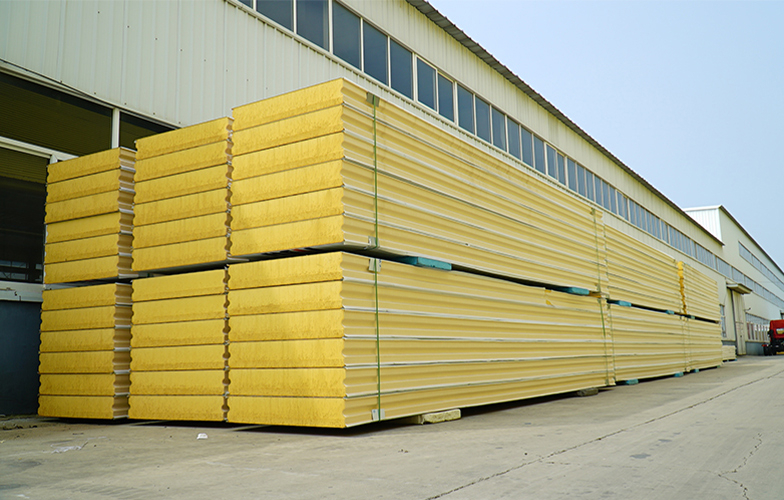
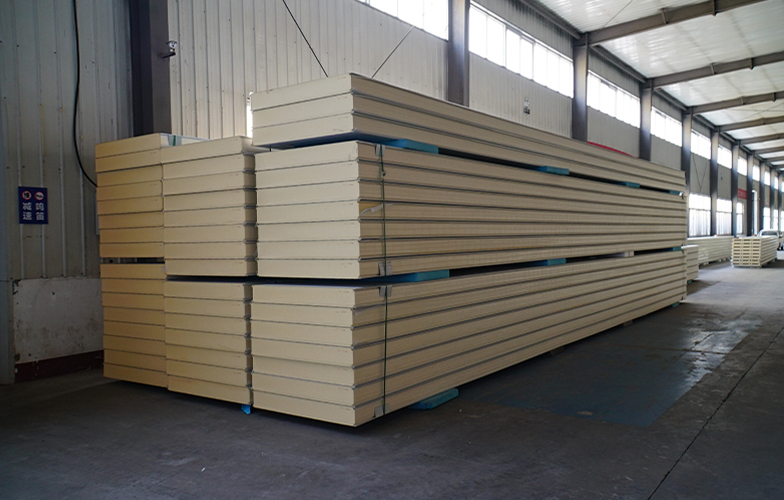
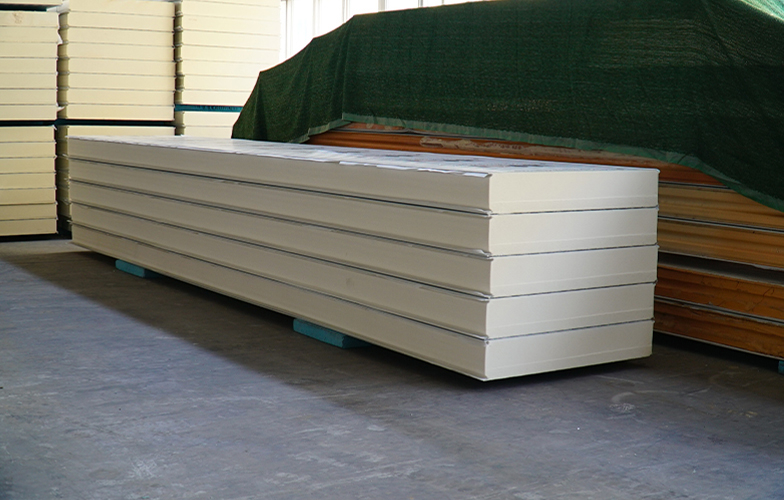
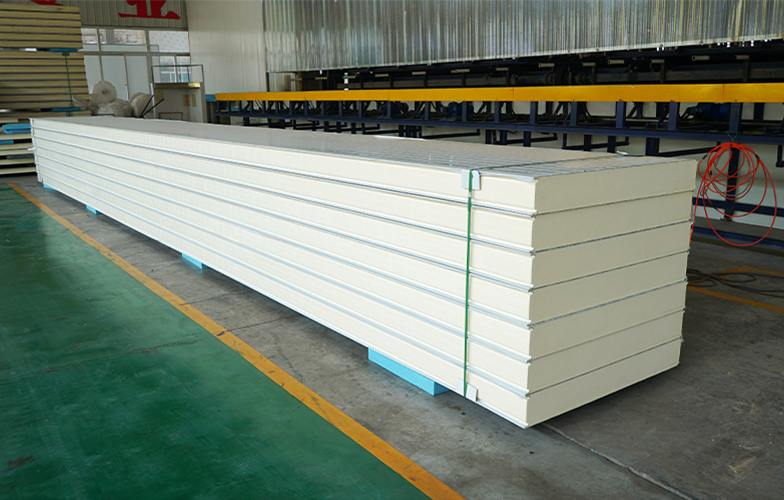
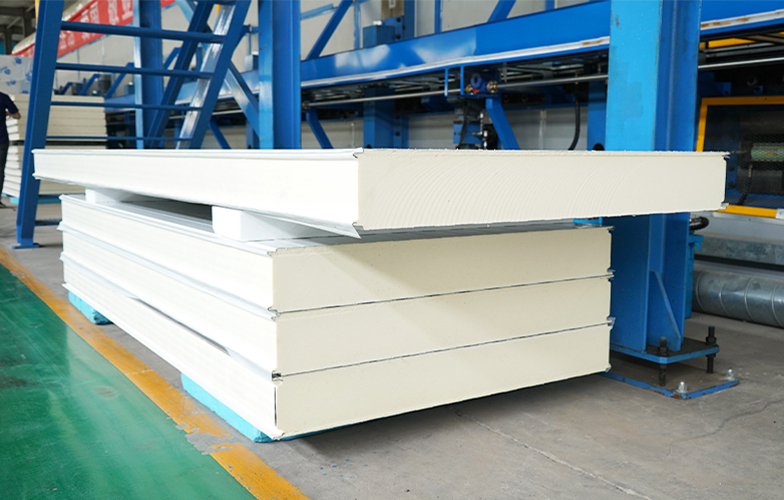
Modern insulated metal siding—such as SHANGHE Polyurethane (PU) Decorative Wall Panels—has rapidly become a preferred choice for residential, commercial, and modular architecture. Constructed with an aluminum-zinc alloy coated steel sheet surface, a high-density rigid polyurethane insulation core, and an aluminum foil backing, these panels deliver exceptional longevity.
Why it lasts: The metallic alloy surface resists rust, corrosion, fading, and pest infestation, while the closed-cell PU foam core prevents moisture absorption and mold growth.
Key advantage: It combines long-lasting exterior aesthetics with high-efficiency thermal insulation in a single, lightweight panel.
2. Vinyl Siding (20 – 40 Years)
Vinyl is one of the most widely used residential siding materials due to its affordability and low initial cost.
Strengths: Resists moisture, does not rot, and never requires painting.
Limitations: Prone to brittleness and cracking during severe winter freezes, warping under extreme direct heat, and color fading over 15–20 years.
3. Wood Siding (20 – 40 Years)
Cedar, pine, and redwood offer unmatched natural beauty and architectural charm.
Strengths: Highly customizable and biodegradable.
Limitations: Demands rigorous upkeep. Without regular sealing, staining, or painting every 3 to 7 years, wood is vulnerable to moisture rot, warping, woodpeckers, and termite damage.
4. Fiber Cement Siding (30 – 50 Years)
Composed of Portland cement, sand, and cellulose fibers, fiber cement is renowned for dimensional stability and fire resistance.
Strengths: Non-combustible, impervious to insects, and highly durable against wind-driven rain.
Limitations: Heavy installation process requiring specialized labor; caulking and surface paint still require periodic maintenance.
5. Brick and Stone Masonry (75 – 100+ Years)
Masonry is the gold standard for sheer structural permanence.
Strengths: Immune to fire, rot, termites, and harsh weather.
Limitations: Extremely high material and labor installation costs, coupled with potential mortar joint degradation (tuckpointing needed every 25–30 years).
🌦️ Key Factors That Affect Siding Longevity
Even the most durable siding material can fail prematurely if critical external and environmental factors are overlooked:
1. Climate & Environmental Exposure
UV Radiation & Heat: Continuous direct sunlight can degrade protective coatings and fade vibrant colors.
Freeze-Thaw Cycles: Water seeping behind panels expands when freezing, causing cracks and structural warping.
Coastal Air & Salt Spray: High humidity and salt accelerate oxidation on inferior metal finishes.
2. Quality of Installation & Moisture Barrier
Proper flashing, house wrap, and vapor barriers are paramount. Improper fastening or missing expansion gaps can lead to trapped moisture, mold buildup, and dry rot within exterior wall cavities.
3. Thermal Insulation & Core Protection
Traditional siding materials provide little to no thermal barrier on their own. Multi-layer composite siding, such as SHANGHE insulated panels, isolates the structural frame from temperature extremes, reducing expansion-contraction stress on the building envelope.
4. Regular Maintenance & Cleaning
Routine inspections and gentle power washing to remove airborne pollutants, mildew, and dirt protect the top protective finish and preserve aesthetic vibrancy.
⚠️ 5 Warning Signs It’s Time to Replace Your Siding
How do you know when your exterior siding is nearing the end of its useful life? Watch out for these red flags:
Visible Rot, Warping, or Cracking: Severe surface distortion compromises the waterproof envelope.
Peeling Interior Paint or Wallpaper: Moisture penetrating from compromised siding often damages interior drywall first.
Spiking Heating & Cooling Bills: If energy expenses are rising, older siding with degraded insulation is likely letting drafty air infiltrate your home.
Fungus, Mold, and Mildew Growth: Persistent organic growth indicates trapped dampness behind wall panels.
Frequent Repainting Fatigue: If wood or composite siding requires repainting every 2–3 years, the underlying material has likely reached its service limit.
🏆 Why Choose SHANGHE Insulated Exterior Siding for Long-Term Value?
When it comes to upgrading or installing new exterior siding, modern property owners demand maximum lifespan, energy savings, and zero maintenance headaches. SHANGHE delivers an innovative exterior cladding solution engineered for demanding architectural applications:
Triple-Layer Durability: Premium Al-Zn coated steel exterior + rigid closed-cell PU insulation core + reflective aluminum foil protective backing.
30–50+ Year Expected Lifespan: Engineered with high-grade weather-resistant fluorocarbon/polyester coatings that resist fading, chalking, and environmental weathering.
Superior Energy Efficiency: Outstanding thermal insulation (thermal conductivity ) significantly cuts HVAC operating costs.
B1 Fire Retardant & Moisture Proof: Self-extinguishing fire performance and zero water absorption ensure safety and structural integrity.
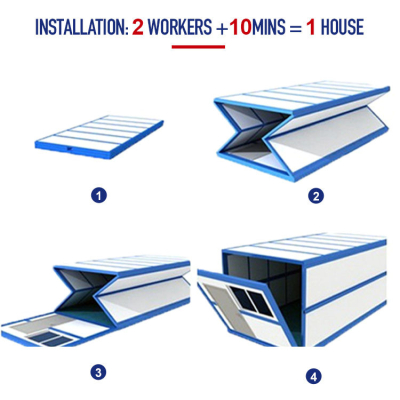
Fast & Lightweight Installation: Tongue-and-groove interlocking system speeds up installation by up to 50%, reducing contractor labor costs.
Versatile Aesthetic Finishes: Available in over 100+ patterns including wood grain, natural stone, brick texture, and modern architectural metallic finishes.
❓ Frequently Asked Questions (FAQ)
Q1: What type of exterior siding lasts the longest?
A: Natural masonry (brick and stone) lasts the longest at 75–100+ years. However, among modern, lightweight, and cost-effective cladding systems, SHANGHE insulated metal panels and fiber cement lead the market with a lifespan of 30 to 50+ years with virtually no maintenance required.
Q2: How often should exterior siding be inspected?
A: It is recommended to perform a visual inspection twice a year—ideally in spring and autumn—as well as immediately following severe storms or hailstorms.
Q3: Does replacing siding improve home energy efficiency?
A: Yes. Replacing outdated siding with insulated options like SHANGHE PU exterior wall panels provides a continuous insulation barrier that eliminates thermal bridging, reducing heating and cooling costs by up to 20%–35%.
Q4: Can SHANGHE siding panels be installed over existing siding?
A: In many renovation projects, SHANGHE lightweight panels can be directly installed over existing flat walls or furring strips, eliminating costly and messy demolition work.
🚀 Conclusion & Call to Action (CTA)
Understanding how long exterior siding lasts enables you to make a smart, cost-effective investment in your property's future. While traditional vinyl and wood offer baseline solutions, modern architecture leans heavily toward durable, insulated, and eco-friendly composite siding.
Ready to upgrade your building facade with long-lasting protection and modern elegance?
👉 Explore SHANGHE Exterior Siding Solutions Today!
Browse our extensive catalog of textures, wood grains, and architectural colors.
Request Free Material Samples and technical data sheets.
Contact our engineering team for customized project quotations and wholesale pricing.