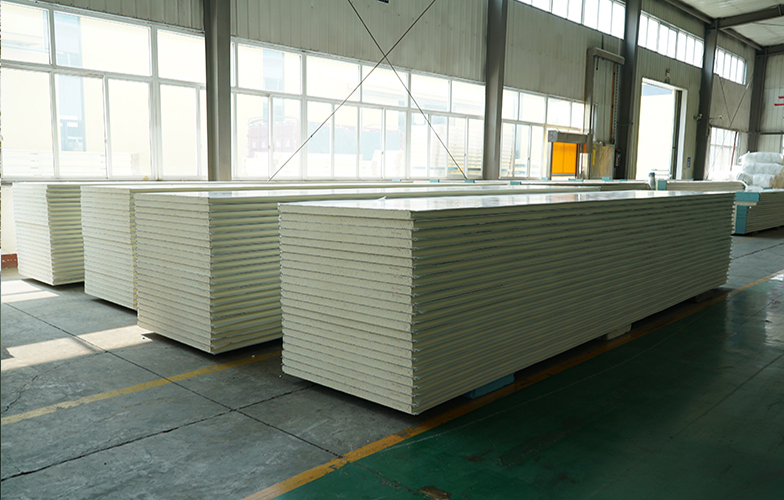
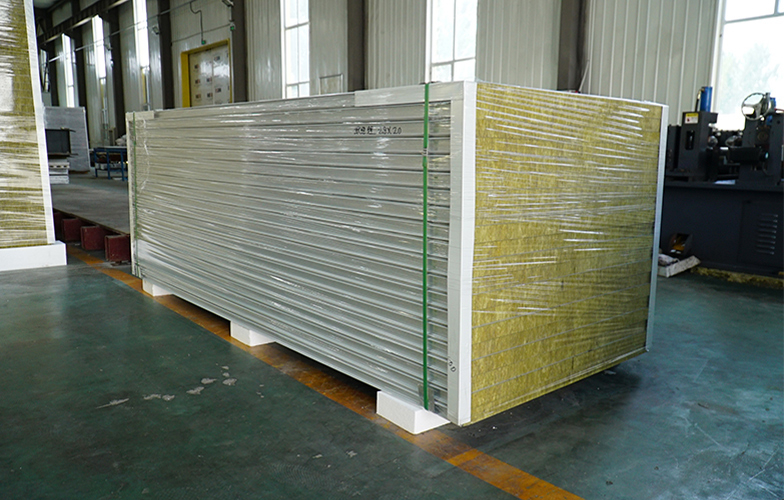
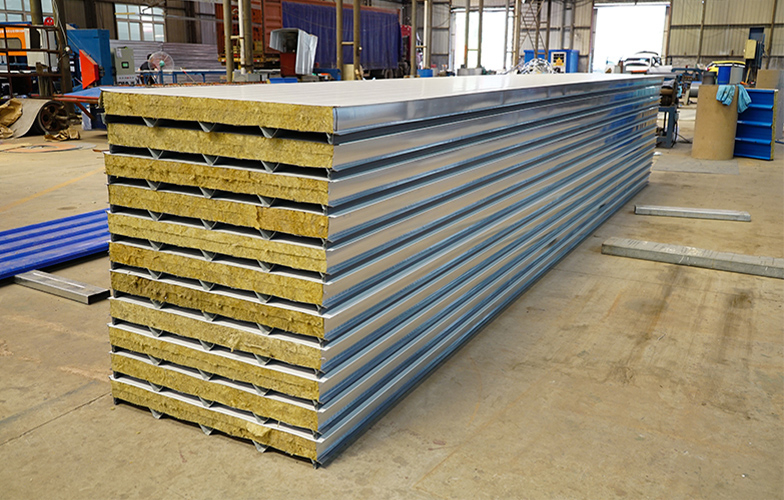
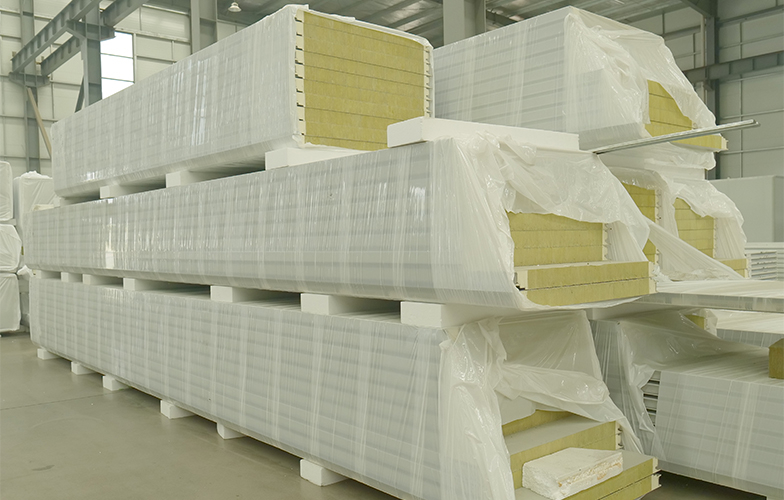
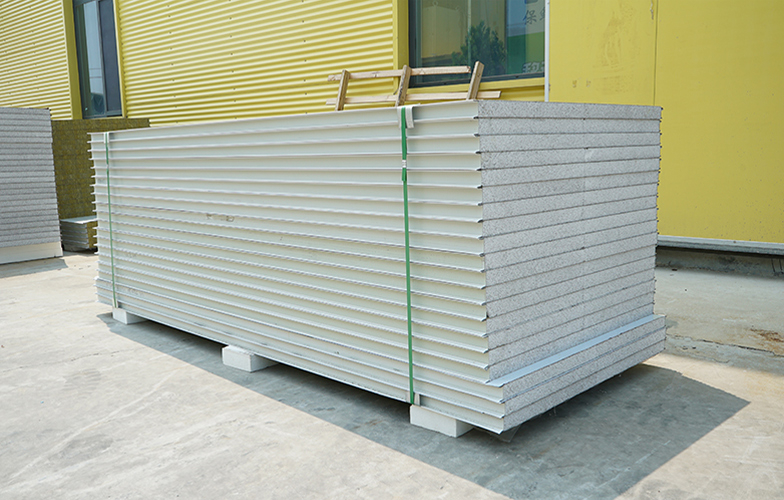
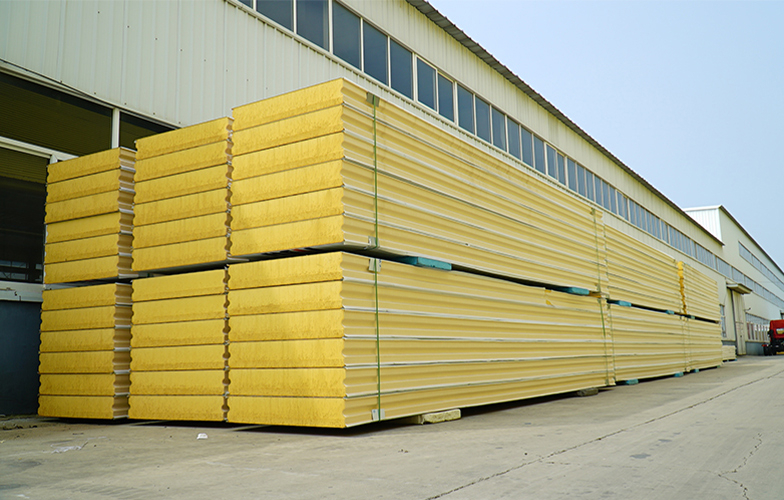
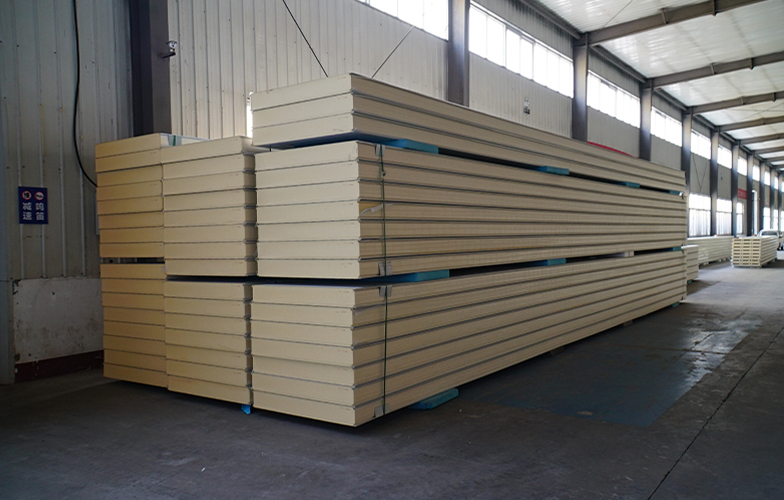
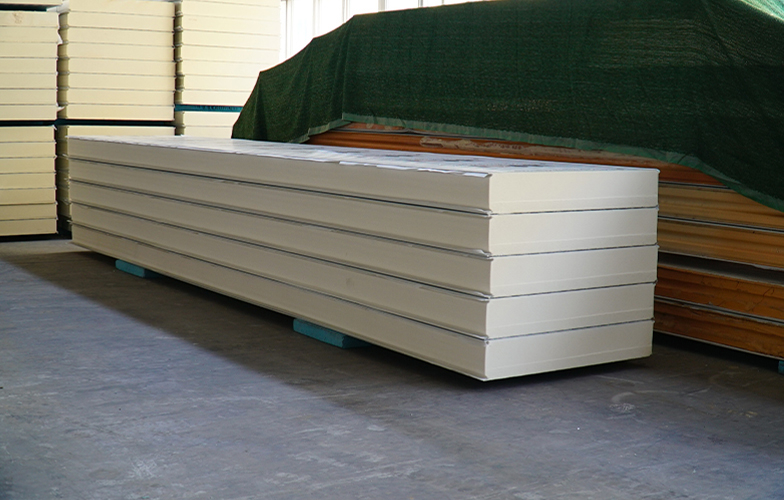
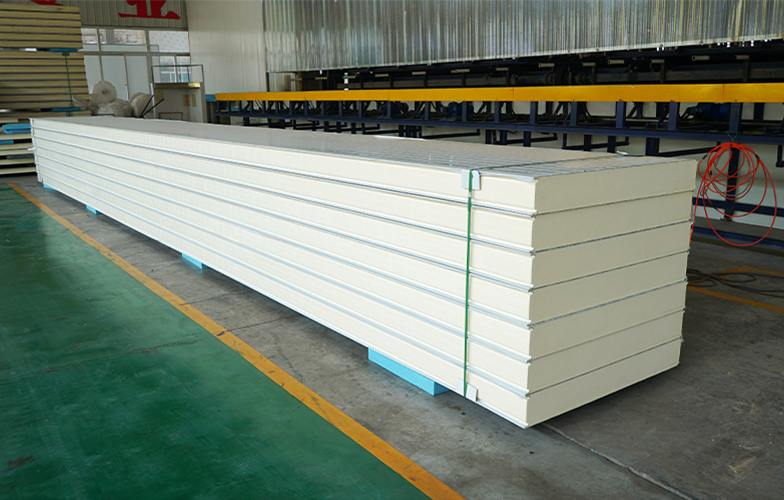
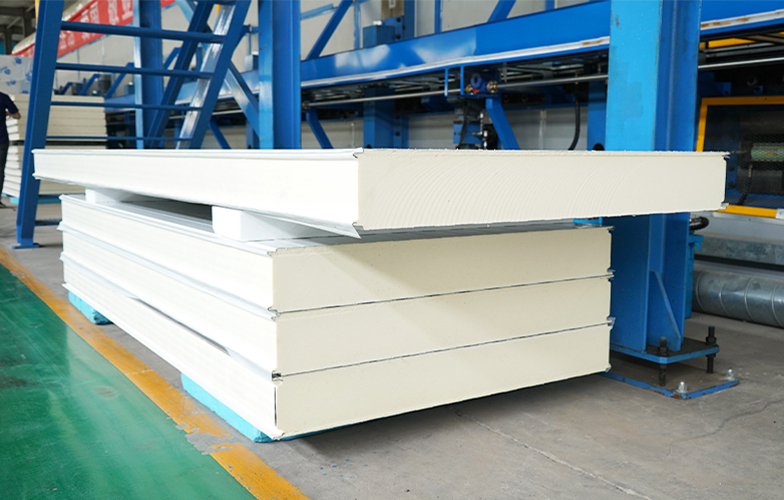
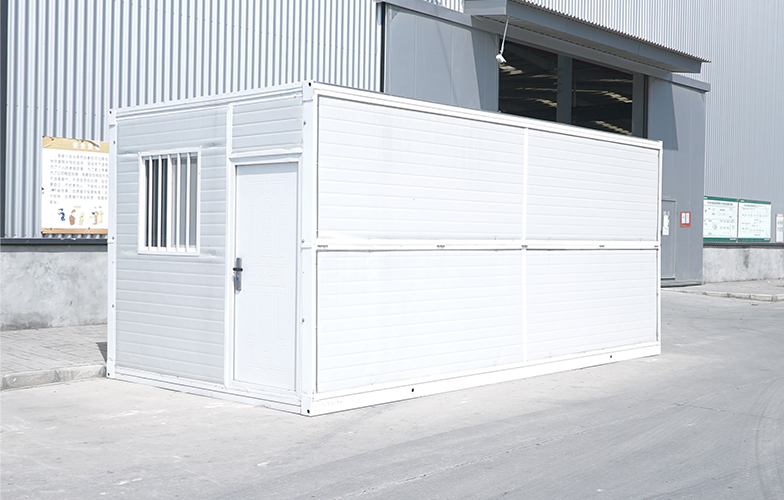
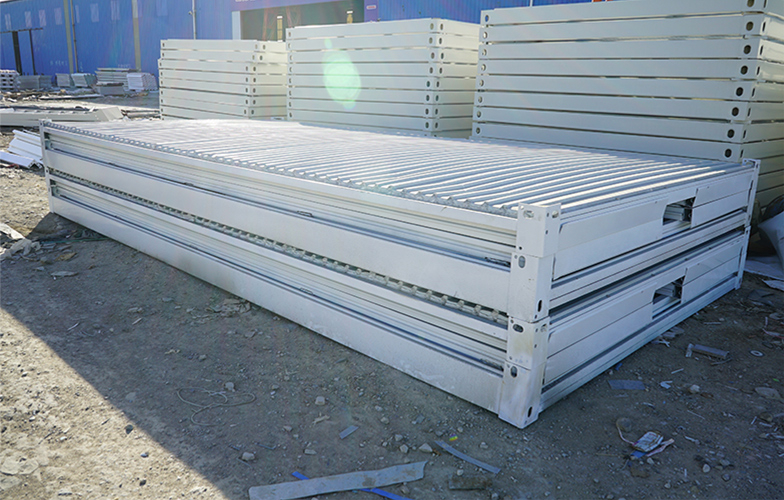
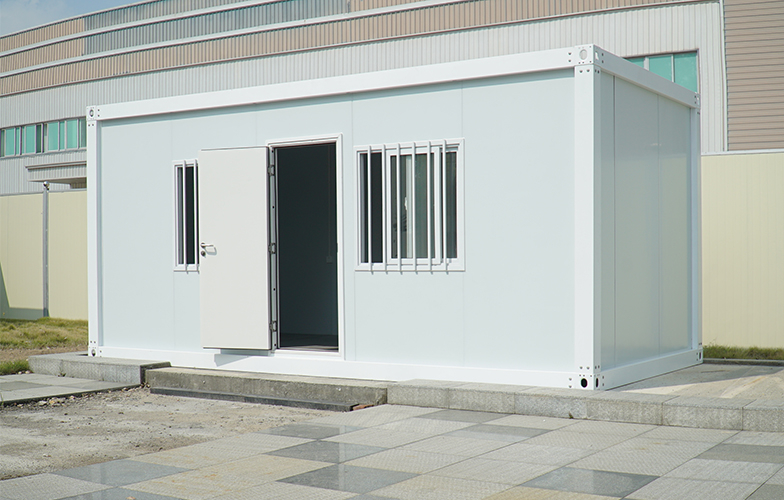
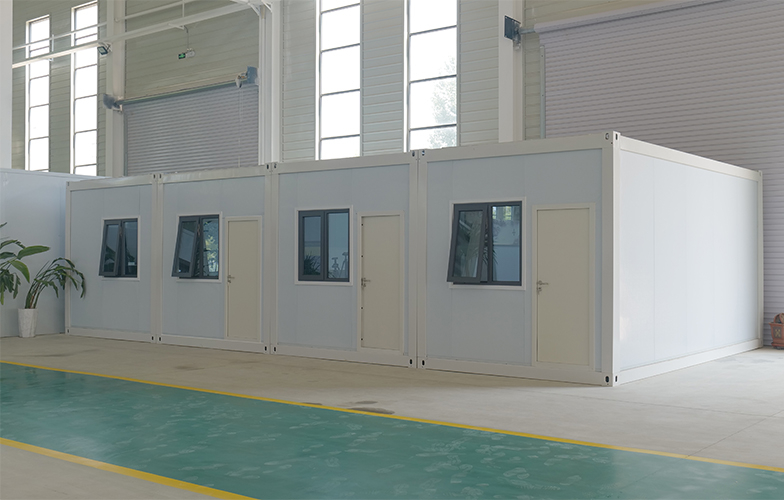
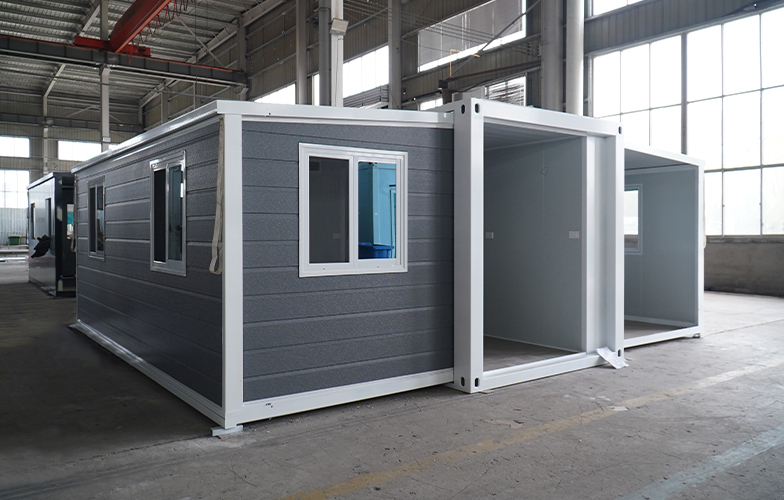


Sandwich Panel Thickness Options
Sandwich Panel Thickness Options: A Complete Guide for B2B Buyers
In today’s global construction and industrial sectors, sandwich panels have become a preferred building material due to their excellent insulation, lightweight structure, and cost efficiency. Among all purchasing considerations, sandwich panel thickness options play a critical role in determining thermal performance, structural strength, and overall project cost.
For international B2B buyers—contractors, distributors, and project developers—understanding how to select the right thickness is essential to achieving both performance and budget goals.
Why Sandwich Panel Thickness Matters
The thickness of a sandwich panel directly affects three key aspects:
Thermal Insulation Performance
Thicker panels provide better insulation. For example, increasing thickness from 50mm to 100mm can significantly reduce heat transfer, making it ideal for cold storage or temperature-controlled environments.
Structural Strength
Thicker sandwich panels offer higher load-bearing capacity and improved wind resistance, especially for roofing applications in industrial buildings.
Cost Efficiency
While thicker panels cost more per square meter, they can reduce long-term energy consumption, offering better ROI over time.
Common Sandwich Panel Thickness Options
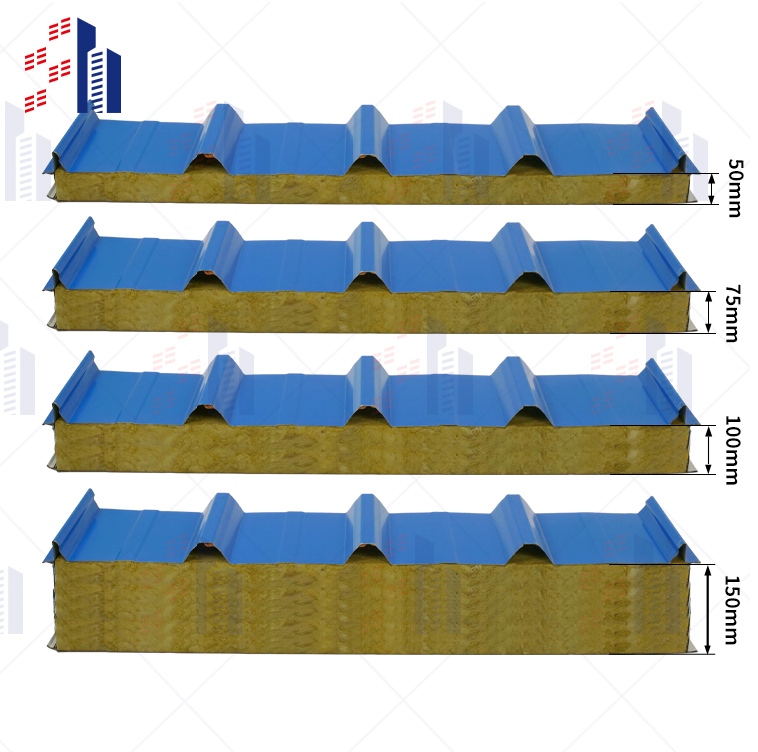
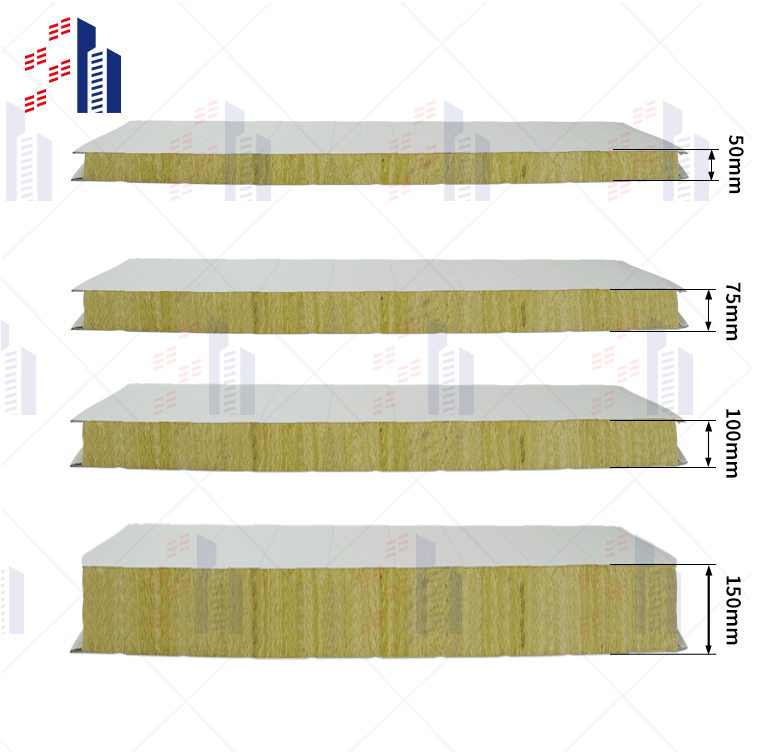
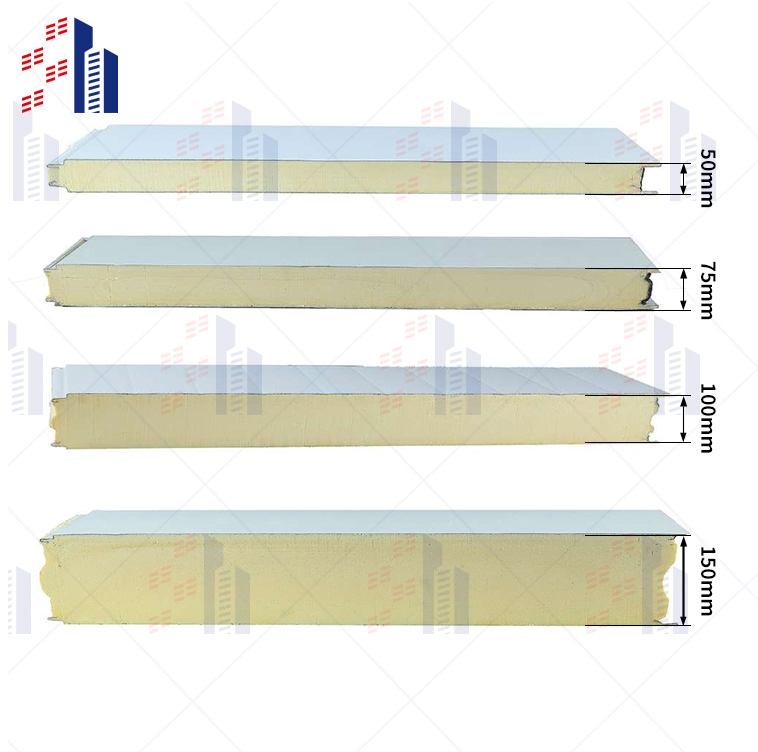
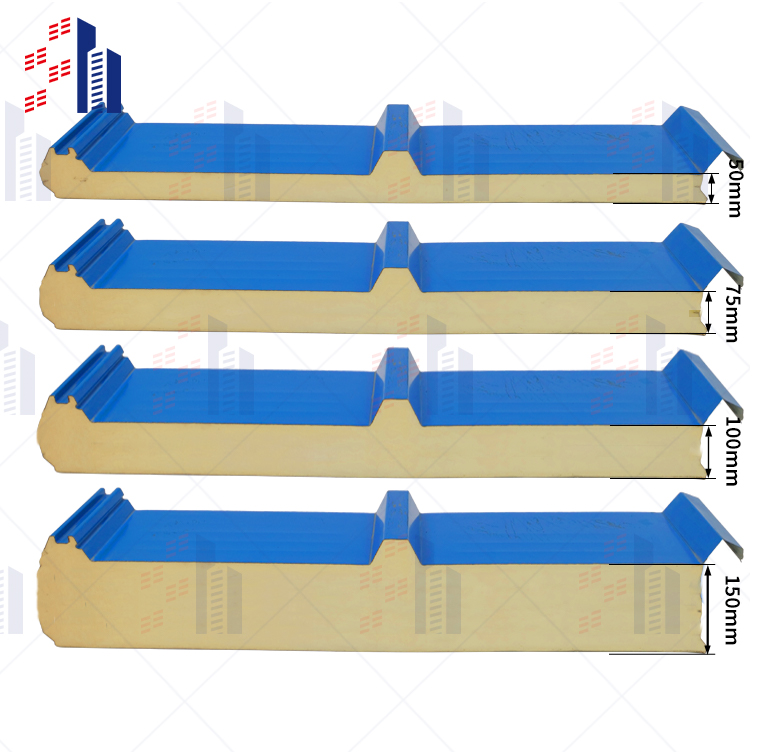
Different industries require different specifications. Below are the most commonly used sandwich panel thickness options in global markets:
50mm Sandwich Panel
Application: Temporary buildings, partition walls
Advantage: Lightweight, cost-effective
Limitation: Lower insulation performance
75mm Sandwich Panel
Application: Warehouses, workshops
Advantage: Balanced cost and insulation
Popular in developing markets with moderate climate
100mm Sandwich Panel
Application: Industrial buildings, cold rooms
Advantage: Strong insulation and structural stability
One of the most widely used thicknesses globally
150mm Sandwich Panel
Application: Cold storage, pharmaceutical facilities
Advantage: Excellent thermal performance
Ideal for extreme temperature conditions
200mm Sandwich Panel
Application: Deep freezing storage, specialized projects
Advantage: Maximum insulation efficiency
Higher upfront cost but superior long-term savings
Core Materials and Thickness Impact
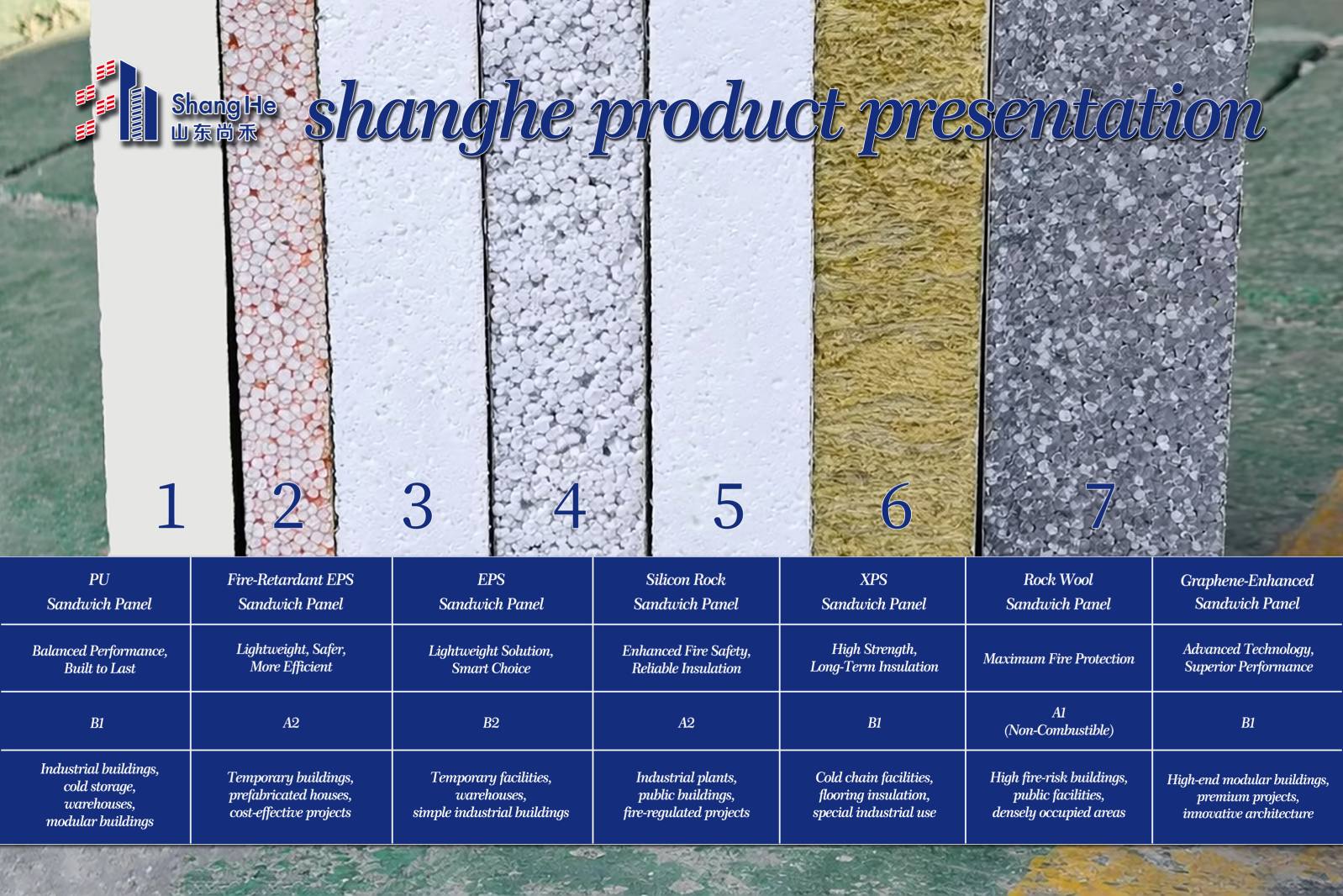
The effectiveness of sandwich panel thickness also depends on the core material:
PU (Polyurethane) Sandwich Panels
Thermal conductivity: very low (high insulation efficiency)
Requires thinner thickness to achieve the same insulation as other materials
Rock Wool Sandwich Panels
Fire resistance: excellent
Typically requires greater thickness for insulation compared to PU
EPS Sandwich Panels
Cost-effective solution
Lower insulation performance, often needs increased thickness
This is why buyers searching for sandwich panel thickness options often compare both thickness and core material together.
Market Trends and Industry Insights
According to global construction material trends, the demand for energy-efficient buildings is driving the adoption of thicker sandwich panels, especially in:
Cold chain logistics
Modular construction
Green building projects
In Europe and North America, stricter energy regulations are pushing projects toward 100mm–200mm thickness ranges. Meanwhile, Southeast Asia and Africa still show strong demand for 50mm–75mm panels due to cost sensitivity.
Additionally, prefabricated building solutions are accelerating the need for optimized sandwich panel thickness options that balance transport efficiency and performance.
Manufacturing and Customization Process
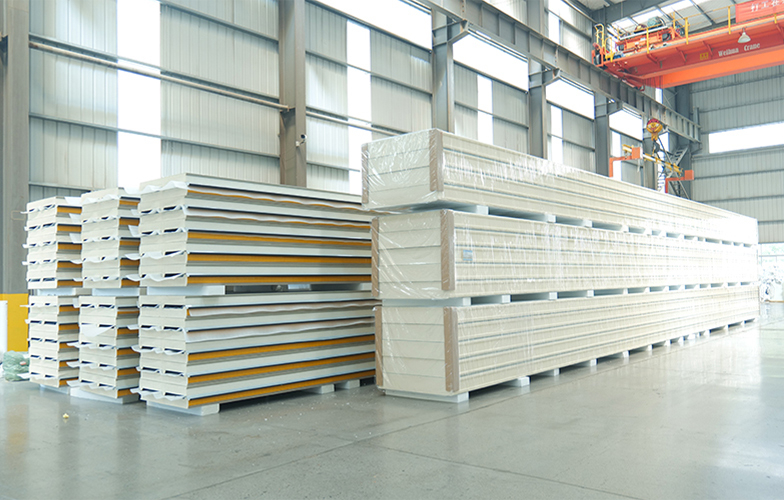
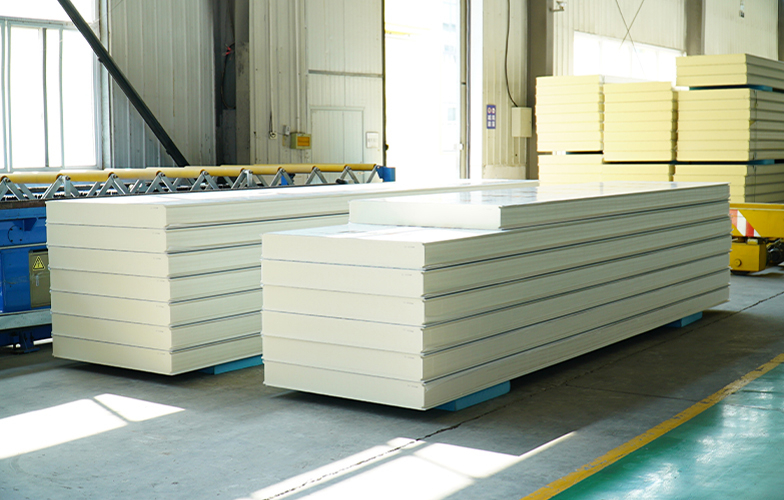
Modern sandwich panel production lines allow precise control over thickness and density. The typical process includes:
Steel sheet profiling and coating
Core material injection or placement
Continuous lamination under pressure
Cutting into customized panel sizes
Many manufacturers now offer custom sandwich panel thickness options, allowing buyers to tailor panels based on project-specific requirements such as:
Climate conditions
Building type
Load requirements
Budget constraints
How to Choose the Right Thickness
When selecting sandwich panel thickness options, B2B buyers should consider:
Climate Conditions
Hot regions → thicker panels for insulation
Cold regions → higher thickness for energy efficiency
Application Type
Wall panels vs roofing panels
Temporary vs permanent structures
Budget vs Lifecycle Cost
Lower thickness reduces initial cost
Higher thickness reduces long-term energy expenses
Compliance Standards
Ensure the panel meets local fire, insulation, and structural standards.
FAQ: Sandwich Panel Thickness Options
1. What is the most popular sandwich panel thickness?
100mm is the most widely used option due to its balance of insulation, strength, and cost.
2. How does thickness affect price?
Price increases with thickness, but thicker panels reduce energy costs over time, improving overall value.
3. Can I customize sandwich panel thickness?
Yes, most manufacturers provide customized sandwich panel thickness options based on project requirements.
4. Which thickness is best for cold storage?
Typically 100mm–200mm, depending on temperature requirements and insulation standards.
Conclusion: Optimize Your Project with the Right Thickness
Choosing the right sandwich panel thickness is not just a technical decision—it directly impacts your project’s efficiency, durability, and profitability. With a wide range of sandwich panel thickness options available, B2B buyers can tailor solutions to meet specific construction needs.
If you are planning a project and need expert guidance on selecting the optimal sandwich panel thickness, working with an experienced manufacturer can help you reduce costs while ensuring performance.
Get Professional Support Today
Looking for the best sandwich panel thickness options for your next project?
Contact our team for customized solutions, technical support, and competitive pricing tailored to your market and application needs.