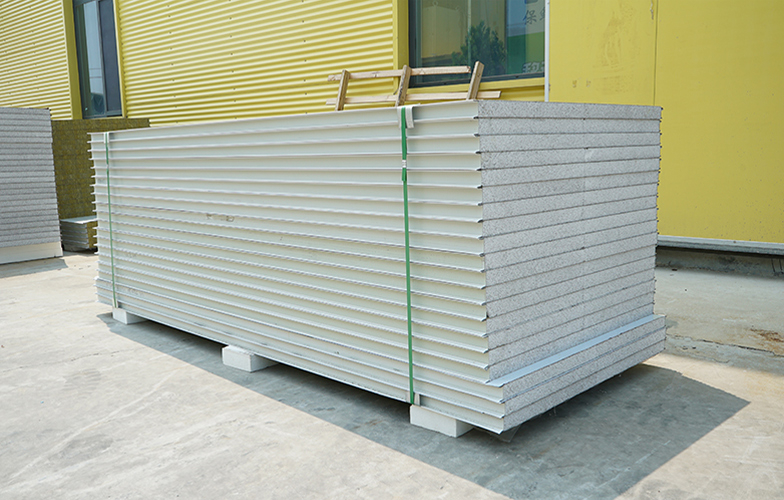
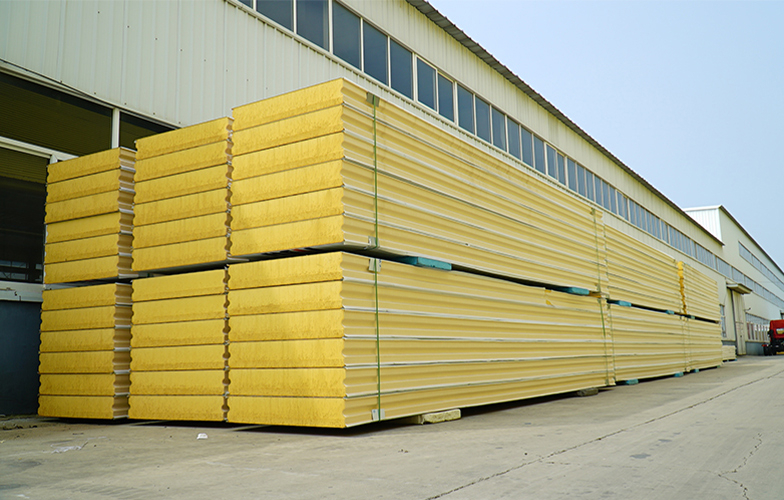
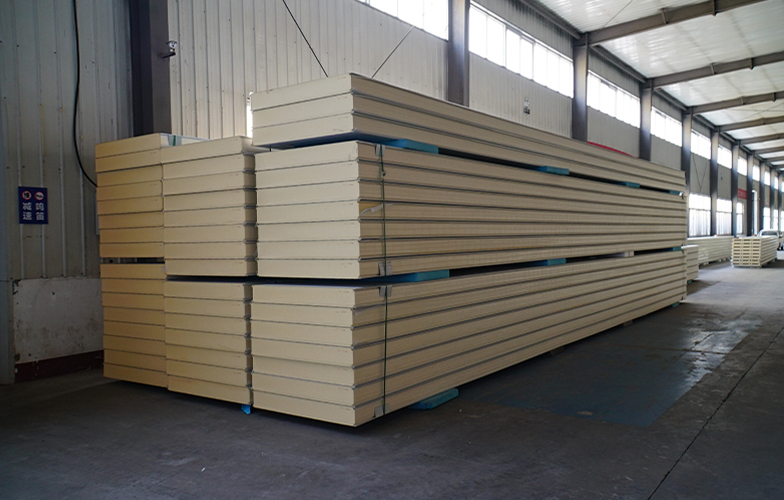
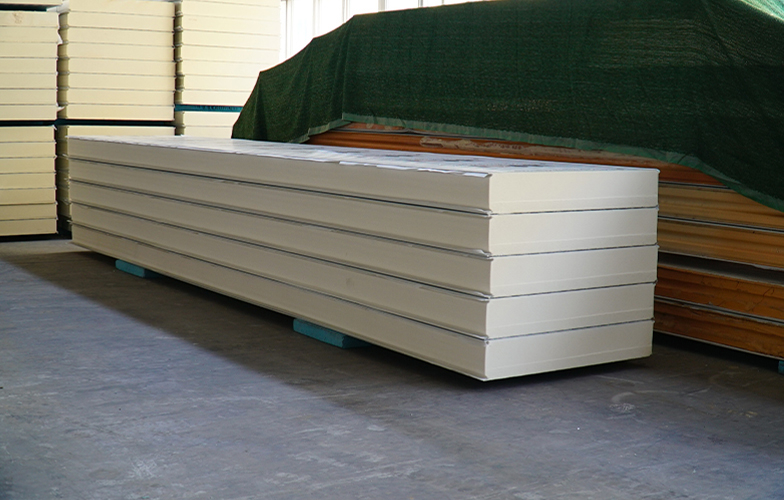
What Is PU Sandwich Panel
What Is PU Sandwich Panel? A Complete Guide for Global Construction Buyers
As energy-efficient building solutions continue to gain importance worldwide, the demand for high-performance insulation materials has grown rapidly. Among the most widely used construction materials today, PU sandwich panels have become a preferred choice for industrial, commercial, and prefabricated building projects.
But what is PU sandwich panel, and why has it become such an important component in modern construction?
This article provides a comprehensive overview of PU sandwich panels, including their structure, manufacturing process, advantages, applications, market trends, and key considerations for international buyers.
Understanding What Is PU Sandwich Panel
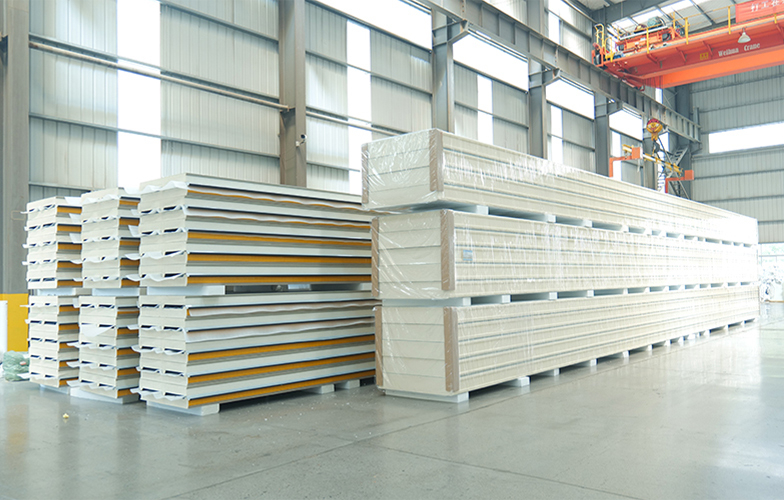
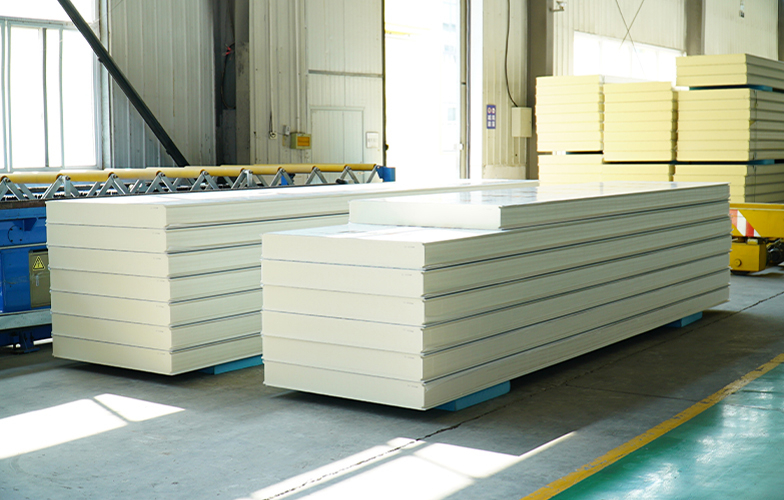
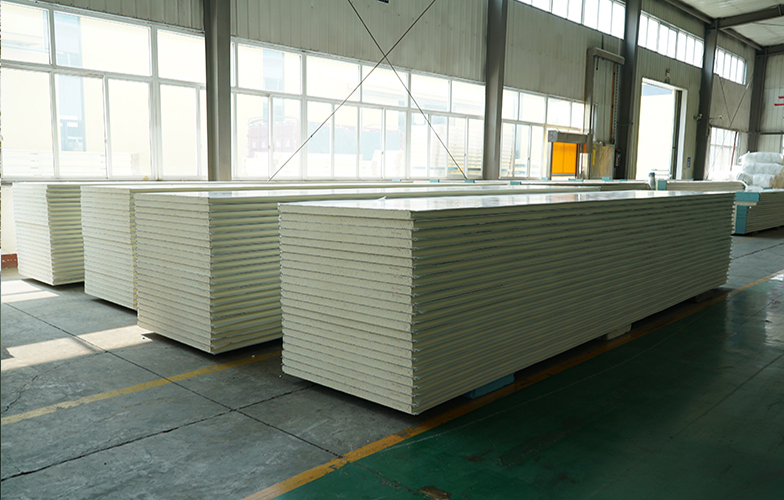
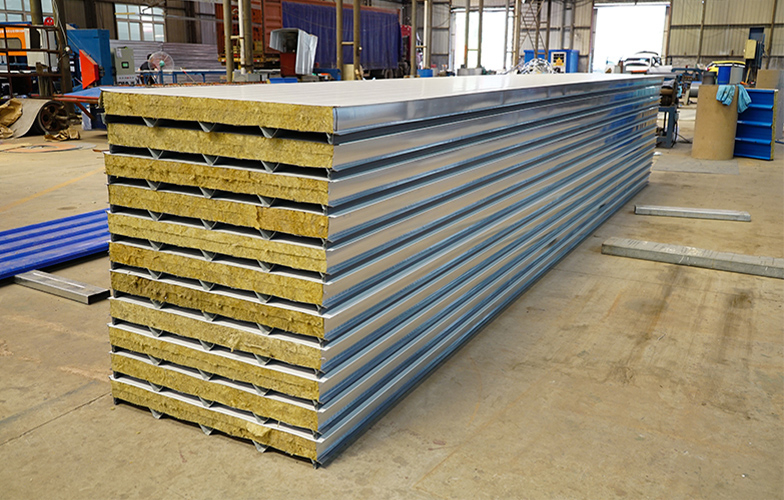
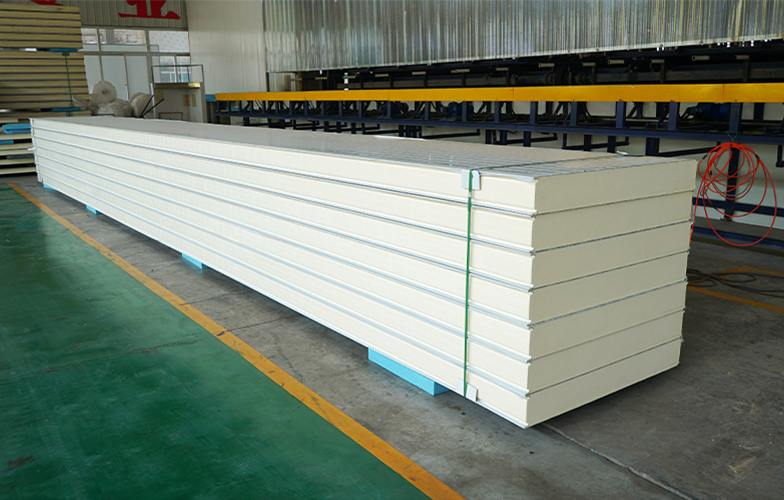
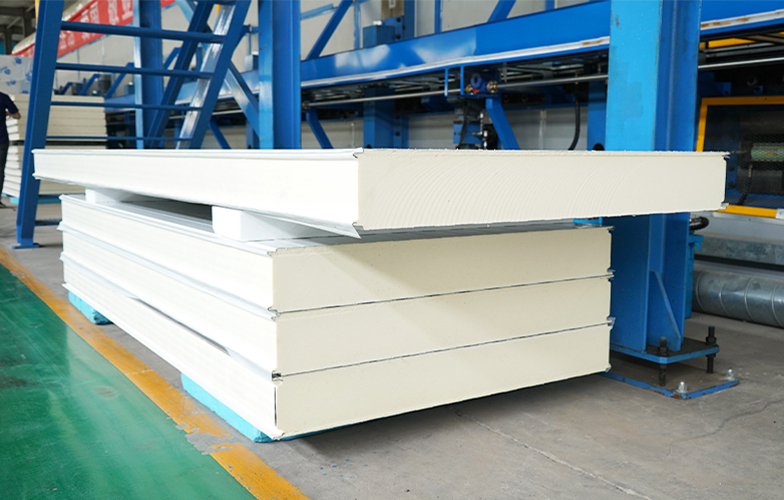
A PU sandwich panel, also known as a polyurethane sandwich panel, is a composite building material consisting of three layers:
Outer steel sheet
Polyurethane (PU) foam core
Inner steel sheet
The polyurethane foam core is injected between two metal sheets under high pressure and temperature, creating a lightweight yet highly durable insulated panel.
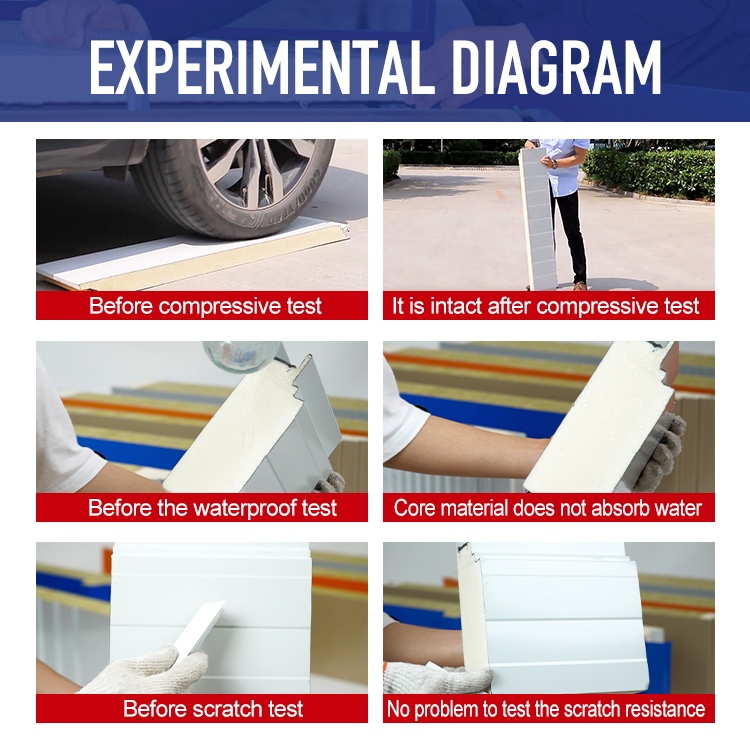
The unique sandwich structure combines excellent thermal insulation, structural strength, moisture resistance, and fast installation performance, making PU sandwich panels widely used in modern construction projects.
Main Components of a PU Sandwich Panel
1. Steel Facing Sheets
The outer layers are typically made from:
Pre-painted galvanized steel (PPGI)
Galvalume steel
Aluminum sheets
Stainless steel
These metal facings provide mechanical strength and weather resistance.
2. Polyurethane Foam Core
The PU foam core serves as the insulation layer and is known for:
Low thermal conductivity
High insulation efficiency
Lightweight structure
Excellent bonding properties
Most high-quality PU sandwich panels achieve thermal conductivity values as low as 0.022–0.024 W/m·K.
Why PU Sandwich Panels Are Becoming Popular Worldwide
The global construction industry is under increasing pressure to reduce energy consumption and carbon emissions. Governments and developers are actively seeking building materials that improve energy efficiency while lowering long-term operating costs.
PU sandwich panels address these challenges by offering superior insulation performance compared with many traditional construction materials.
Key Market Drivers
Several factors are driving the growth of the polyurethane foam sandwich panel market:
Increasing demand for energy-efficient buildings
Growth of cold storage and logistics facilities
Expansion of prefabricated construction projects
Rising labor costs requiring faster installation methods
Government regulations promoting green building standards
According to industry reports, the global insulated sandwich panel market continues to expand steadily due to rapid industrialization and infrastructure development across Asia-Pacific, the Middle East, Africa, and Latin America.
Advantages of PU Sandwich Panels
Understanding the benefits of PU sandwich panels helps buyers evaluate whether they are suitable for their projects.
Excellent Thermal Insulation
One of the biggest advantages of PU sandwich panels is their exceptional thermal performance.
Compared with traditional brick walls, PU panels provide significantly higher insulation while requiring less thickness.
Benefits include:
Reduced heating and cooling costs
Improved indoor temperature stability
Better energy efficiency ratings
Lightweight but Strong
Despite their lightweight design, polyurethane sandwich panels offer impressive structural strength.
This allows:
Reduced building load
Lower transportation costs
Easier installation
Faster project completion
Moisture and Water Resistance
The closed-cell structure of polyurethane foam minimizes water absorption and helps prevent moisture-related issues.
This makes PU sandwich panels suitable for:
Humid climates
Coastal regions
Cold storage facilities
Food processing plants
Fast Installation
Factory-produced PU sandwich panels arrive ready for installation.
This reduces:
Construction time
Labor requirements
On-site material waste
For many prefabricated building projects, installation can be completed several times faster than conventional construction methods.
Long Service Life
High-quality PU sandwich panels are designed to withstand:
UV exposure
Corrosion
Wind loads
Temperature fluctuations
With proper maintenance, many installations achieve service lives exceeding 20 years.
How PU Sandwich Panels Are Manufactured
Understanding the PU sandwich panel manufacturing process can help buyers evaluate product quality.
Step 1: Steel Coil Preparation
Pre-painted galvanized steel coils are cleaned, profiled, and prepared for production.
Step 2: PU Foam Injection
Polyurethane raw materials are mixed and injected between two steel sheets.
Step 3: Continuous Laminating
The panel passes through a continuous production line where pressure and temperature ensure proper bonding.
Step 4: Curing Process
The foam expands and cures, creating a strong connection between the metal facings and insulation core.
Step 5: Cutting and Packaging
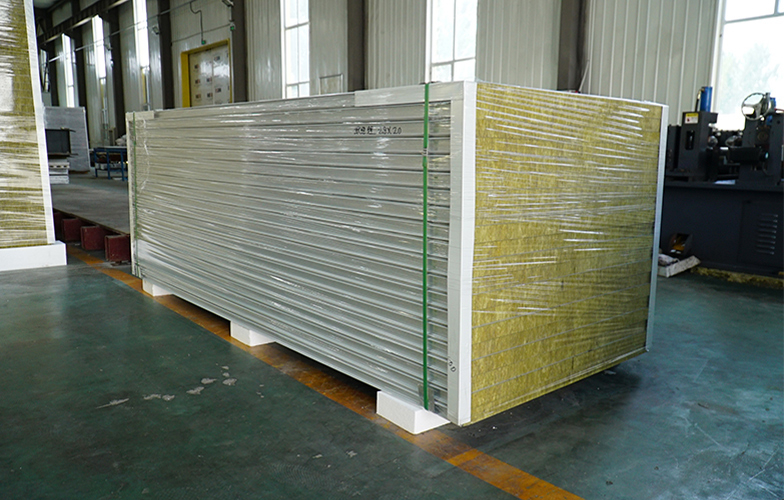
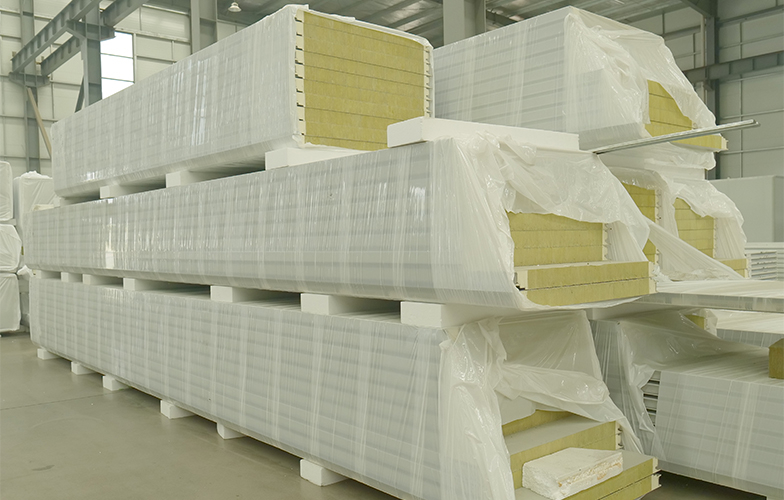
Panels are cut to customized lengths, inspected for quality, and packaged for shipment.
Advanced PU sandwich panel production lines ensure consistent density, thickness, and insulation performance throughout the manufacturing process.
Common Applications of PU Sandwich Panels
The versatility of PU sandwich panels makes them suitable for numerous industries.
Industrial Buildings
Widely used in:
Factories
Warehouses
Manufacturing facilities
Cold Storage Facilities
PU sandwich panels are considered one of the best insulation solutions for:
Cold rooms
Freezer rooms
Food storage facilities
Pharmaceutical warehouses
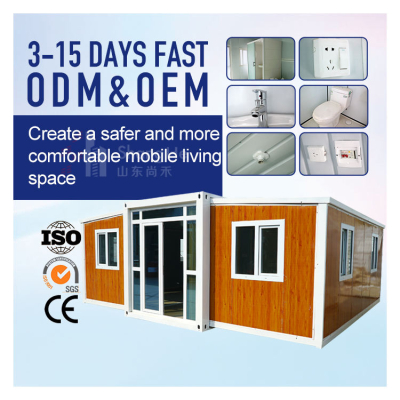
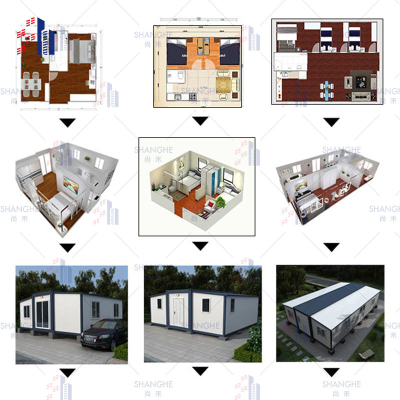
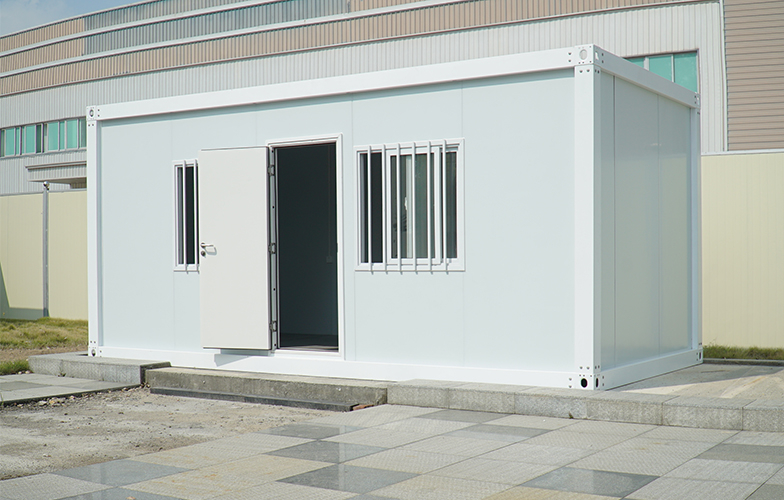
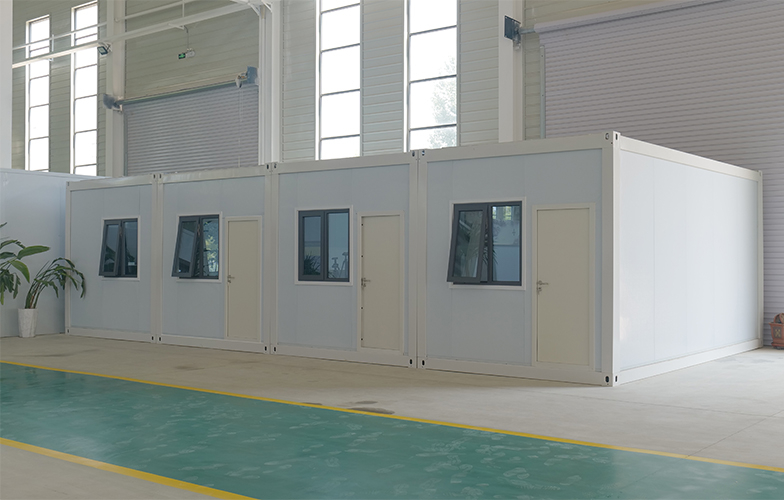
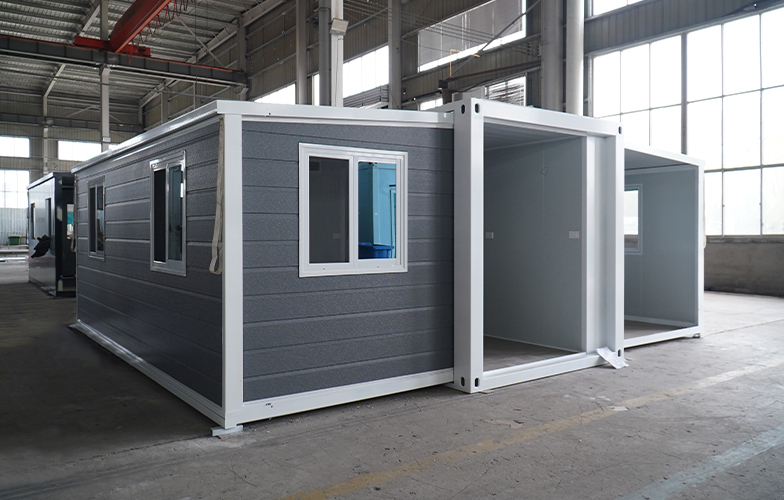
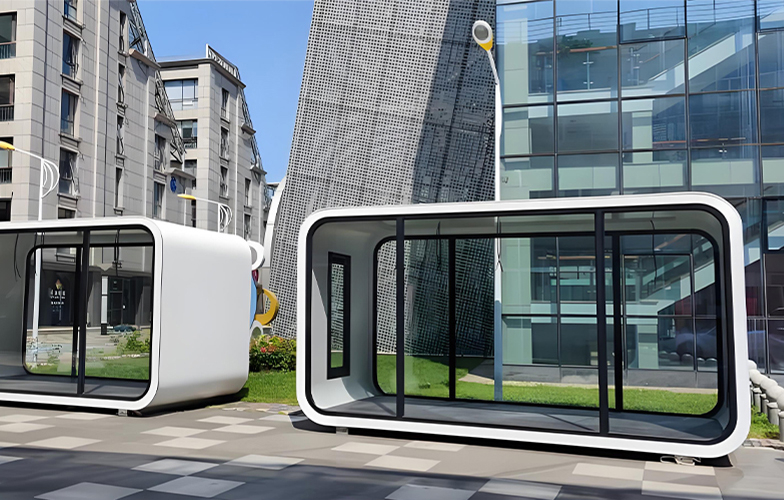
Prefabricated Houses
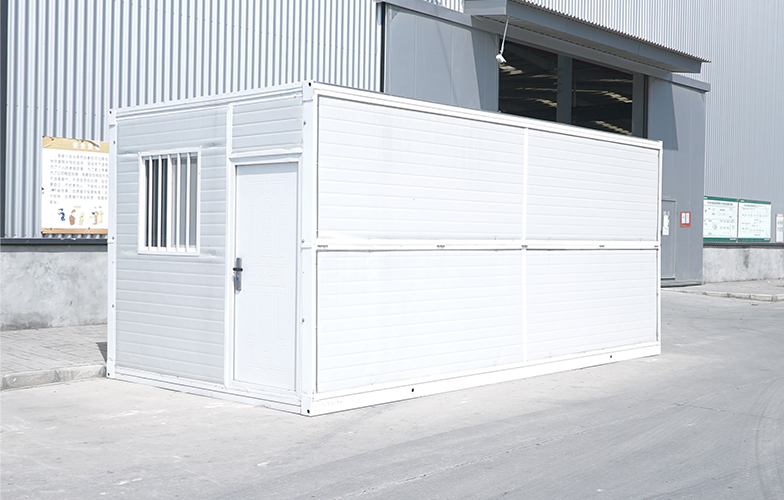
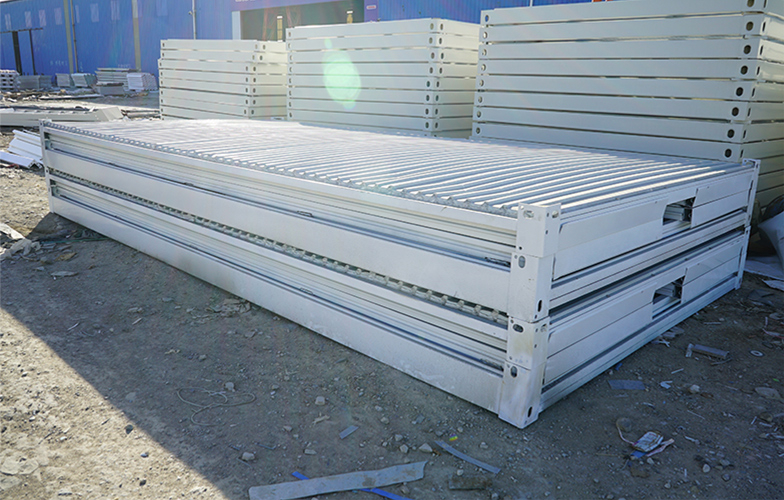
Modern prefab construction increasingly relies on polyurethane sandwich panels for:
Container houses
Modular homes
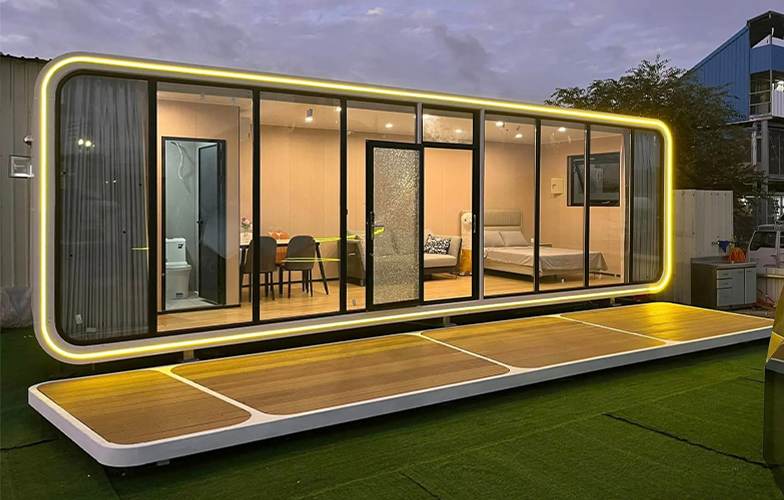
Apple cabins
Expandable houses
Temporary camps
Commercial Buildings
Common applications include:
Shopping centers
Office buildings
Exhibition halls
Logistics centers
Agricultural Buildings
Used for:
Poultry farms
Livestock shelters
Agricultural storage facilities
PU Sandwich Panel Thickness Options
Different projects require different insulation performance levels.
Common PU sandwich panel thickness options include:
| Panel Thickness | Typical Application |
|---|---|
| 50mm | Internal partitions |
| 75mm | Warehouses and workshops |
| 100mm | Industrial buildings |
| 150mm | Cold storage facilities |
| 200mm | Deep-freeze rooms |
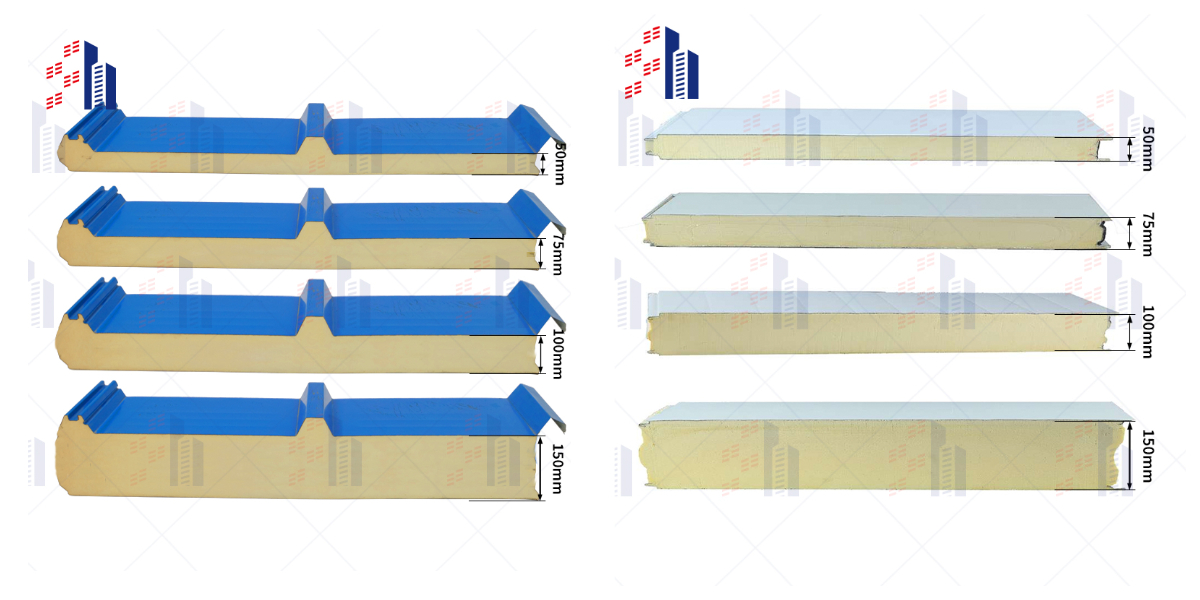
Selecting the appropriate PU sandwich panel thickness depends on climate conditions, energy efficiency requirements, and building specifications.
Future Trends in the PU Sandwich Panel Industry
The future of the polyurethane sandwich panel market is closely linked to sustainability and prefabrication trends.
Green Building Development
Builders increasingly prioritize materials that reduce energy consumption and support environmental goals.
Smart Manufacturing
Modern factories are adopting automated production lines that improve:
Product consistency
Production efficiency
Quality control
Growth of Modular Construction
The rapid growth of modular buildings and prefab housing is creating significant demand for lightweight insulated panels.
Customized Solutions
International buyers increasingly request:
Customized thickness
Fire-resistant grades
Special coatings
Architectural finishes
Manufacturers capable of providing flexible solutions are gaining competitive advantages in global markets.
FAQ: What Buyers Want to Know About PU Sandwich Panels
Q1: What is the difference between PU and PIR sandwich panels?
PU panels use polyurethane foam, while PIR panels use polyisocyanurate foam, which generally offers improved fire resistance and higher temperature stability.
Q2: Are PU sandwich panels fireproof?
Standard PU panels provide certain fire-retardant properties, but fire performance depends on foam formulation and certification standards. Buyers should request test reports and fire-rating certifications.
Q3: How long do PU sandwich panels last?
High-quality PU sandwich panels can typically last more than 20 years when properly installed and maintained.
Q4: Are PU sandwich panels suitable for cold storage projects?
Yes. Due to their low thermal conductivity and moisture resistance, PU sandwich panels are among the most widely used insulation materials for cold rooms and freezer facilities.
Conclusion
Now that you understand what is PU sandwich panel, it is clear why this material has become a cornerstone of modern energy-efficient construction.
Combining superior insulation, lightweight design, durability, and rapid installation, polyurethane sandwich panels provide an ideal solution for industrial buildings, cold storage facilities, commercial projects, and prefabricated housing developments.
As global demand for sustainable and cost-effective construction continues to grow, PU sandwich panels will remain a key building material for contractors, developers, distributors, and project owners worldwide.
Looking for a Reliable PU Sandwich Panel Manufacturer?
If you are sourcing high-quality PU sandwich panels for industrial, commercial, cold storage, or prefab building projects, contact Shanghe today. Our experienced engineering team provides customized panel solutions, competitive factory pricing, strict quality control, and worldwide export support to help your projects succeed.