What Is the Difference Between PU and EPS Sandwich Panels?
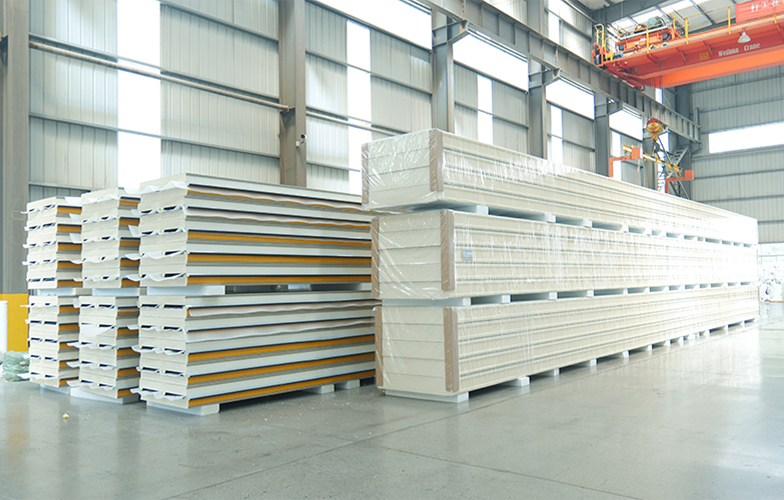
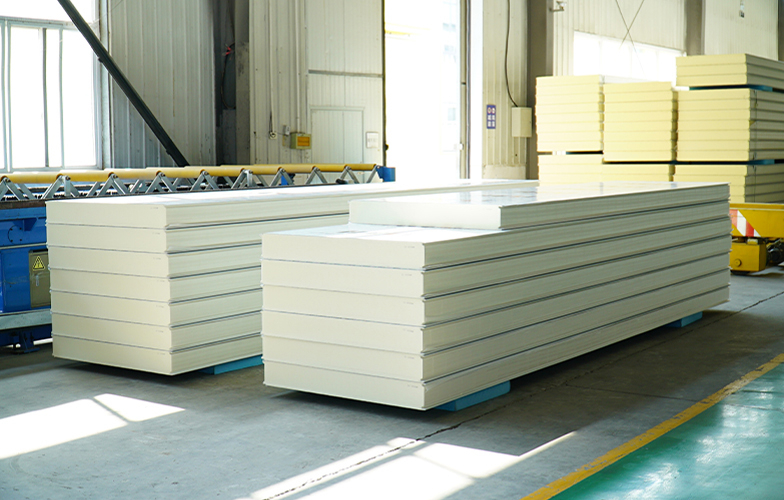
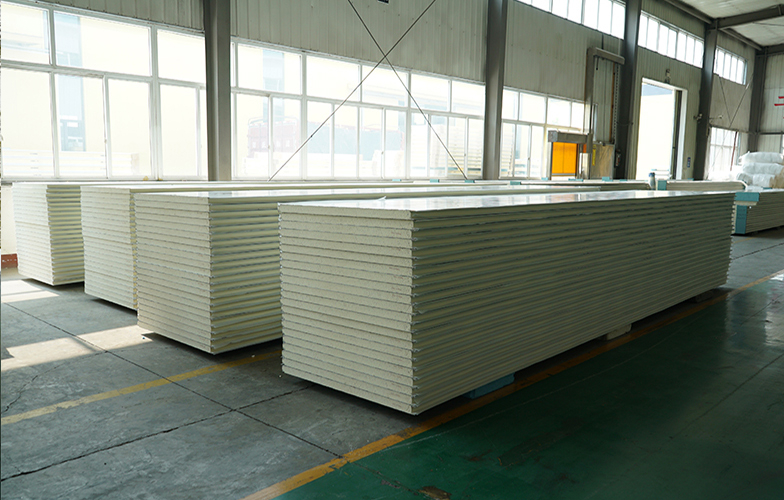
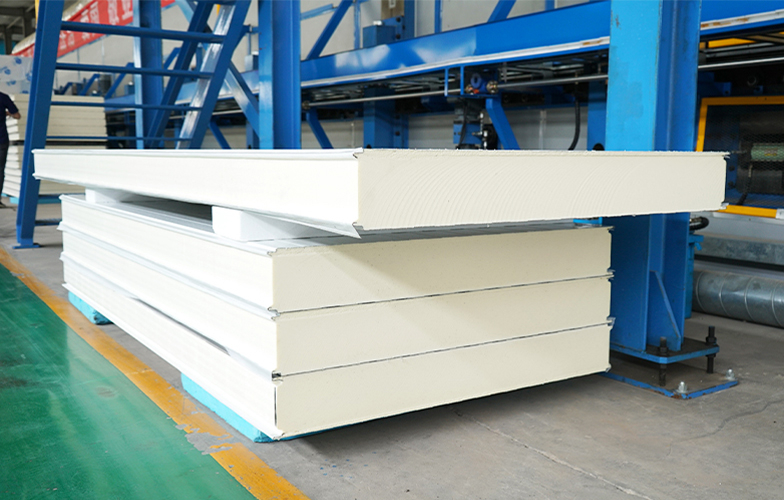
PU and EPS sandwich panels are two popular insulated building materials used in industrial buildings, warehouses, cold storage facilities, and commercial construction projects. Both panels feature a lightweight core between two metal sheets, providing thermal insulation and structural support.
However, the main difference between PU and EPS sandwich panels lies in their core materials, thermal insulation performance, fire behavior, moisture resistance, and overall cost.
PU sandwich panels use polyurethane foam as the insulation core, while EPS sandwich panels use expanded polystyrene foam. Understanding these differences can help contractors, builders, and distributors select the right panel for their projects.
1. What Is a PU Sandwich Panel?
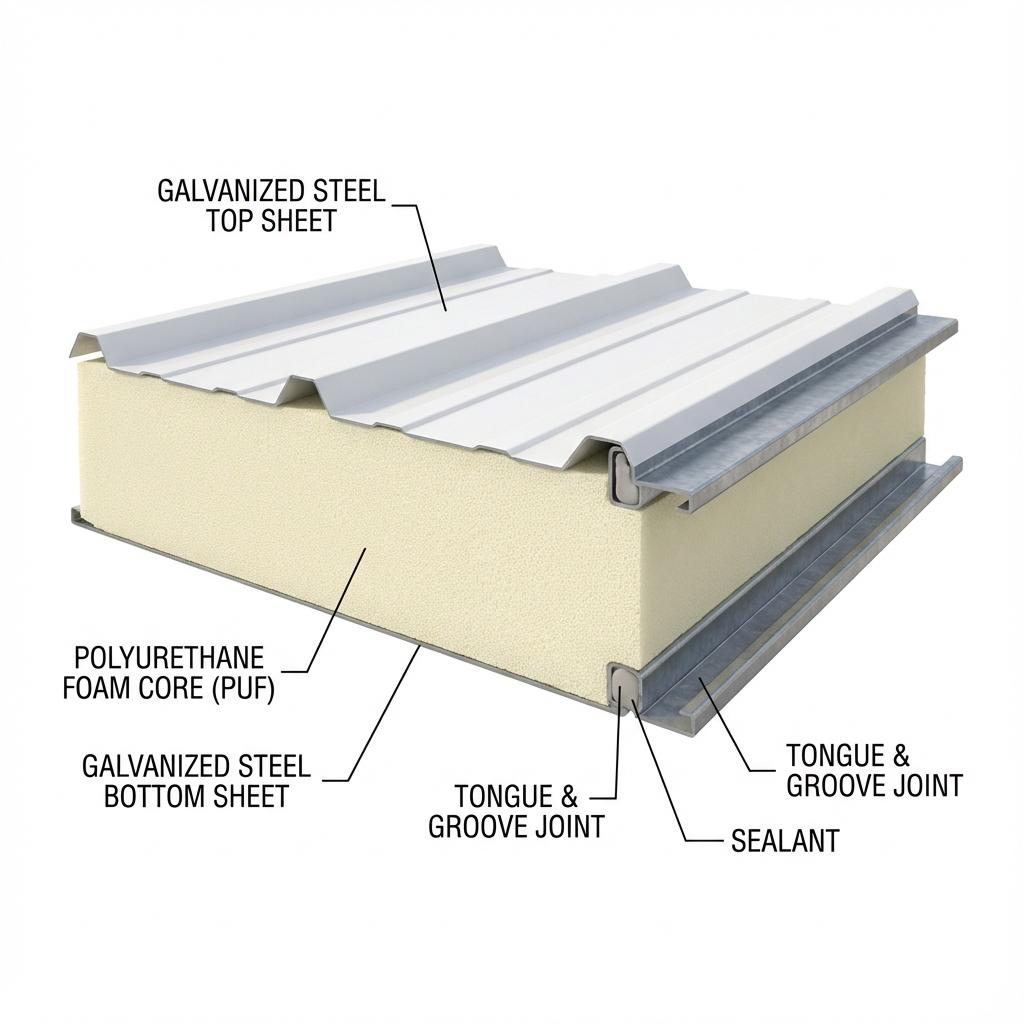
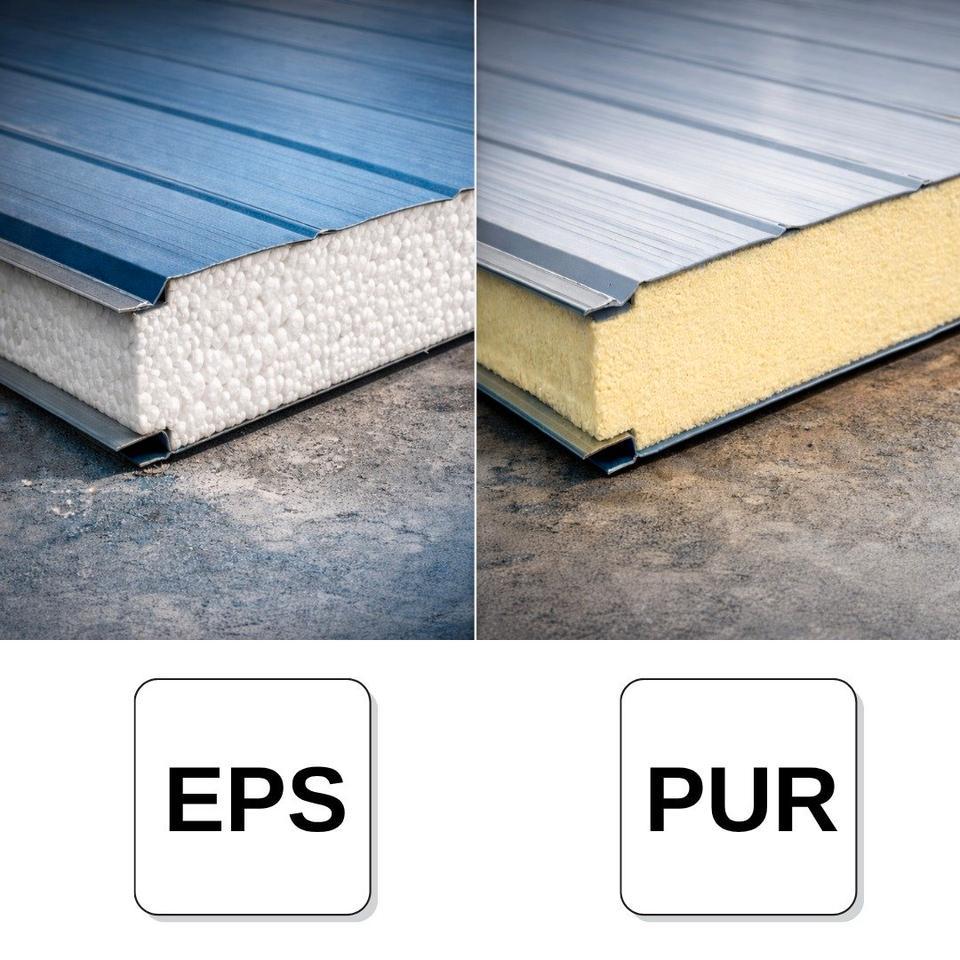
A PU sandwich panel is an insulated building panel made with a polyurethane foam core bonded between two metal sheets, typically color-coated steel or galvanized steel.
Polyurethane foam features a closed-cell structure that provides excellent thermal insulation and helps reduce heat transfer between indoor and outdoor environments.
Due to its high insulation efficiency, PU sandwich panels are widely used in cold storage facilities, industrial warehouses, food processing plants, and energy-efficient buildings.
Key Advantages of PU Sandwich Panels:
Excellent thermal insulation performance
High strength-to-weight ratio
Good moisture resistance
Low thermal conductivity
Suitable for temperature-controlled environments
Helps improve building energy efficiency
PU sandwich panels are particularly suitable for projects where thermal performance and long-term energy savings are important.
2. What Is an EPS Sandwich Panel?
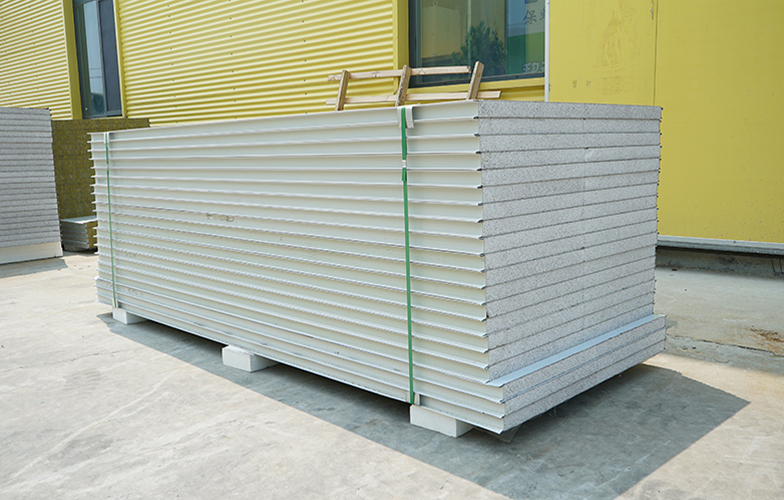
An EPS sandwich panel is a lightweight insulated panel that uses expanded polystyrene foam as its core material, with metal sheets on both sides.
EPS foam is produced by expanding polystyrene beads into a lightweight cellular structure. It provides basic thermal insulation while keeping the overall panel cost relatively low.
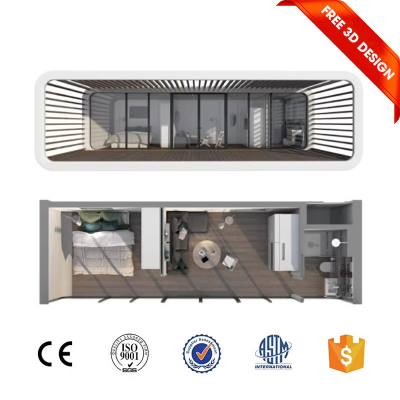
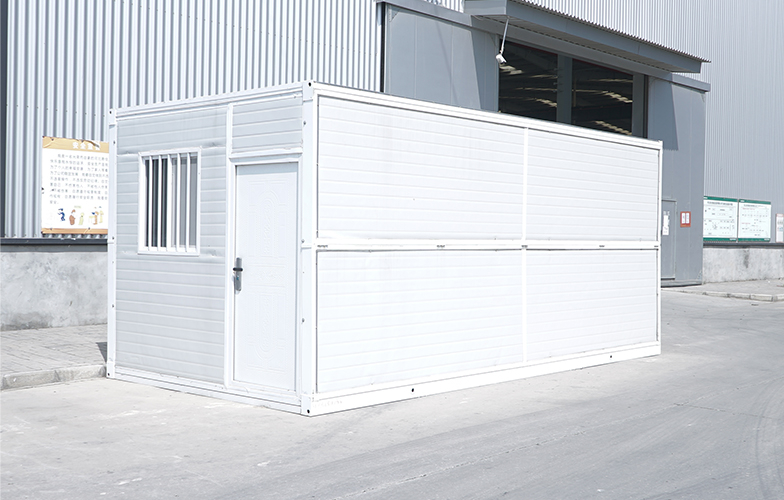
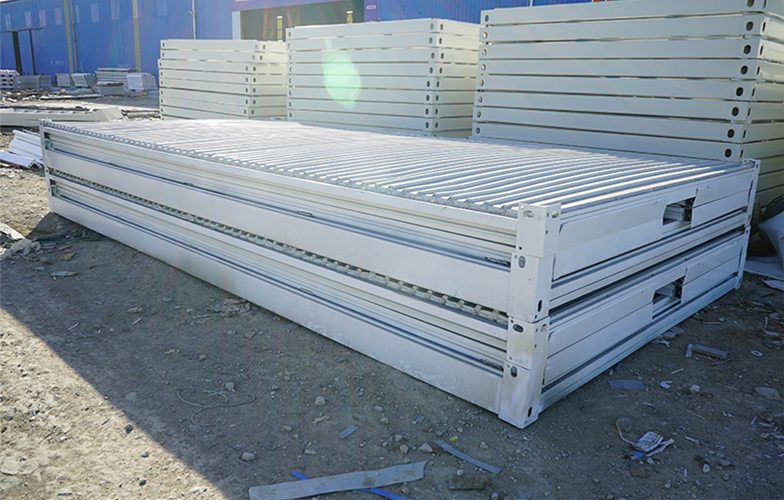
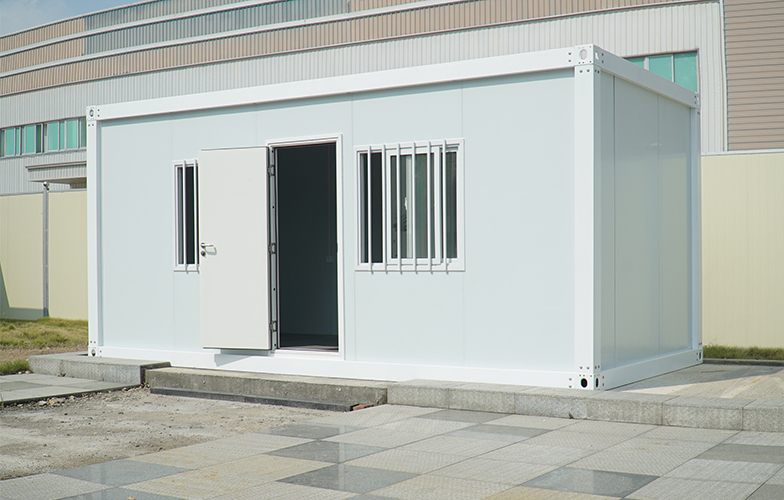
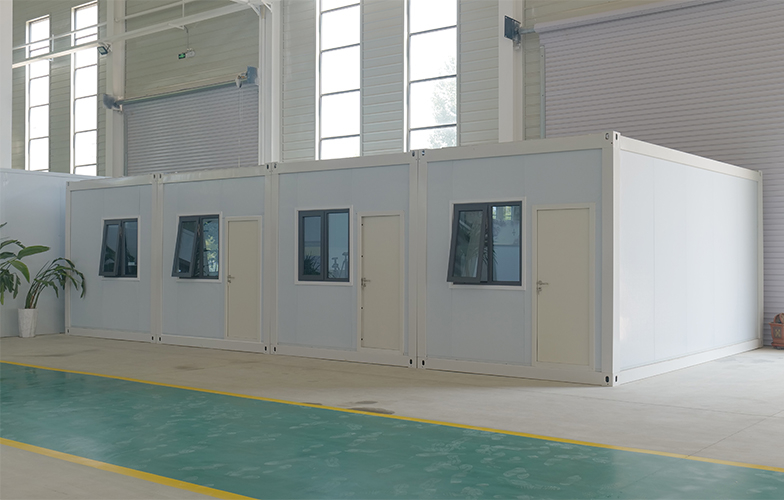
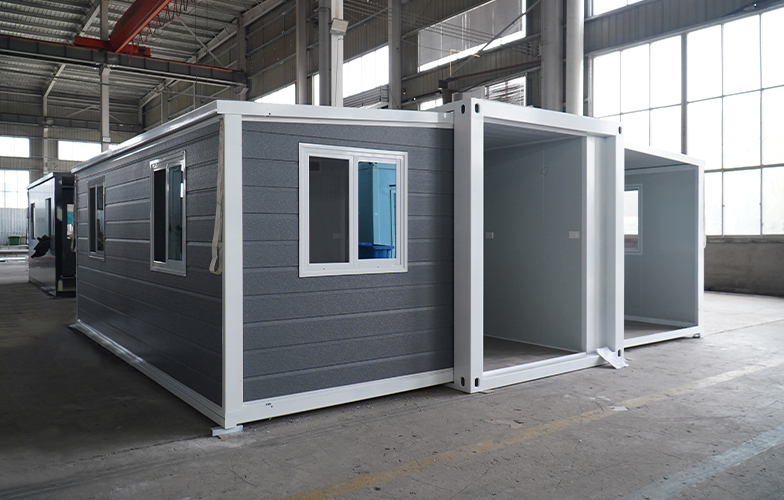
EPS sandwich panels are commonly used in temporary buildings, modular houses, workshops, warehouses, and partition walls.
Key Advantages of EPS Sandwich Panels:
Cost-effective insulation solution
Lightweight construction material
Easy transportation and installation
Good thermal insulation for general applications
Flexible panel thickness options
Suitable for prefabricated building systems
EPS sandwich panels are a practical choice for projects that require economical insulation and fast construction.
3. PU Sandwich Panel vs EPS Sandwich Panel: Key Differences
Although both materials are designed for insulated building systems, their performance varies depending on the core material and manufacturing specifications.
Here are the main differences between PU and EPS sandwich panels.
3.1 Thermal Insulation Performance
Thermal insulation is one of the most important factors when comparing PU and EPS sandwich panels.
PU foam generally has a lower thermal conductivity, typically around 0.020–0.025 W/(m·K), while EPS foam commonly ranges from approximately 0.033–0.040 W/(m·K).
This means PU sandwich panels can provide better thermal insulation at the same thickness.
For cold storage facilities and temperature-controlled buildings, PU panels are generally a more suitable option because they help minimize heat transfer and reduce cooling energy consumption.
3.2 Fire Performance
Fire performance is another important consideration in building material selection.
EPS and conventional PU foam are both combustible materials. Their fire behavior depends on the foam formulation, flame-retardant additives, panel construction, and applicable testing standards.
PU panels may offer different fire performance grades depending on their formulation, while EPS panels also require appropriate fire protection measures.
For projects with strict fire safety requirements, buyers should check certified fire test reports and the complete panel system's fire classification rather than relying on the core material alone.
3.3 Moisture Resistance
PU foam generally features a closed-cell structure that provides good resistance to moisture absorption.
EPS also offers relatively low water absorption under suitable conditions, but its moisture performance depends on bead structure, density, joint design, and installation quality.
For buildings exposed to humid environments or requiring stable insulation performance, properly manufactured PU sandwich panels can provide an effective solution.
3.4 Strength and Durability
Both PU and EPS sandwich panels can provide reliable building enclosure performance when manufactured with suitable metal facings and properly installed.
PU foam generally offers good bonding performance with metal sheets and contributes to the overall rigidity of the panel.
EPS panels are lightweight and practical for general building applications, although their mechanical performance depends on core density, panel thickness, and metal sheet specifications.
3.5 Cost and Installation
EPS sandwich panels are generally more economical than PU sandwich panels, making them attractive for projects with limited budgets.
PU sandwich panels usually have a higher initial material cost because of their insulation performance and core material requirements.
However, PU panels may offer better long-term energy savings in buildings that require continuous heating or cooling.
Both panel types are lightweight and can be prefabricated to simplify transportation and installation.
4. PU vs EPS Sandwich Panels: Comparison Table
The following table summarizes the major differences between PU and EPS sandwich panels.
| Comparison | PU Sandwich Panel | EPS Sandwich Panel |
|---|---|---|
| Core Material | Polyurethane Foam | Expanded Polystyrene |
| Thermal Insulation | Excellent | Good |
| Thermal Conductivity | 0.020–0.025 W/(m·K) | 0.033–0.040 W/(m·K) |
| Moisture Resistance | Generally High | Good |
| Fire Performance | Depends on formulation and testing | Depends on formulation and testing |
| Weight | Lightweight | Lightweight |
| Initial Cost | Generally Higher | Generally Lower |
| Energy Efficiency | Higher insulation efficiency | Moderate insulation efficiency |
| Main Applications | Cold Storage, Industrial Buildings | Workshops, Modular Buildings |
Note: The values above are typical reference ranges, not guaranteed specifications. Actual performance depends on product density, thickness, manufacturing process, and applicable testing standards.
5. Which Is Better: PU or EPS Sandwich Panels?
There is no single answer for every construction project. The best option depends on the building's purpose, insulation requirements, budget, and local building regulations.
Choose PU Sandwich Panels If:
Your project requires high thermal insulation performance.
You are building cold storage or refrigerated facilities.
Energy efficiency is a major consideration.
You need to maintain stable indoor temperatures.
Long-term operating costs are important.
Choose EPS Sandwich Panels If:
Your project has a limited construction budget.
You need economical insulation materials.
You are constructing temporary or modular buildings.
Your project requires lightweight wall or roof panels.
Standard insulation performance is sufficient.
For commercial and industrial projects, comparing the total lifecycle cost rather than only the initial purchase price can help you make a more cost-effective decision.
6. Applications of PU and EPS Sandwich Panels
Both types of insulated sandwich panels are widely used in modern construction.
PU Sandwich Panel Applications:
Food processing facilities
Pharmaceutical storage buildings
Industrial factories
Temperature-controlled workshops
Commercial insulated buildings
EPS Sandwich Panel Applications:
Prefabricated houses
Temporary construction buildings
Industrial workshops
Modular buildings
Interior partition walls
General warehouses
Selecting the correct core material and panel specifications is essential for achieving reliable insulation and building performance.
7. Why Choose SHANGHE Sandwich Panels?
SHANGHE is a professional manufacturer and supplier of insulated building materials, providing customized sandwich panel solutions for global construction projects.
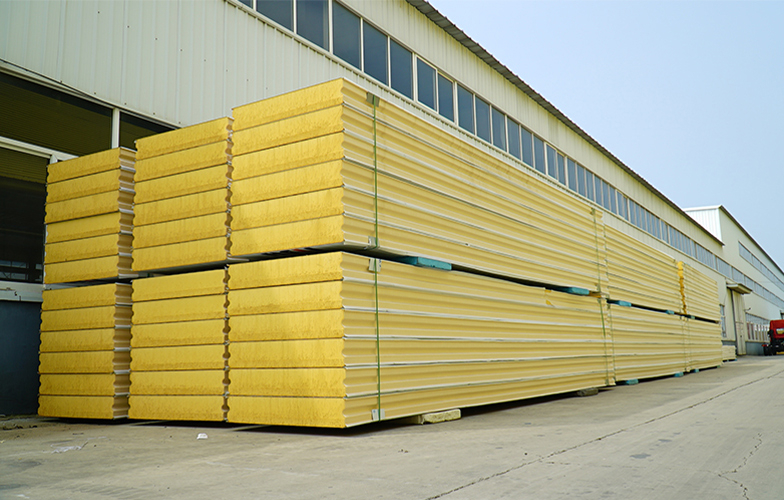
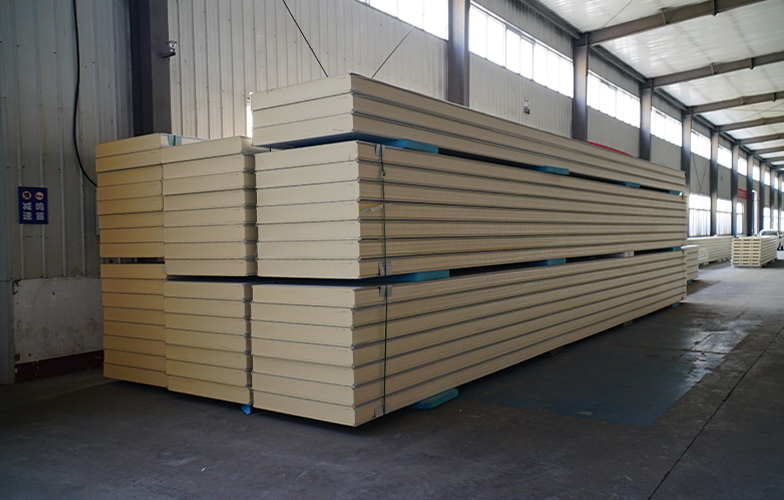
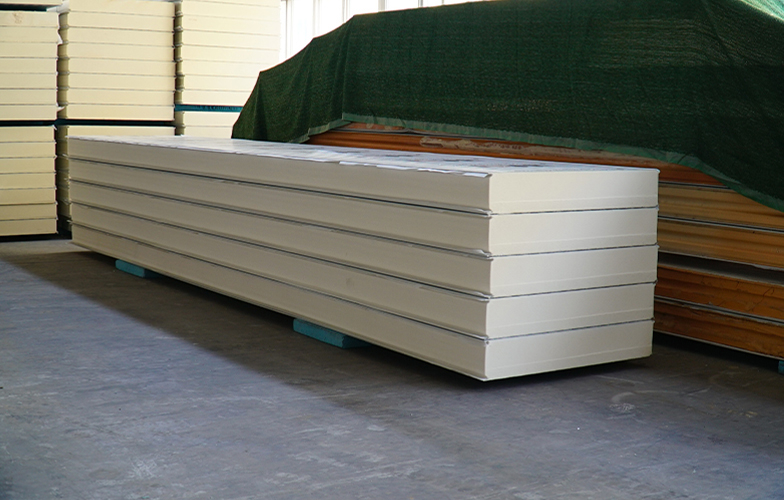
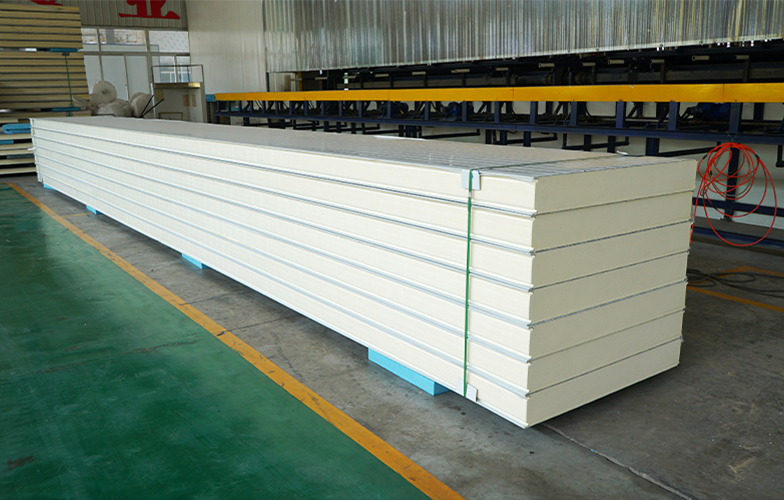
With 10 years of factory experience and a 50,000-square-meter production base, SHANGHE specializes in manufacturing different types of insulated sandwich panels, including PU sandwich panels, EPS sandwich panels, and rockwool sandwich panels.
We focus on providing practical building material solutions for contractors, distributors, wholesalers, and construction companies.
Our Advantages:
Multiple insulation core material options
Customized panel thickness and dimensions
Various metal surface finishes and colors
Professional manufacturing and quality control
Technical support and installation guidance
Solutions for residential, commercial, and industrial projects
Whether you need high-performance PU sandwich panels or cost-effective EPS sandwich panels, SHANGHE can provide suitable products according to your project requirements.
8. Get the Right Sandwich Panel Solution for Your Project
Choosing between PU and EPS sandwich panels is an important decision that affects building insulation, construction costs, and long-term performance.
PU sandwich panels are generally preferred for projects requiring higher thermal insulation, while EPS sandwich panels offer a more economical solution for general construction applications.
Before making a decision, consider your building application, required insulation performance, fire safety standards, panel thickness, and budget.
Contact SHANGHE today to discuss your project requirements and get a customized sandwich panel quotation.