High Insulation Efficiency with Reduced Panel Thickness
The PU core delivers excellent insulation performance while allowing thinner panel designs, helping optimize usable building space.
Stable Performance Under Temperature Fluctuation
The rigid polyurethane core maintains dimensional stability under hot–cold cycles, reducing long-term deformation risk.
Integrated Enclosure Solution
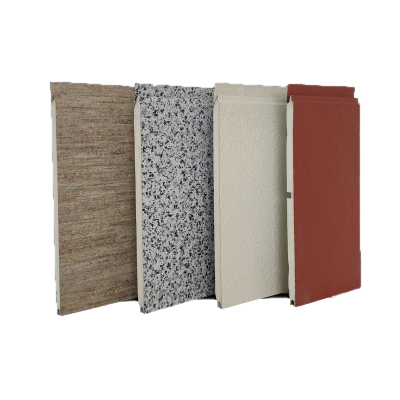
Combines insulation, enclosure, and decorative surface into a single system, simplifying material selection for projects.
Improved Air Tightness at Panel Joints
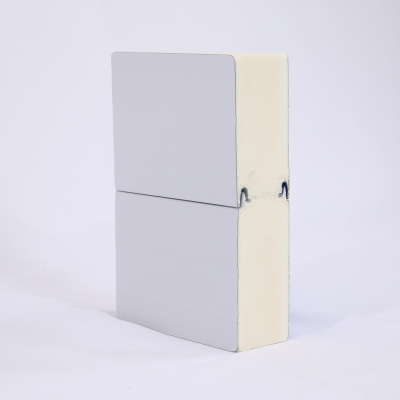
Precision joint design minimizes air leakage, enhancing overall building envelope performance.
Lower Structural Load Requirement
Lightweight panel construction reduces foundation and steel structure load requirements.
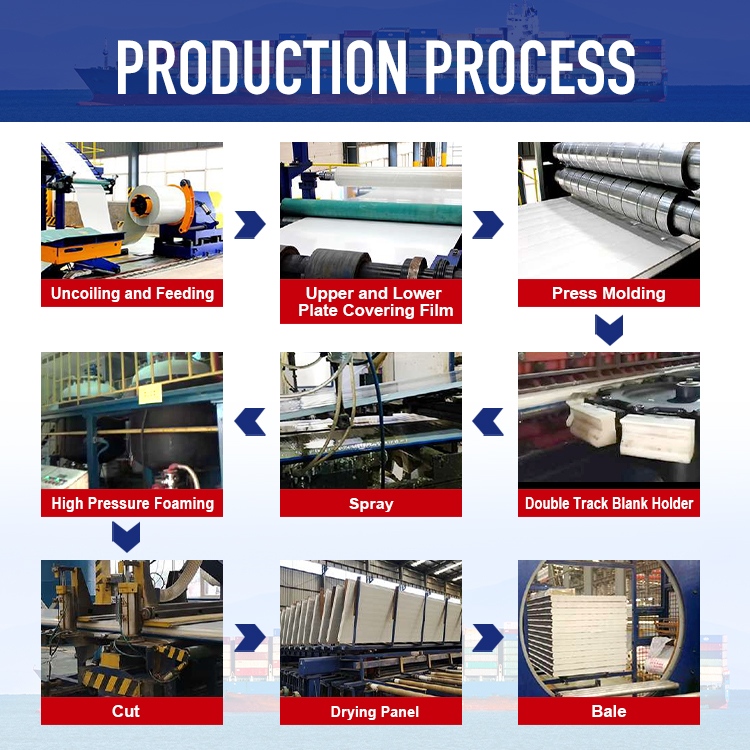
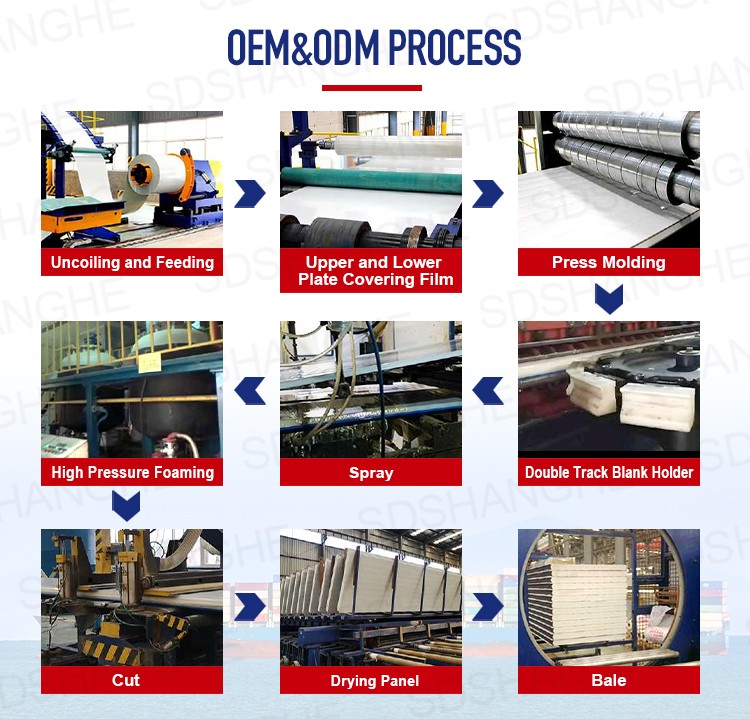
Consistent Quality from Continuous Production
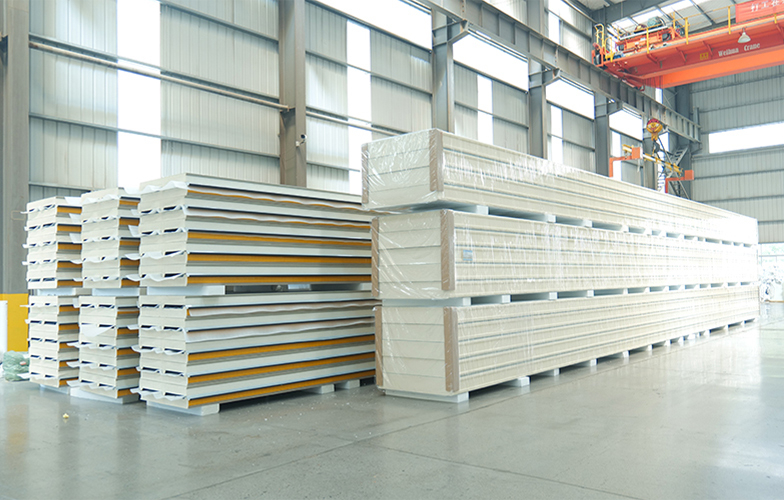
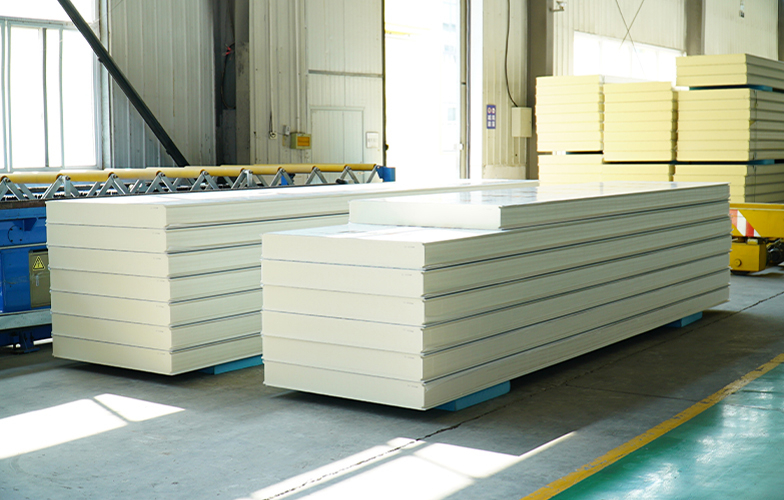
Continuous lamination process ensures uniform core density and reliable bonding strength across every panel.
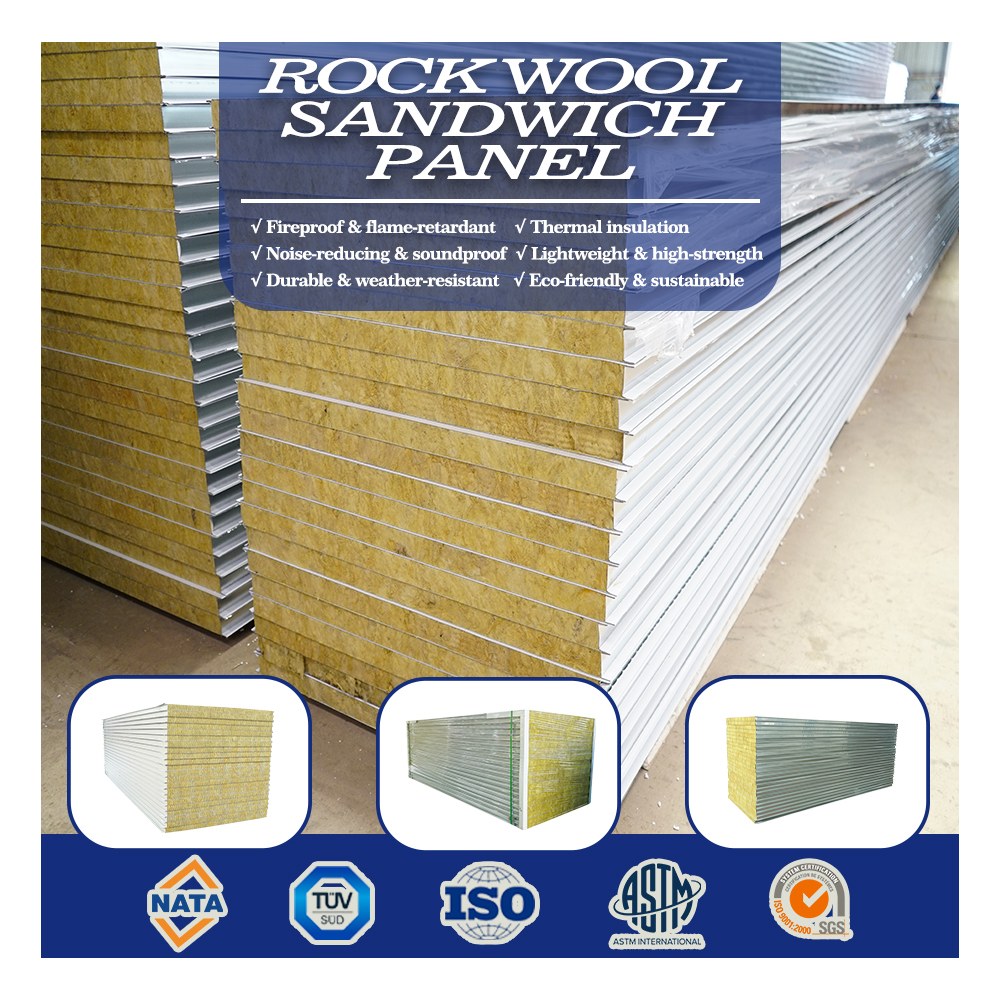
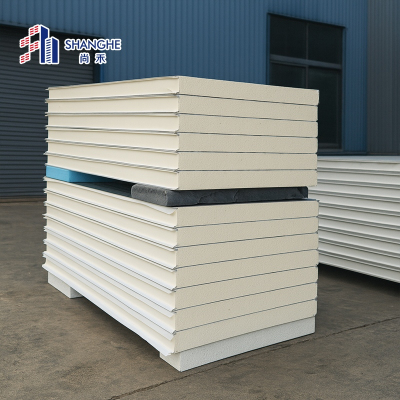
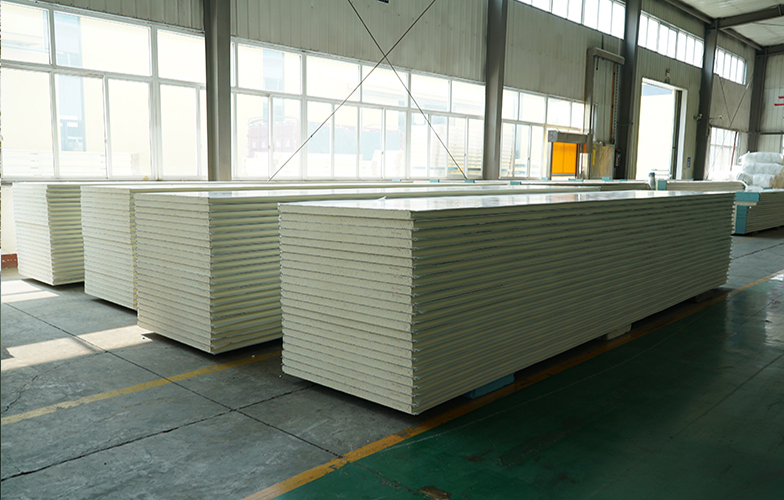
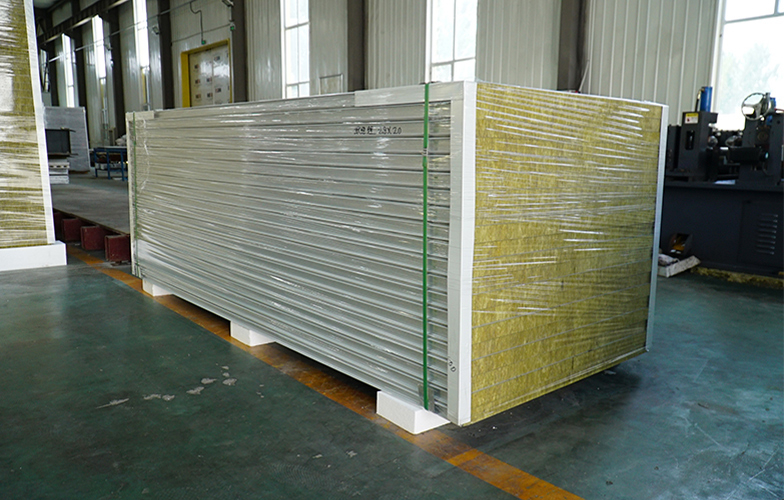
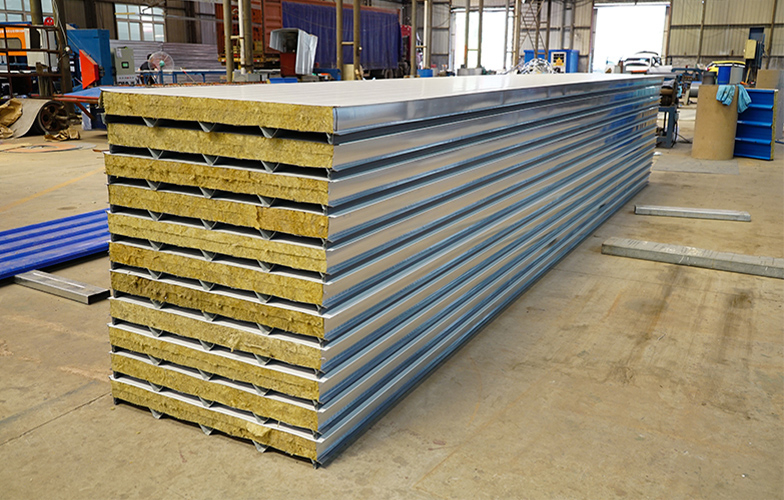
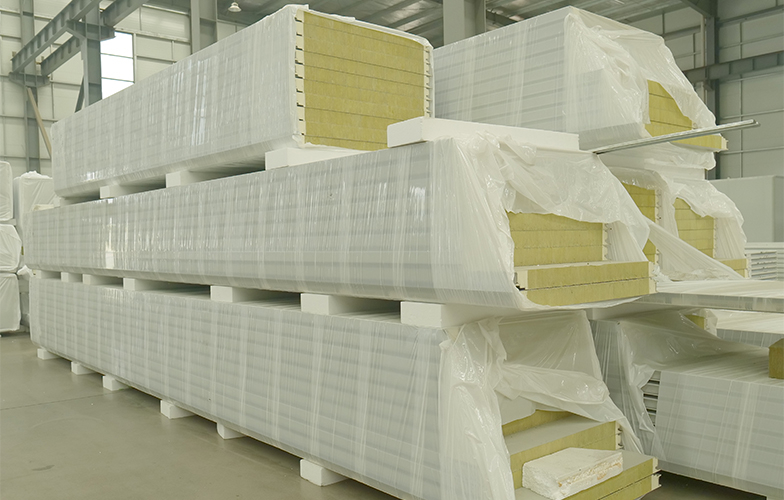
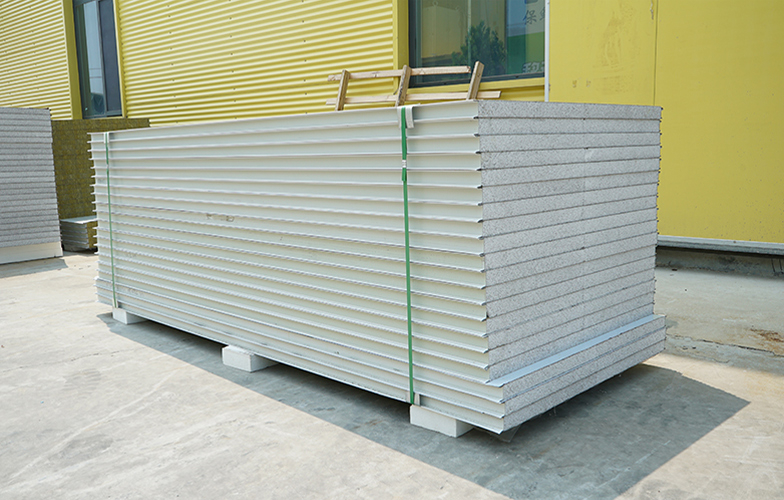
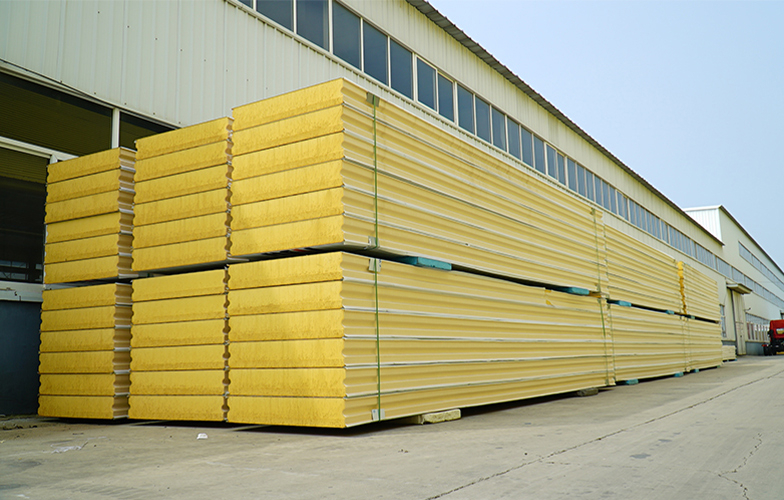
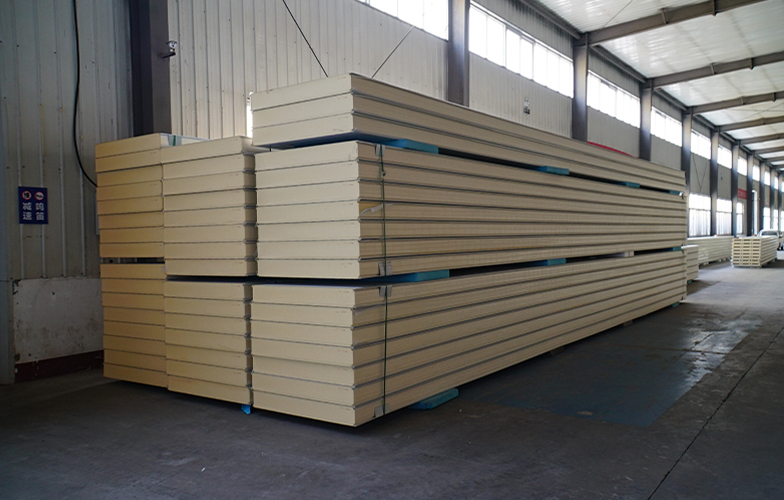
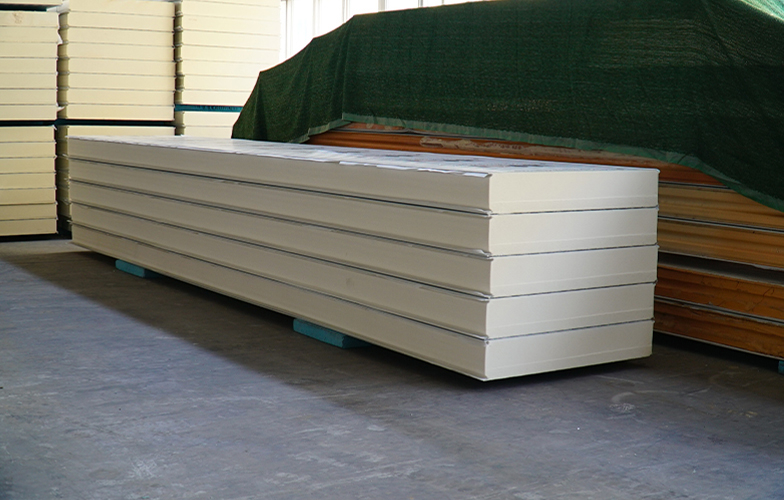
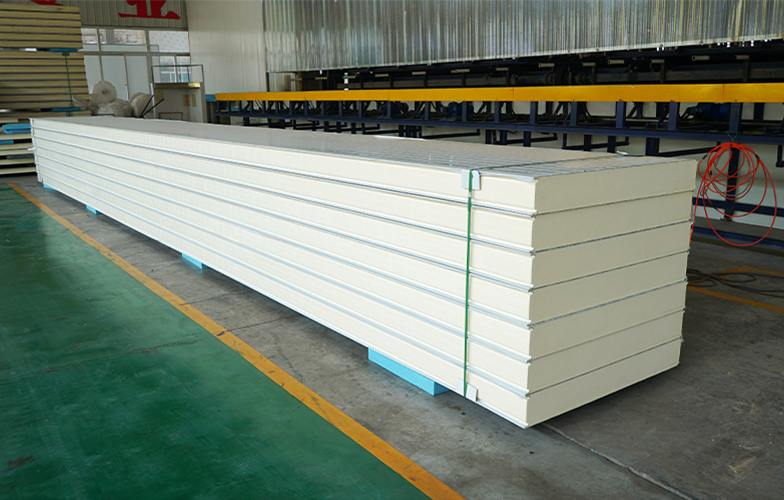
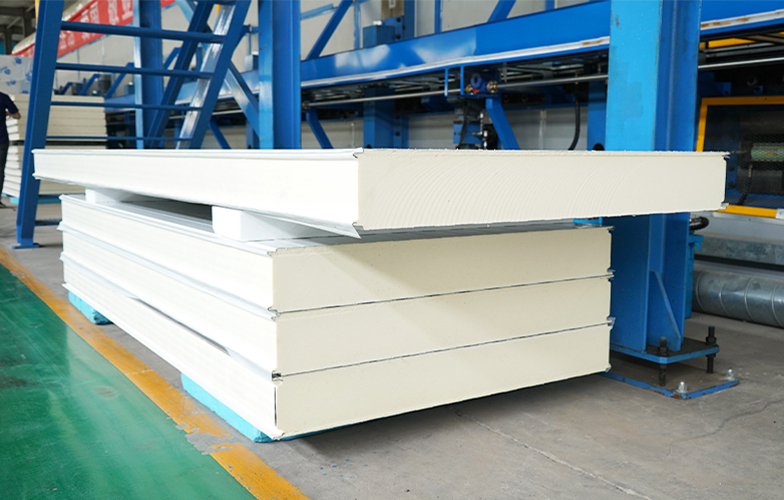
PU Sandwich Panel is an advanced insulated panel system developed for efficient building enclosure applications. The panel is composed of two metal facings permanently bonded to a rigid polyurethane insulation core, forming a lightweight yet stable composite structure. This integrated design allows the panel to function simultaneously as insulation material, enclosure wall, and surface finish.
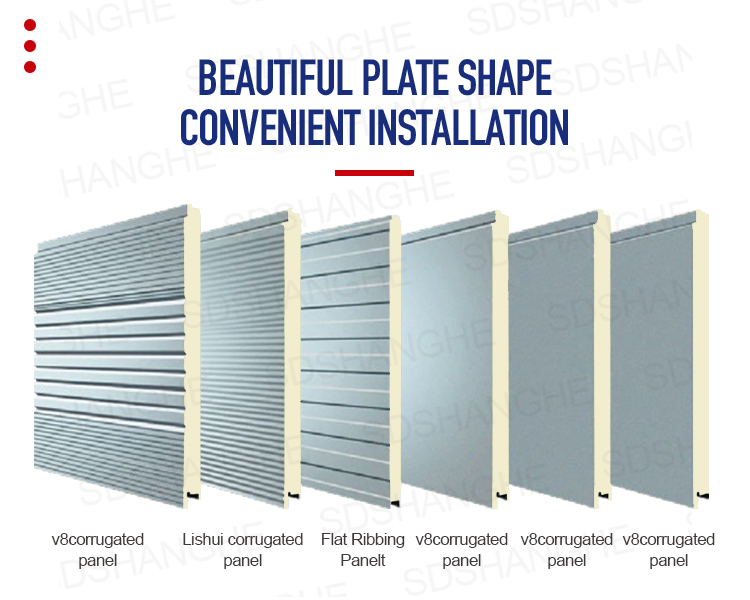
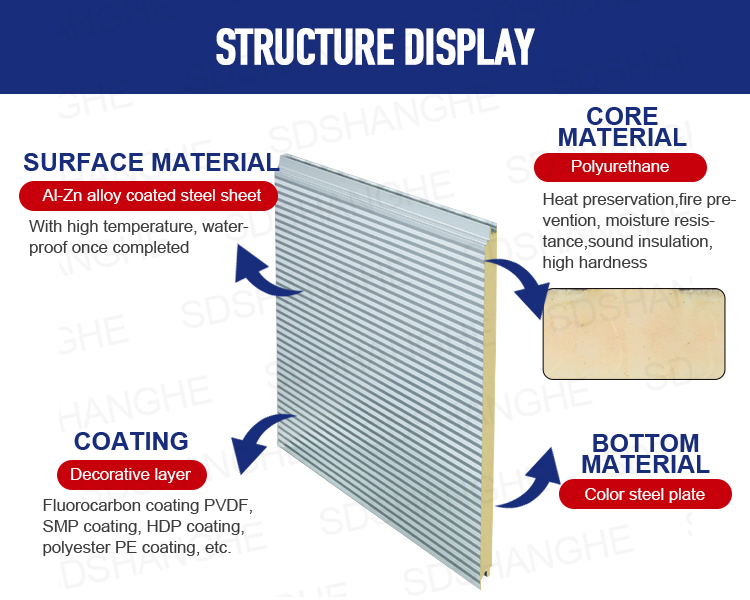
The core material is rigid polyurethane foam with a closed-cell structure. This structure plays a key role in limiting heat transfer and maintaining internal temperature stability. Compared with conventional insulation solutions, PU insulation achieves high thermal resistance with reduced thickness, making it suitable for projects where space optimization and energy efficiency are critical.
From a construction perspective, PU sandwich panels significantly simplify building enclosure processes. Traditional wall systems often require multiple layers, including insulation, vapor barriers, and external finishes. PU sandwich panels integrate these functions into one prefabricated component, reducing on-site work complexity and potential installation errors.
The mechanical performance of the panel benefits from the composite bonding between the metal facings and the PU core. This bonding allows loads to be distributed across the entire panel surface, improving resistance to wind pressure and operational stress. As a result, the panels can be used in both vertical and horizontal installations within industrial and modular buildings.
Another important advantage of PU sandwich panels is their airtightness. Properly designed joint systems reduce uncontrolled air exchange, helping buildings maintain stable internal environments. This feature is particularly valuable in temperature-controlled facilities, where air leakage can lead to increased energy consumption.
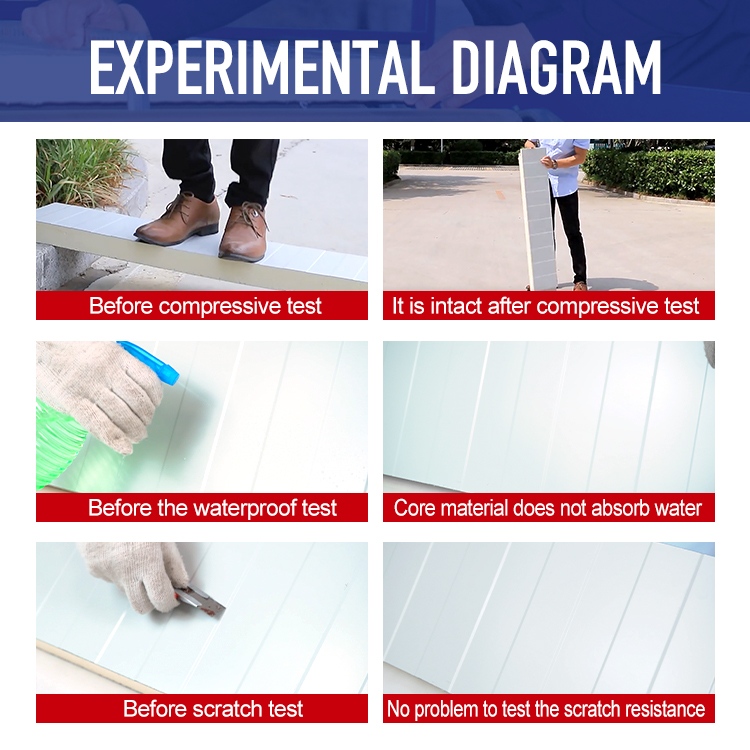
Durability is also a key consideration. The closed-cell PU core resists moisture absorption, while the metal surfaces protect the panel from environmental exposure. This combination helps maintain insulation performance over time and reduces maintenance requirements during the building’s service life.
PU sandwich panels are widely adopted in industrial, commercial, and prefabricated construction due to their balance of performance, efficiency, and adaptability. They provide designers and contractors with a reliable enclosure solution that meets modern construction demands.
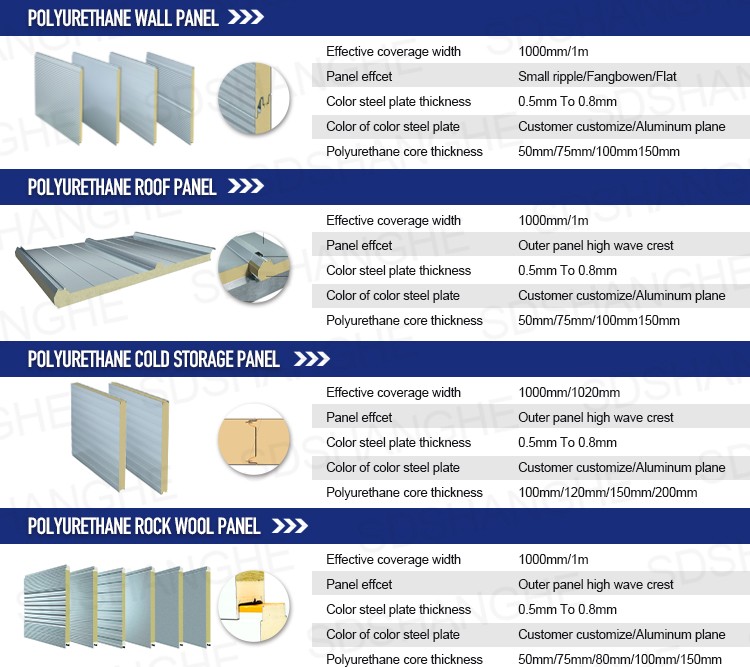
| Parameter | Specification |
Product Name | PU Sandwich Panel |
Core Type | Rigid Polyurethane (PU) |
Panel Thickness | 50mm / 75mm / 100mm / 120mm / 150mm |
PU Core Density | 38–45 kg/m³ |
Thermal Conductivity | ≤ 0.024 W/(m·K) |
Facing Material | Color steel / Galvanized steel / Aluminum |
Facing Thickness | 0.3mm – 0.8mm |
Effective Width | 950mm / 1000mm |
Panel Length | Customizable |
Joint Design | Tongue & groove system |
Installation Area | Wall / Roof / Ceiling |
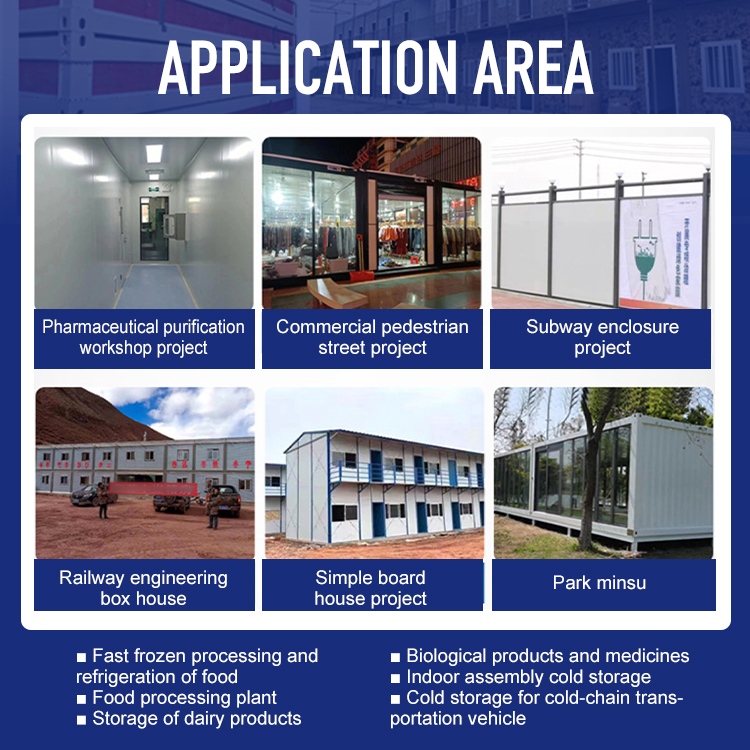
Industrial Workshops and Production Buildings
Used as enclosure walls and roofing to ensure insulation and efficient construction.
Logistics and Storage Facilities
Suitable for large buildings requiring fast installation and thermal stability.
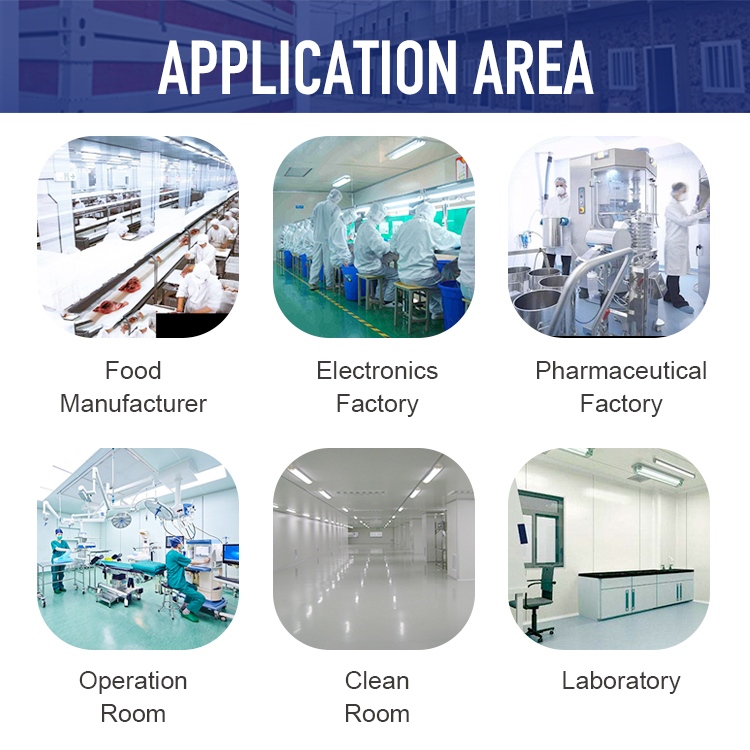
Cold Storage and Controlled-Temperature Buildings
Helps maintain stable internal temperatures and reduce energy loss.
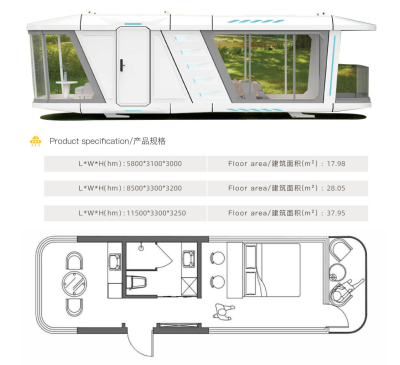
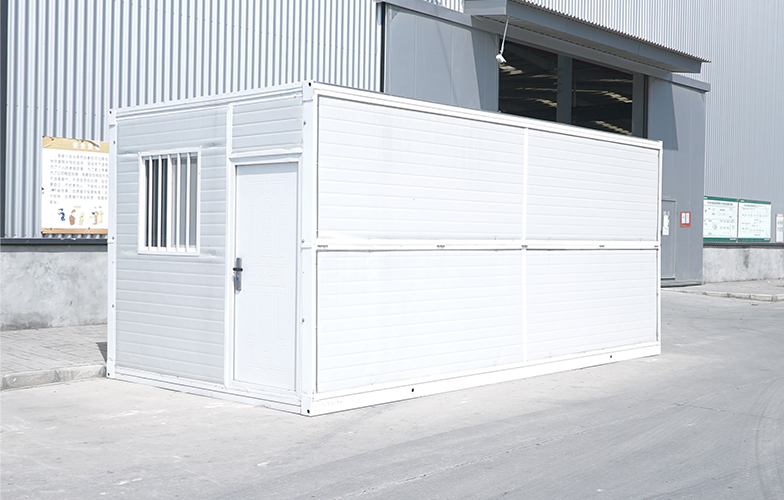
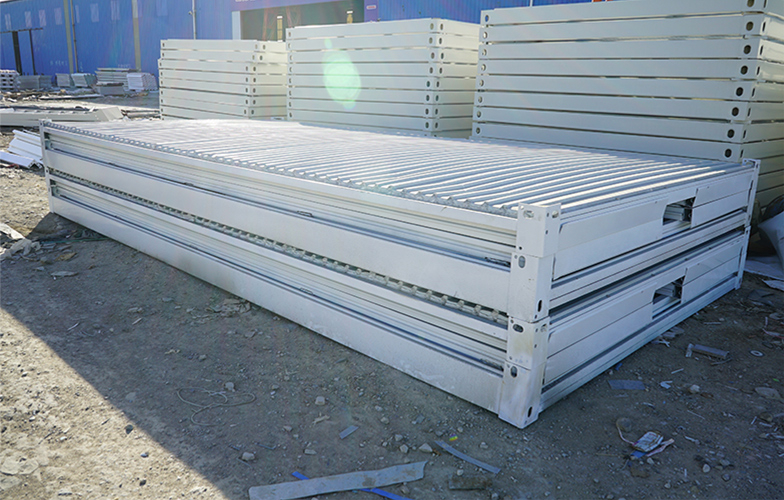
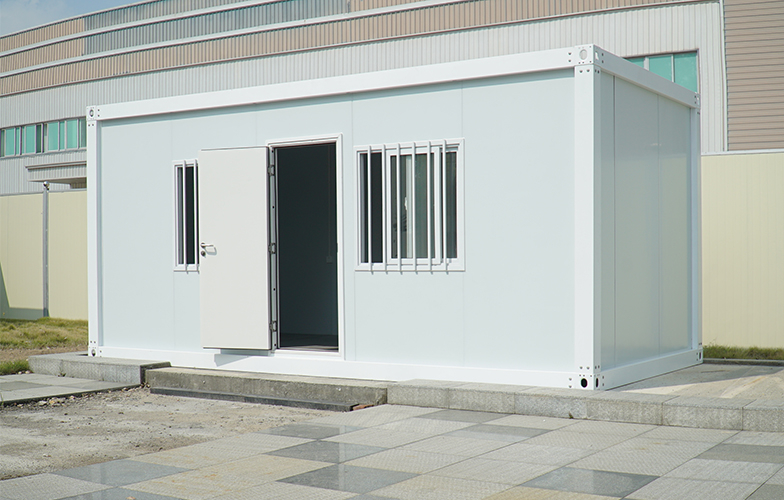
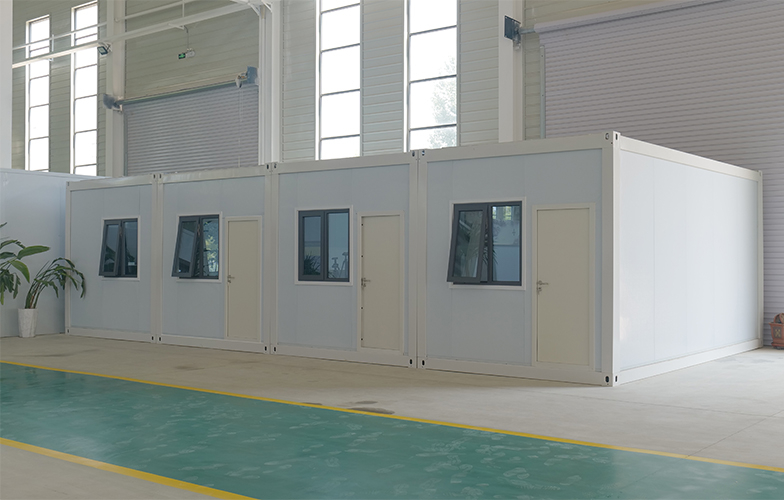
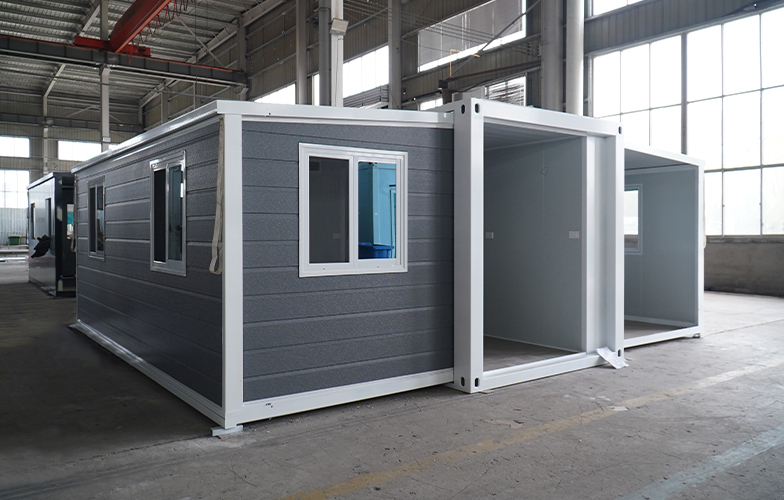
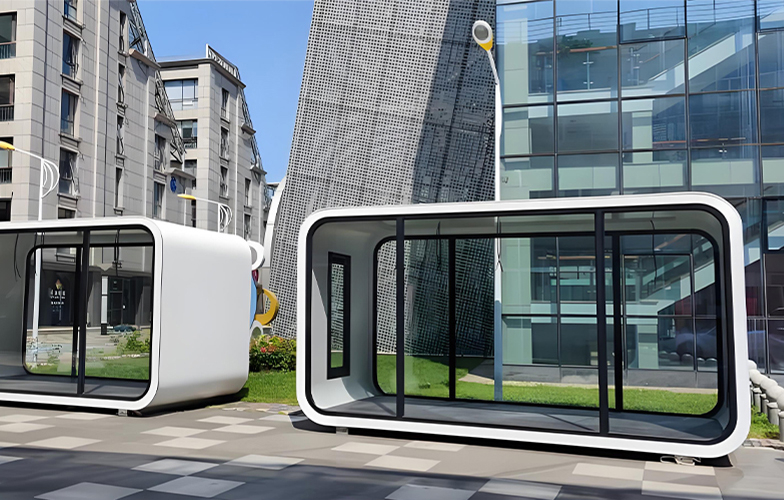
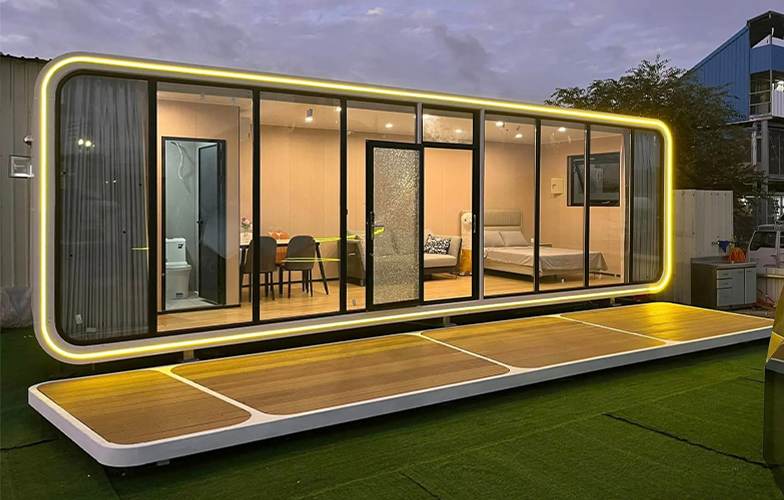
Prefabricated and Modular Structures
Lightweight panels simplify transportation and assembly.
Auxiliary and Functional Buildings
Applied in equipment rooms, utility buildings, and temporary structures.
Q1: Why are PU sandwich panels suitable for integrated building envelopes?
A: They combine insulation, enclosure, and surface finish into a single prefabricated panel.
Q2: How does PU insulation perform compared to traditional insulation materials?
A: PU offers higher thermal resistance with reduced thickness.
Q3: Are PU sandwich panels suitable for large-span buildings?
A: Yes, their lightweight design reduces structural load requirements.
Q4: Do PU sandwich panels help improve building airtightness?
A: Yes, precision joint systems minimize air leakage.
Q5: Can panel specifications be adjusted for different building needs?
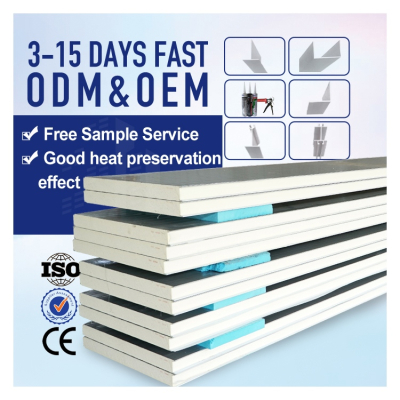
A: Panel thickness, length, and facing materials can be selected based on project requirements.