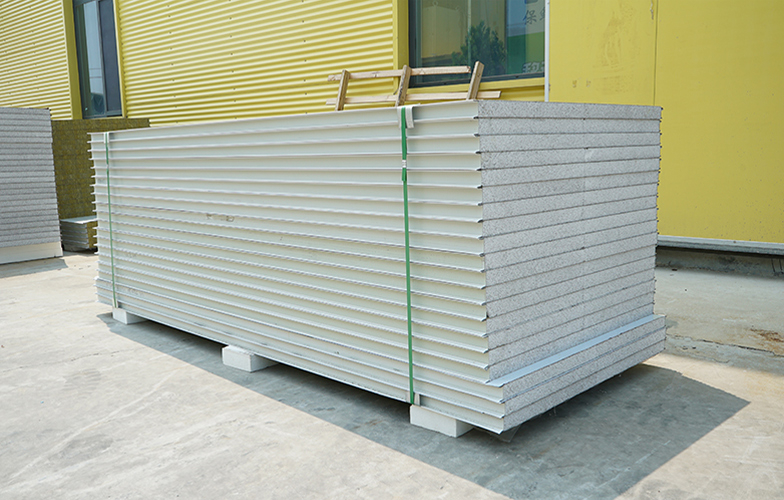
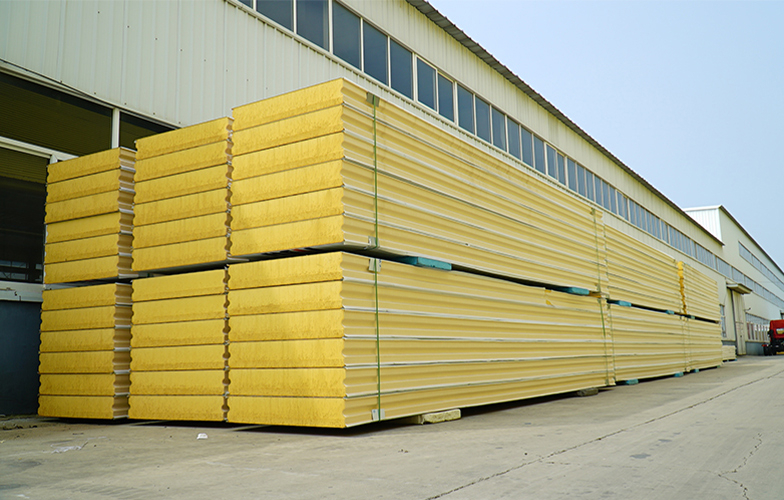
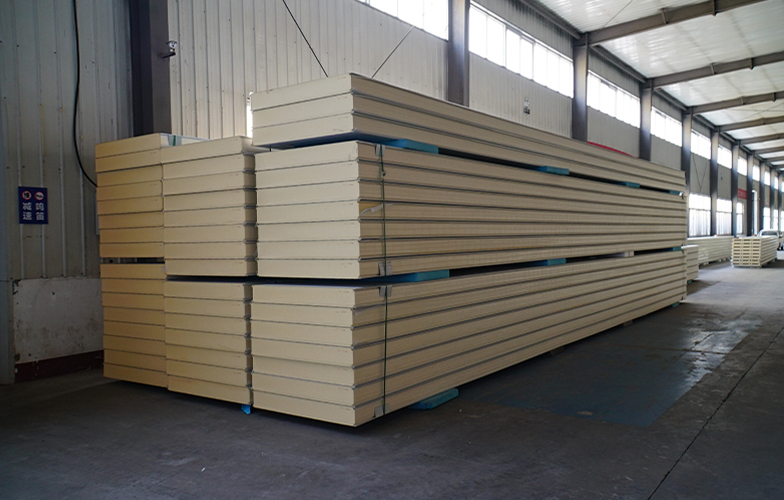
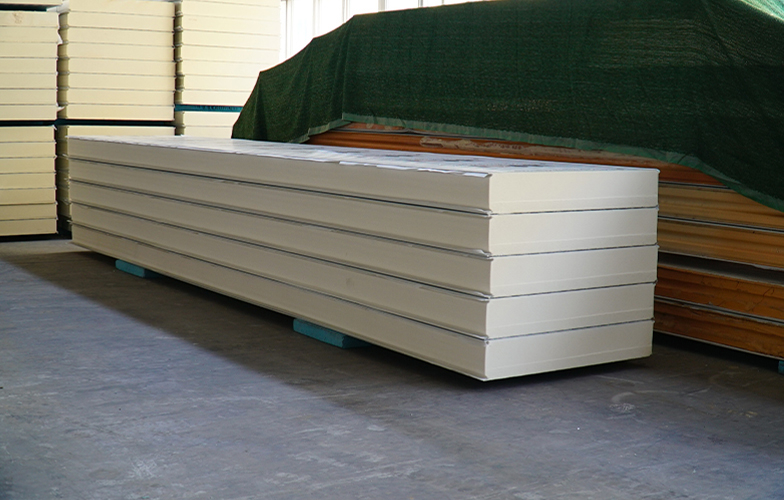
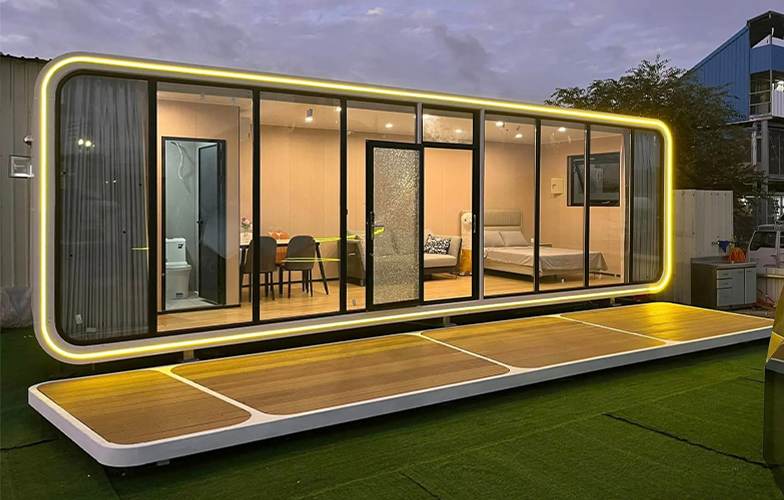
Optimized Building Envelope Performance
PU sandwich panels are designed as a complete building envelope solution, improving insulation continuity and reducing thermal bridges.
Predictable Long-Term Thermal Stability
The rigid PU core maintains insulation efficiency over time, supporting consistent building energy performance throughout the service life.
Reduced On-Site Construction Complexity
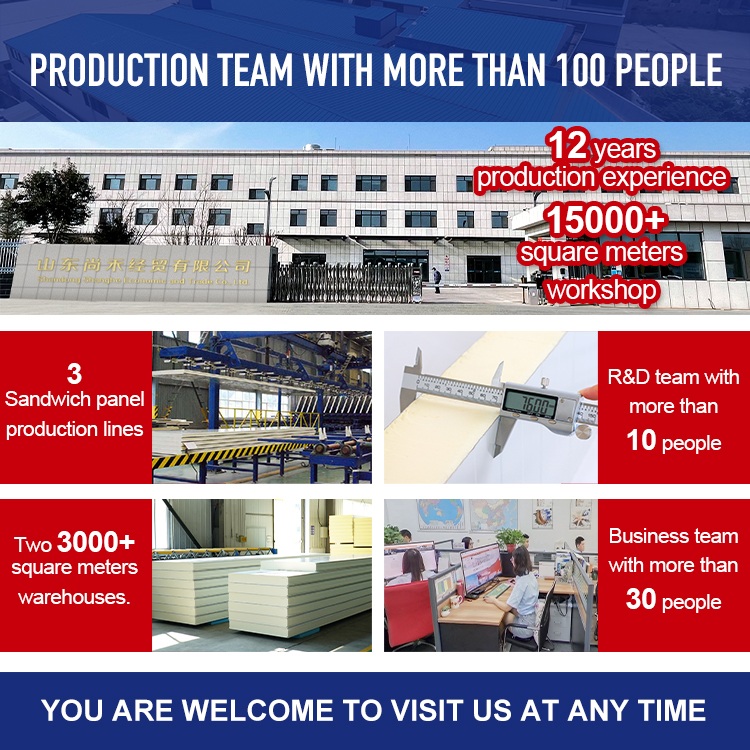
Factory-prefabricated panels minimize the need for multiple on-site construction steps, lowering coordination and installation risks.
Improved Structural Coordination
Lightweight panels integrate efficiently with steel structures, helping optimize structural design and material usage.
Controlled Quality Consistency
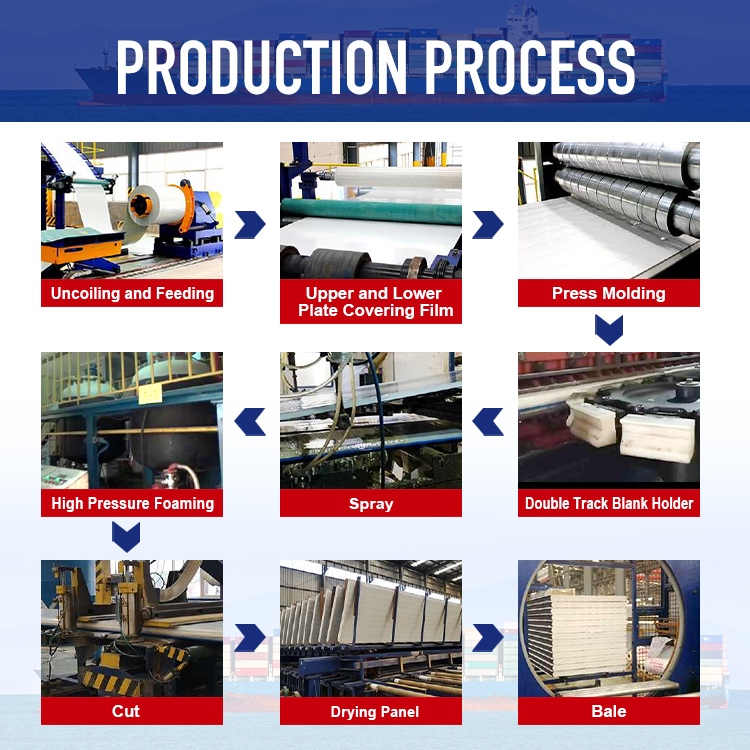
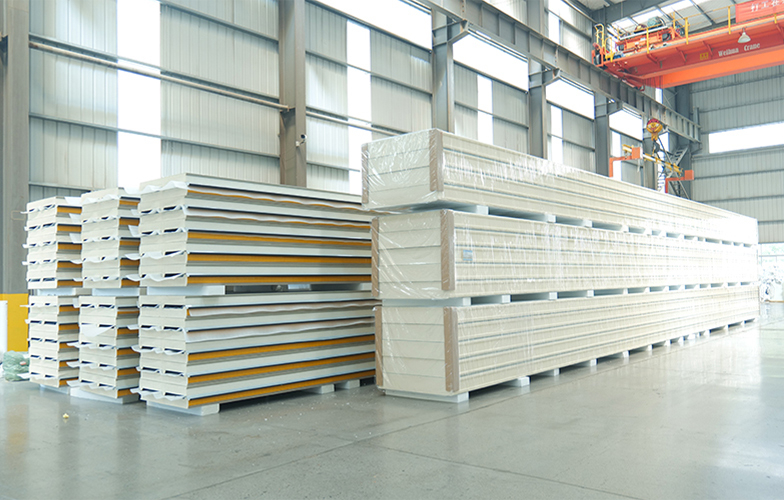
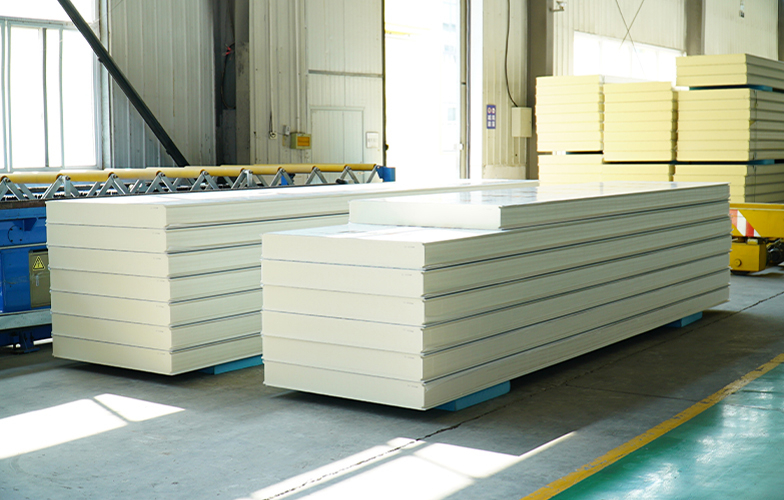
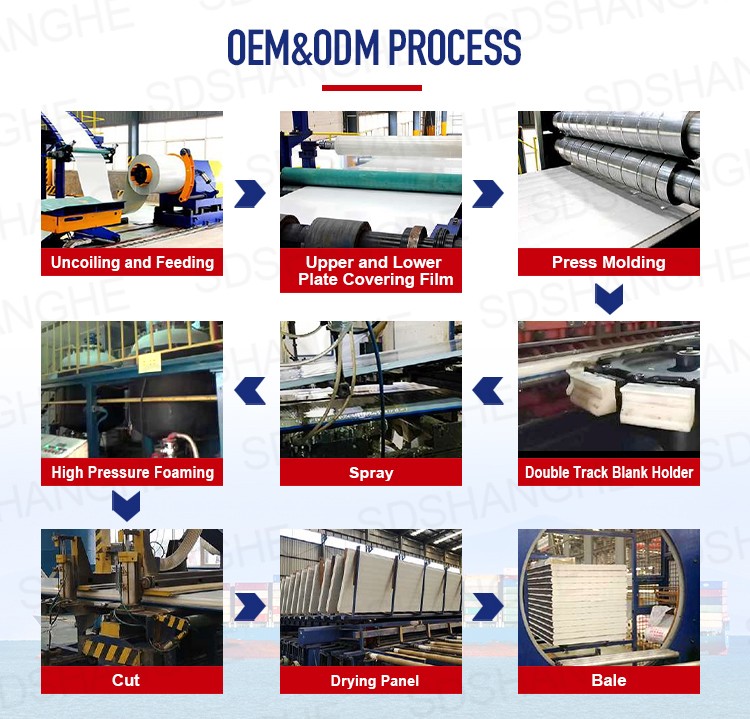
Continuous production ensures uniform core density, bonding strength, and panel dimensions across large projects.
Adaptable to Diverse Project Scales
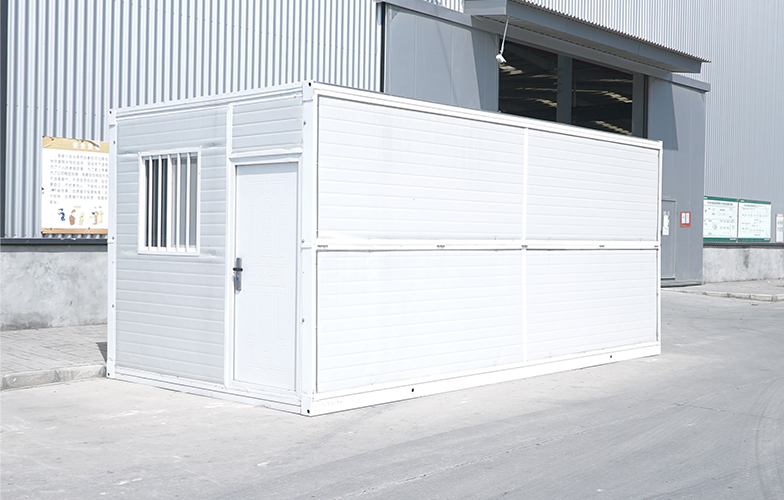
Suitable for both small modular buildings and large industrial enclosures with standardized system design.
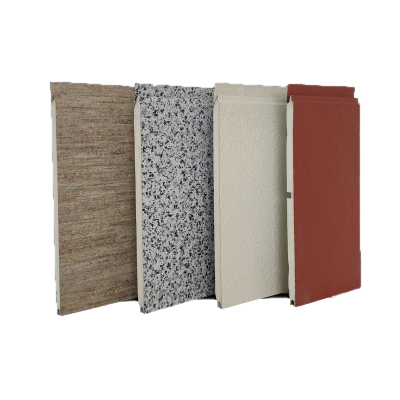
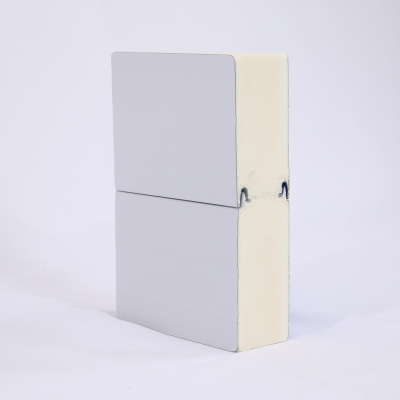
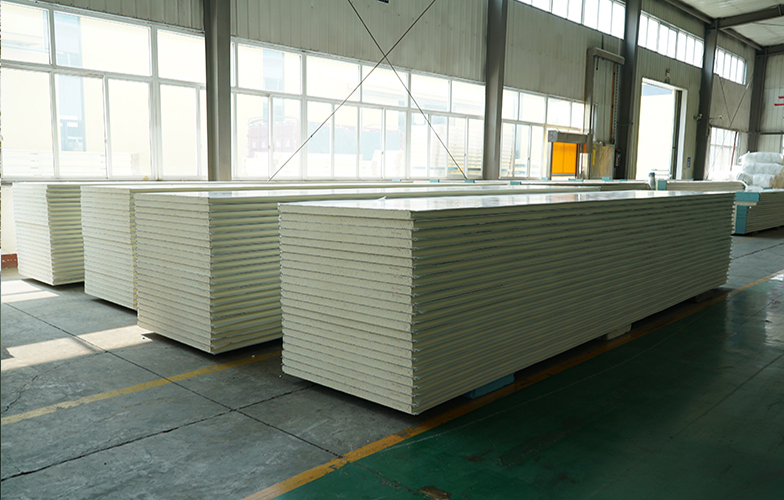
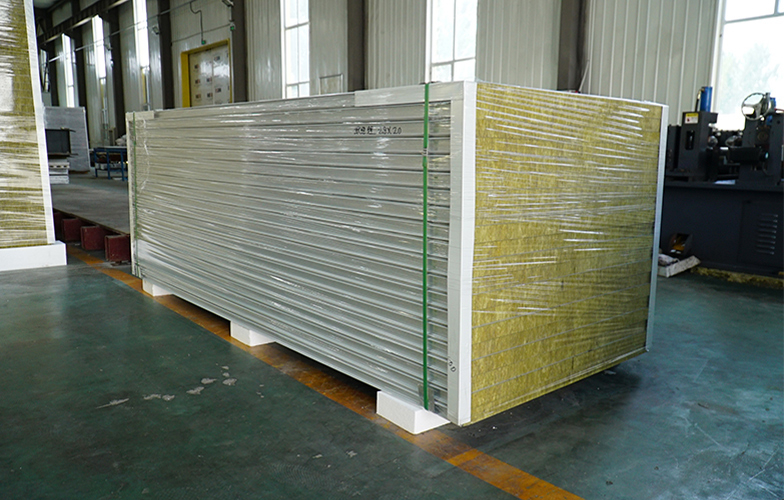
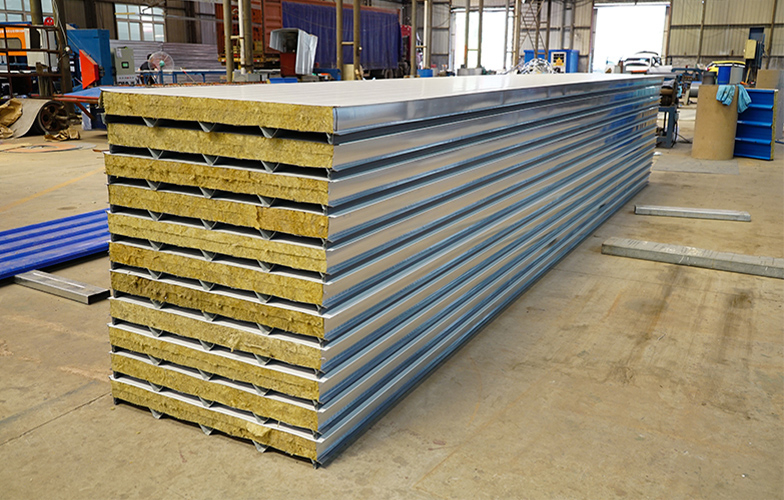
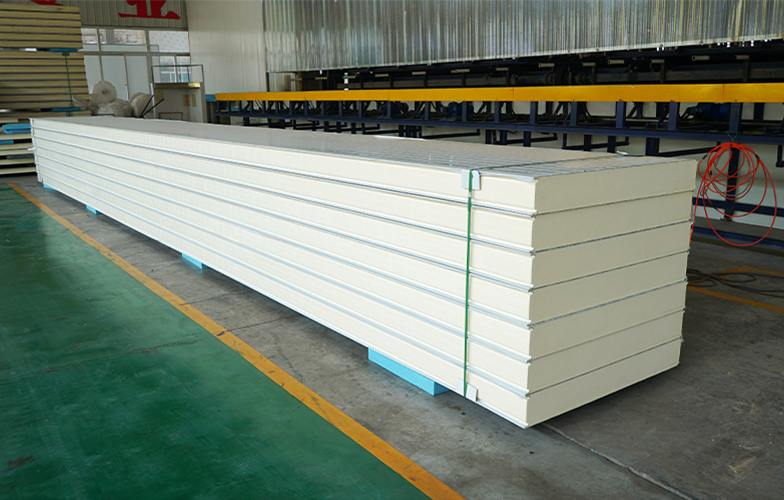
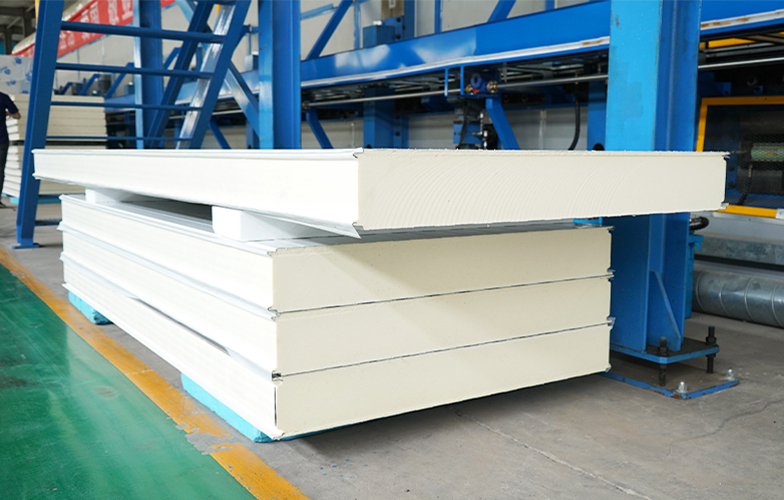
PU Sandwich Panel is a prefabricated insulated panel system developed to meet modern requirements for energy efficiency, construction efficiency, and long-term building performance. The panel consists of two metal facings permanently bonded to a rigid polyurethane (PU) insulation core, forming a stable composite structure suitable for wall, roof, and ceiling applications.
One of the key strengths of PU sandwich panels lies in their ability to function as a complete building envelope component. Traditional building envelopes often involve multiple layers installed separately on site, increasing the risk of installation errors and thermal discontinuities. PU sandwich panels integrate insulation and enclosure into a single prefabricated element, ensuring consistent insulation performance across the entire building surface.
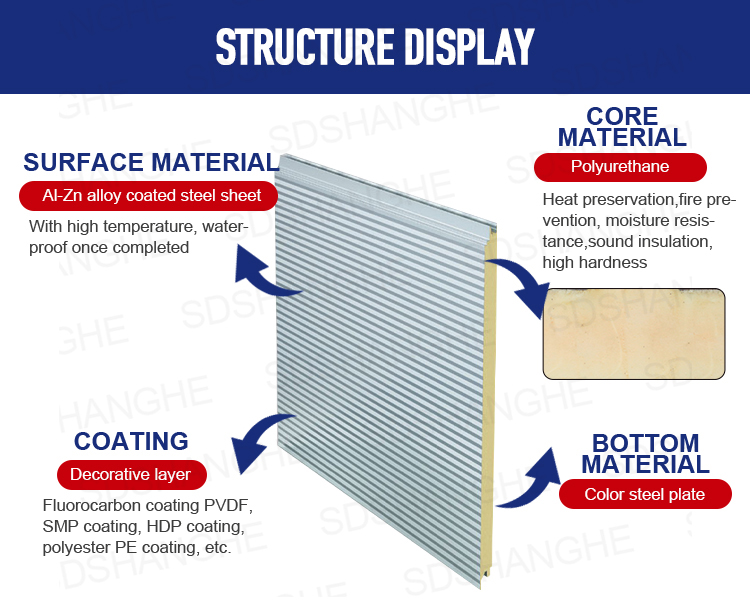
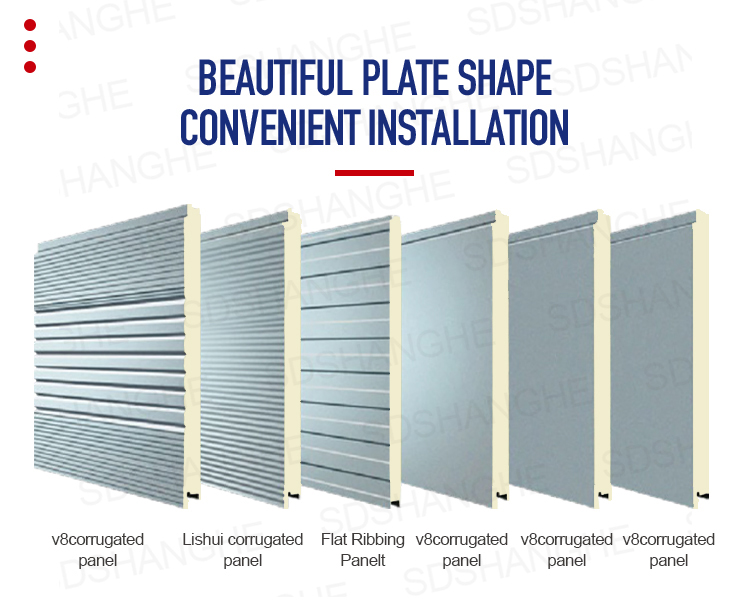
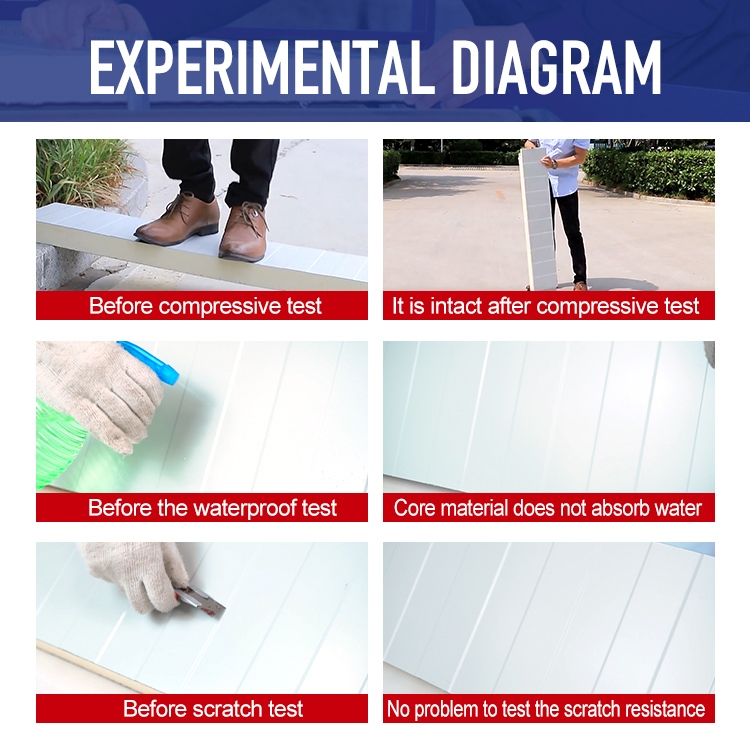
The polyurethane core adopts a closed-cell structure, which limits heat transfer and helps maintain stable indoor temperatures. This contributes to reduced heating and cooling demand, making the panels suitable for energy-conscious industrial and commercial buildings. Unlike some insulation materials that may degrade or absorb moisture over time, PU insulation maintains stable performance under long-term use.
From an engineering perspective, PU sandwich panels simplify structural coordination. Their lightweight design reduces load on foundations and primary steel structures, allowing more efficient structural planning. At the same time, the composite bonding between the metal facings and the PU core enables the panel to resist wind pressure and operational loads encountered in industrial environments.
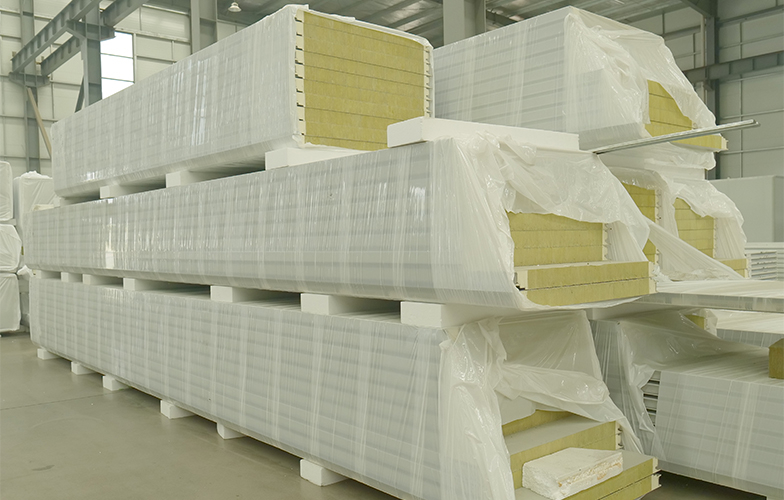
Installation efficiency is another critical advantage. PU sandwich panels are delivered to site as finished components with precise dimensions, reducing cutting, adjustment, and secondary work during installation. This improves construction scheduling predictability and helps contractors manage large-scale projects more effectively.
Durability also plays a significant role in the selection of PU sandwich panels. The metal facings protect the insulation core from external exposure, while the closed-cell PU structure resists moisture ingress. This combination helps preserve insulation efficiency and reduces maintenance requirements over the building’s lifecycle.
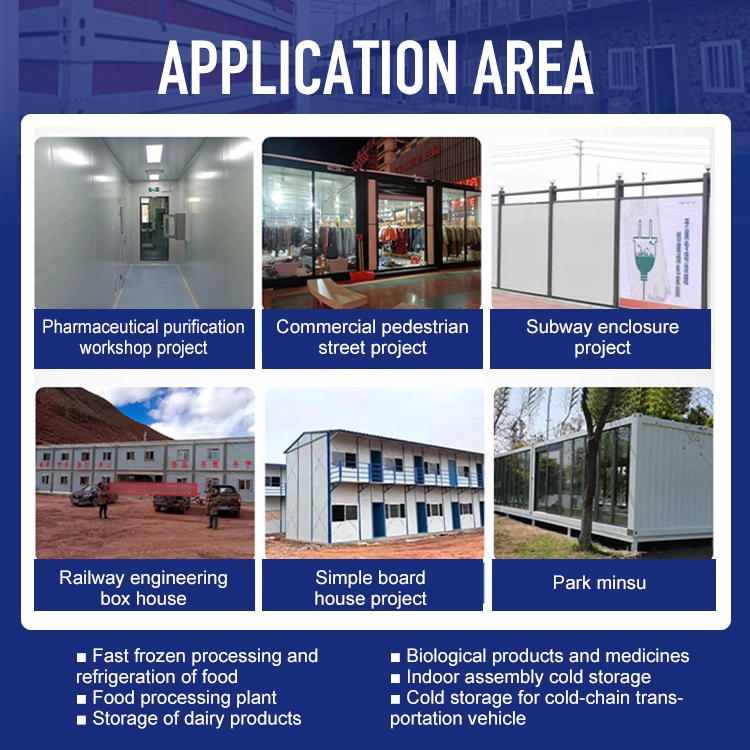
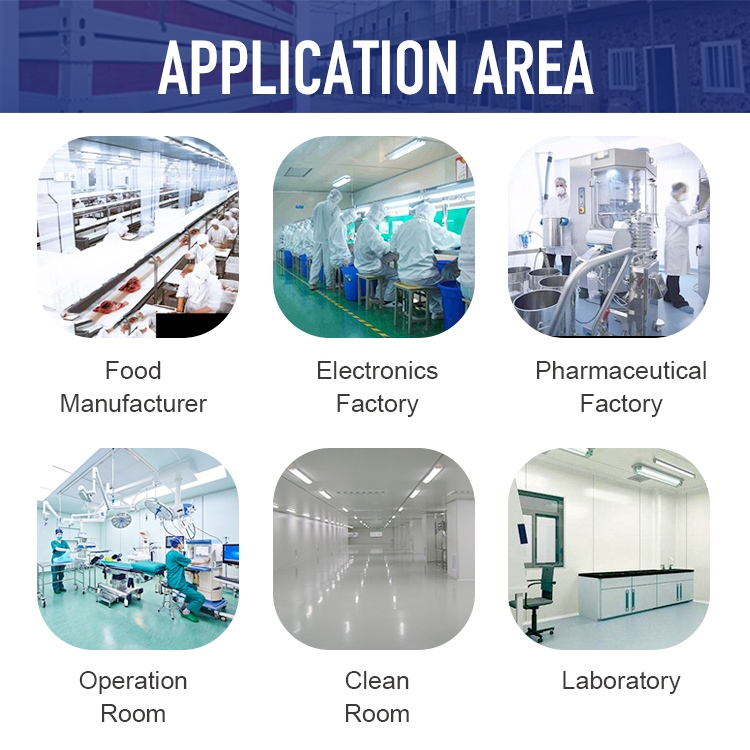
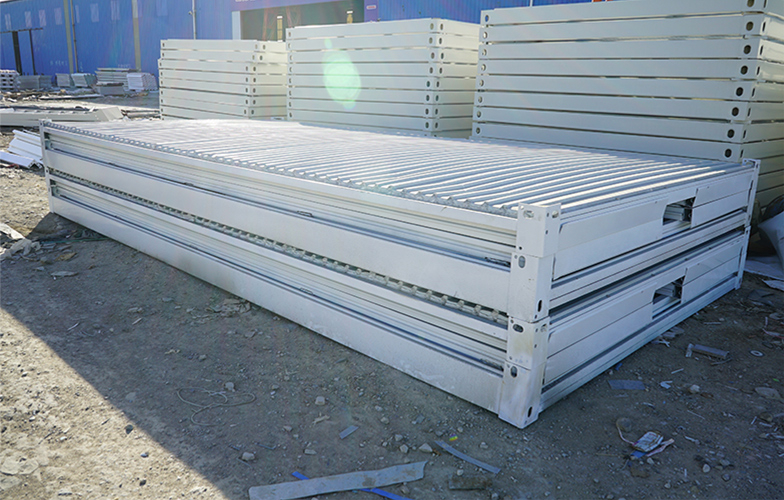
PU sandwich panels are widely applied in industrial plants, logistics facilities, prefabricated buildings, and functional structures where reliable insulation and efficient construction are required. Their system-based design makes them suitable for projects that prioritize performance consistency, construction speed, and lifecycle value.
Parameter | Specification |
Product Type | PU Sandwich Panel |
Insulation Core | Rigid Polyurethane (PU) |
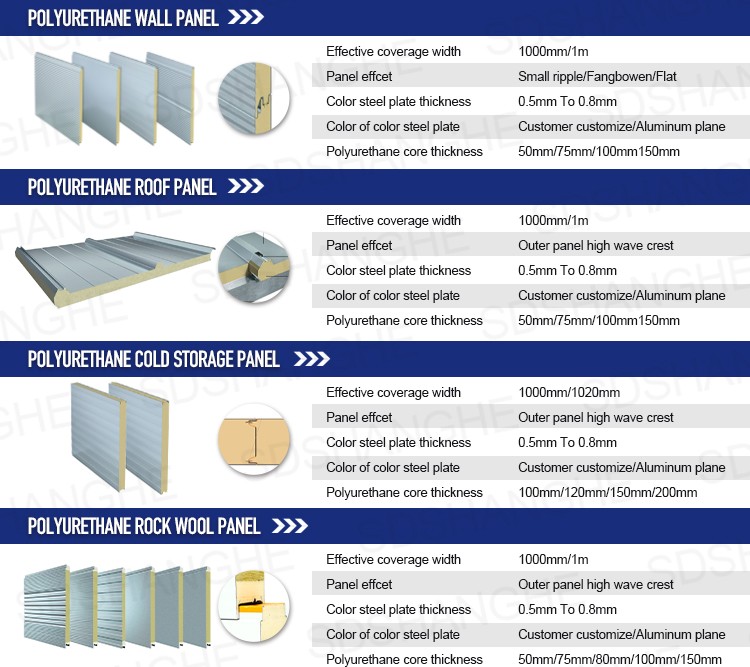
Panel Thickness Options | 50mm / 75mm / 100mm / 120mm / 150mm |
Core Density | 38–45 kg/m³ |
Thermal Conductivity | ≤ 0.024 W/(m·K) |
Facing Material Options | Color steel / Galvanized steel / Aluminum |
Facing Thickness Range | 0.3mm – 0.8mm |
Effective Panel Width | 950mm / 1000mm |
Panel Length | Customizable |
Joint System | Tongue & groove |
Applicable Installation | Wall / Roof / Ceiling |
Industrial Production Facilities
Used for external and internal enclosures requiring stable thermal performance.
Logistics & Distribution Centers
Suitable for large-area buildings with controlled indoor environments.
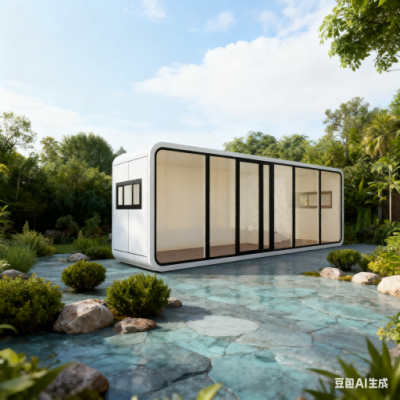
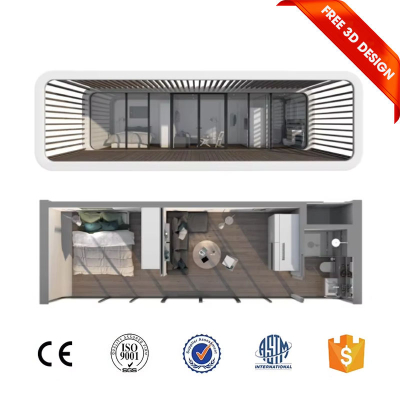
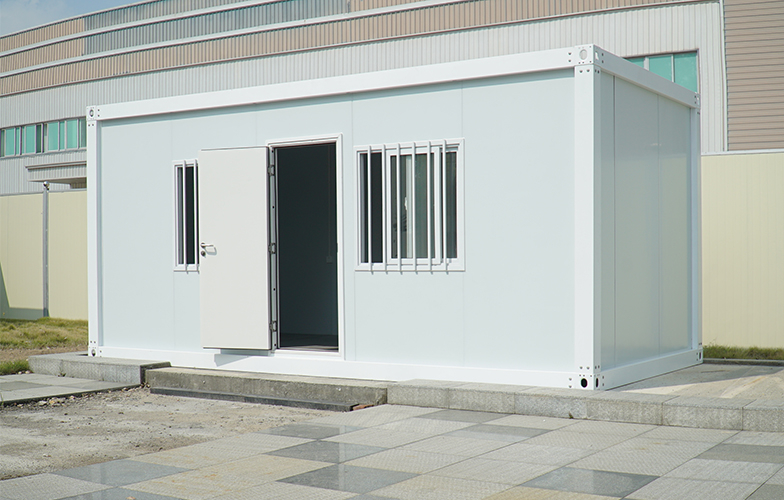
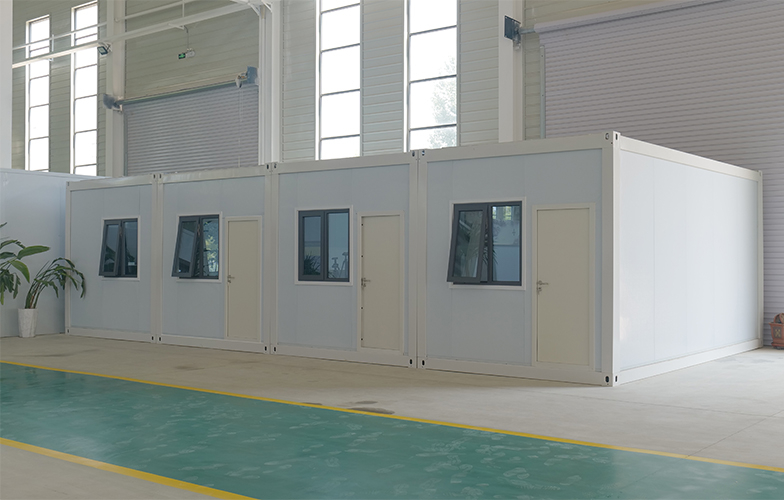
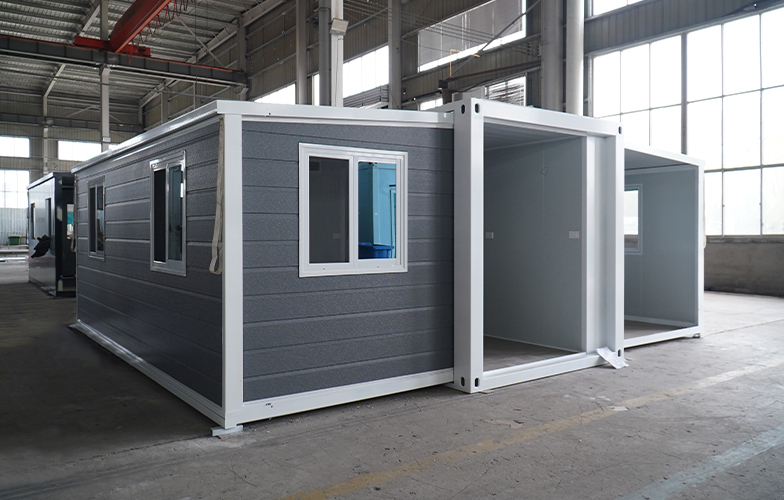
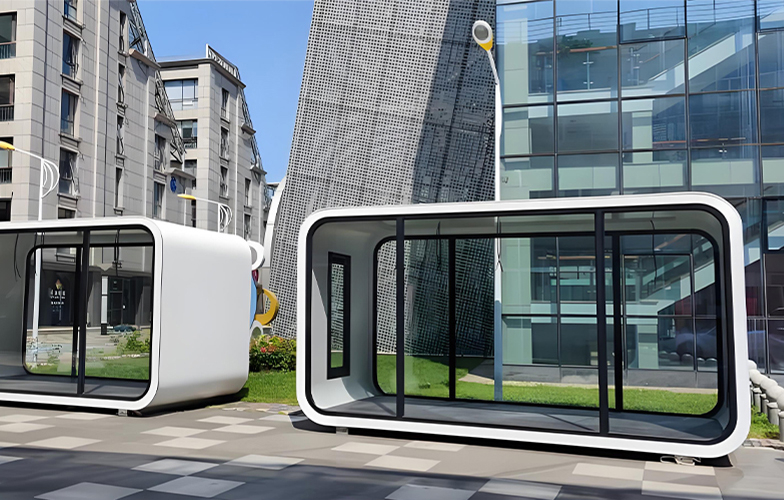
Prefabricated & Modular Buildings
Lightweight design supports efficient transportation and assembly.
Temperature-Sensitive Buildings
Helps maintain consistent indoor conditions and reduce energy loss.
Utility & Support Structures
Applied in equipment rooms, workshops, and auxiliary buildings.
Q1: What role do PU sandwich panels play in building envelope design?
A: They act as an integrated insulation and enclosure system, improving envelope continuity.
Q2: How does PU insulation contribute to long-term performance?
A: The closed-cell structure maintains thermal stability and resists moisture absorption.
Q3: Are PU sandwich panels suitable for large industrial projects?
A: Yes, their standardized design supports large-scale and repetitive installation.
Q4: Do PU sandwich panels reduce construction coordination complexity?
A: Yes, prefabricated panels minimize on-site processes and material coordination.
Q5: Can PU sandwich panels be adapted to different structural systems?
A: Yes, they integrate well with steel structures and modular building systems.